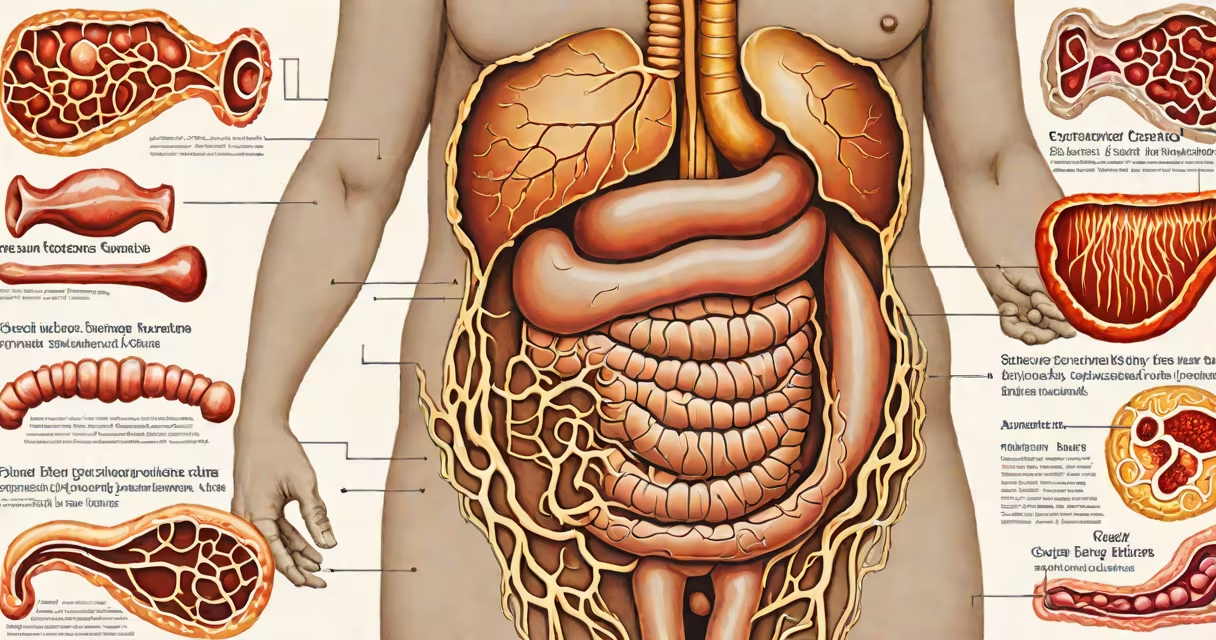
Stomach conditions that cause pain refer to medical issues affecting the gastrointestinal tract-particularly the stomach and nearby organs-that result in discomfort ranging from mild cramping to severe, persistent pain. These conditions include peptic ulcers, gastritis, gastroesophageal reflux disease (GERD), and irritable bowel syndrome (IBS), among others.
Each condition arises from distinct biological mechanisms. Peptic ulcers form when the protective mucus layer in the stomach lining erodes, allowing acid to damage tissue. Gastritis involves inflammation of the stomach lining, often due to infection with Helicobacter pylori or long-term NSAID use. GERD occurs when stomach acid repeatedly flows back into the esophagus, causing irritation and pain. IBS is a functional disorder where bowel movements are disrupted without structural damage, leading to cramping and bloating.
Pain from these conditions varies in timing, location, and intensity. Ulcer pain typically sharpens between meals or at night. Gastritis may present as dull, burning pain after eating. GERD often causes heartburn behind the breastbone, sometimes radiating upward. IBS pain tends to improve after defecation and fluctuates with stress or diet.
The stomach lining normally resists acidic digestion through a thick mucus barrier and bicarbonate secretion. When this defense fails, acid attacks the underlying tissue, triggering inflammation and pain. H. pylori bacteria disrupt this balance by colonizing the mucosa and weakening its integrity. NSAIDs like ibuprofen inhibit prostaglandins-chemicals that maintain blood flow and mucus production-leading to mucosal injury.
Chronic stress doesn't directly cause ulcers, but it can worsen symptoms by increasing acid output and reducing mucosal protection. Alcohol and smoking further impair healing. In IBS, altered gut-brain communication leads to abnormal muscle contractions and heightened pain sensitivity, even without visible damage.
A 2021 study published in Gastroenterology found that 60% of patients with unexplained chronic abdominal pain had a functional disorder like IBS, underscoring that pain isn't always tied to visible pathology. This highlights the importance of symptom patterns over imaging alone.
Conditions causing stomach pain fall into three categories: infectious, inflammatory, and functional. The table below outlines key types, their primary causes, and typical pain characteristics.
| Type | Primary Cause | Pain Pattern | Diagnostic Clue |
|---|---|---|---|
| Peptic ulcer | H. pylori infection, NSAID use | Burning pain, often 2-3 hours after eating or at night | Endoscopy shows erosion; positive urease test for H. pylori |
| Gastritis | Alcohol, stress, NSAIDs, H. pylori | Dull ache, nausea, early satiety | Biopsy shows inflamed mucosa; elevated CRP in severe cases |
| GERD | Lower esophageal sphincter weakness | Burning retrosternal pain, regurgitation | 24-hour pH monitoring confirms acid exposure |
| IBS | Altered gut motility, visceral hypersensitivity | Cramping, bloating, relief after bowel movement | Rome IV criteria: pain with altered bowel habits for ≥6 months |
Non-obvious distinction: Not all stomach pain stems from the stomach itself. Pain from gallstones or pancreatitis can mimic gastric distress. Pancreatic pain often radiates to the back and worsens after fatty meals. Gallbladder pain typically hits after large meals and localizes to the upper right quadrant.
One overlooked factor is medication-induced pain. Antihistamines like diphenhydramine can reduce saliva and gastric motility, leading to delayed emptying and bloating. A 2019 review in Pharmacotherapy noted that antihistamines with central nervous system penetration were linked to 12% higher incidence of GI side effects in older adults.
Persistent or worsening pain requires evaluation. Red flags include unintentional weight loss, vomiting blood, black tarry stools, or pain that disrupts sleep. These signs suggest serious conditions like cancer or bleeding ulcers.
Diagnosis begins with history and physical exam. Blood tests check for anemia (indicating chronic bleeding) or H. pylori antibodies. Stool tests detect H. pylori antigen. Endoscopy allows direct visualization of ulcers or inflammation and enables biopsy. For IBS, diagnosis relies on symptom criteria rather than imaging.
I once observed a patient with six-month history of epigastric pain who had normal endoscopy results. After ruling out H. pylori and autoimmune markers, the diagnosis was IBS. Treatment focused on dietary modifications and low-dose amitriptyline, which reduced pain by 70% within eight weeks.
Many assume all stomach pain is caused by acid. While acid plays a role in ulcers and GERD, it's not the sole driver. In IBS, pain arises from nerve hypersensitivity and altered gut transit, not excess acid. Overusing antacids can mask symptoms and delay proper diagnosis.
Another misconception: "I have acid reflux, so I must have GERD." Not all acid exposure causes symptoms. Some people have silent reflux-acid backs up without heartburn. A 2020 study in Alimentary Pharmacology & Therapeutics found that 35% of patients with Barrett's esophagus had no classic heartburn symptoms.
Finally, many believe spicy food directly causes ulcers. While spicy foods can irritate existing ulcers, they don't initiate them. H. pylori remains the primary cause. Avoiding spice may ease symptoms but won't heal the underlying issue.
Understanding stomach conditions that cause pain begins with recognizing that not all pain originates in the stomach. Accurate diagnosis hinges on symptom pattern, testing, and clinical context-not just location. Early intervention improves outcomes and prevents complications like bleeding, strictures, or chronic disability.