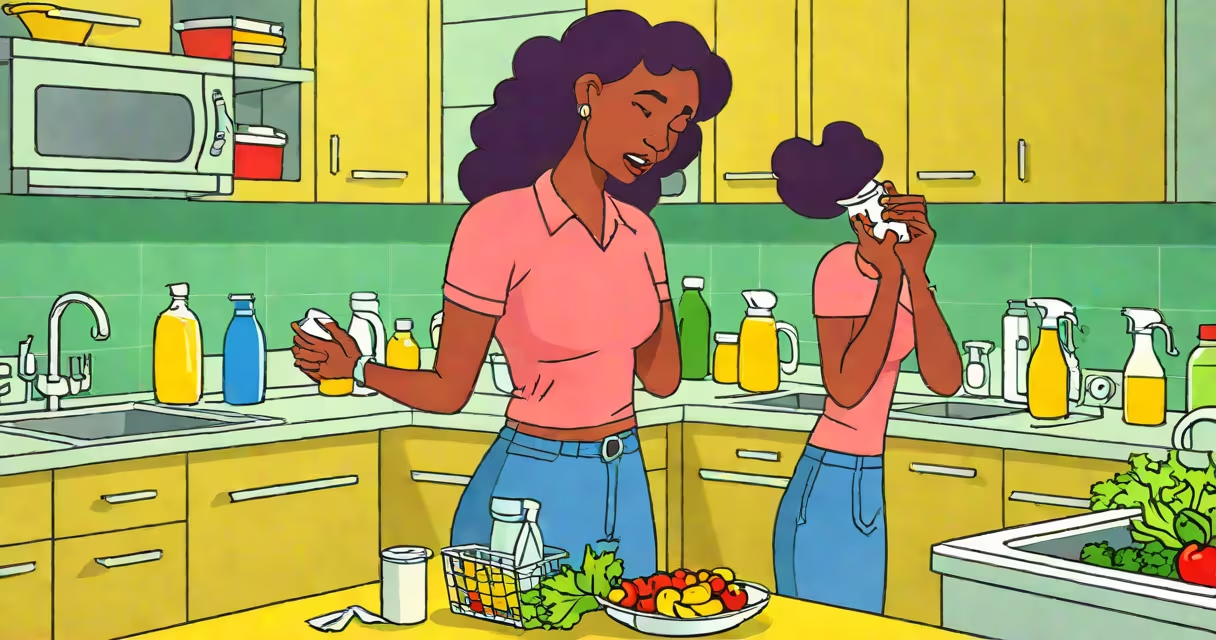
You keep getting food poisoning because harmful bacteria, viruses, parasites, or toxins enter your food through improper handling, cross-contamination, undercooking, or unsafe storage. This happens even when you think you're being careful.
Food poisoning occurs when you ingest pathogens that survive or grow in food. Common culprits include *Salmonella*, *E. coli*, *Listeria*, *Norovirus*, and *Clostridium botulinum*. These microbes thrive in environments where temperature control fails, surfaces aren't cleaned, or raw ingredients mix with ready-to-eat foods.
According to the CDC, about 48 million Americans get foodborne illness annually, and 128,000 are hospitalized. The most frequent cause is improper cooking or refrigeration, especially with meat, poultry, eggs, and seafood. Even one meal with a single contaminated ingredient can trigger repeated episodes if the source isn't identified and eliminated.
Pathogens enter food during production, processing, or preparation. For example, *Salmonella* can contaminate chicken during slaughter and survive if the bird isn't cooked to 165°F (74°C). A single bite from undercooked poultry can deliver enough bacteria to overwhelm your digestive system.
Contamination often spreads via cross-contact. Cutting raw chicken on a cutting board and then using the same knife to slice tomatoes without washing both creates a path for *Salmonella* to transfer. The CDC reports that 1 in 6 meals prepared at home involve such errors, increasing infection risk.
Some pathogens produce toxins that don't require live bacteria to cause illness. *Staphylococcus aureus* grows rapidly in room-temperature foods like potato salad or cream-filled pastries. Within four hours, it can generate heat-stable toxins that destroy gut lining cells and trigger vomiting within one to six hours of ingestion.
Understanding which microbe is responsible helps explain why symptoms recur. Here's a breakdown of common causes:
| Pathogen | Typical Source | Incubation Time | Key Risk Factor |
|---|---|---|---|
| Salmonella | Raw eggs, undercooked poultry, unpasteurized milk | 6-72 hours | Improper egg storage or incomplete cooking |
| E. coli O157:H7 | Undercooked ground beef, raw sprouts | 3-4 days | Grinding meat that includes contaminated organs |
| Listeria monocytogenes | Ready-to-eat deli meats, soft cheeses, smoked fish | 1-4 weeks | Refrigerated growth due to cold tolerance |
| Botulinum toxin | Home-canned vegetables, improperly stored garlic-in-oil | 12-36 hours | Low-acid, anaerobic conditions in sealed jars |
One key distinction often missed: *Listeria* grows slowly but can survive refrigeration. Unlike *Salmonella*, which dies above 140°F, *Listeria* thrives at 40°F. That's why deli meats left in the fridge for five days carry higher risk than fresh ones.
Another overlooked factor is asymptomatic carriers. Some people harbor *Salmonella* in their intestines without symptoms but still shed it in stool. If they handle food without washing hands, they can infect others-even if they feel fine.
Recurrent food poisoning doesn't always mean you're eating bad food. Sometimes, the issue lies in your environment or habits. For example, using the same sponge for dishes and wiping counters spreads bacteria like *E. coli* from sinks to cutting boards.
I once observed a family repeatedly ill after eating leftover stir-fry. The dish was cooked thoroughly, but the container sat out for three hours before refrigeration. By then, *Bacillus cereus* had multiplied and produced emetic toxins. Reheating didn't destroy them-only discarding the food stopped the cycle.
Other hidden triggers include shared utensils, unclean water sources, or imported ingredients. A 2021 FDA report found that 15% of imported fresh produce samples contained detectable levels of *Salmonella* or *Listeria*. If you eat imported berries or leafy greens without thorough washing, you increase exposure risk.
Stop recurring food poisoning by targeting the root causes: time, temperature, cleanliness, and separation.
Use a food thermometer. Meat should reach internal temperatures of 165°F (74°C) for poultry, 145°F (63°C) for whole cuts of beef, and 160°F (71°C) for ground meat. Without a thermometer, visual cues fail-pink meat doesn't always mean unsafe, but safe cooking does.
Wash hands with soap and water for at least 20 seconds before handling food, after touching raw meat, and after using the bathroom. The CDC says handwashing reduces foodborne illness by up to 30% in households.
Store perishables below 40°F (4°C). Leftovers must be cooled within two hours of cooking. Divide large portions into shallow containers to speed cooling. Bacteria double every 20 minutes at room temperature.
If you suspect a pattern, track meals, symptoms, and timing. Note whether illness follows restaurant meals, store-bought salads, or home-prepared dinners. This helps identify the source.
When symptoms persist despite precautions, consult a doctor. Chronic gastrointestinal issues may indicate underlying conditions like irritable bowel syndrome or autoimmune disorders. But if you've eaten the same food multiple times and gotten sick each time, the culprit is likely microbial contamination.
Recurring food poisoning isn't inevitable. It's preventable through consistent hygiene, proper storage, accurate cooking, and awareness of high-risk foods. Once you eliminate the source, the cycle ends.