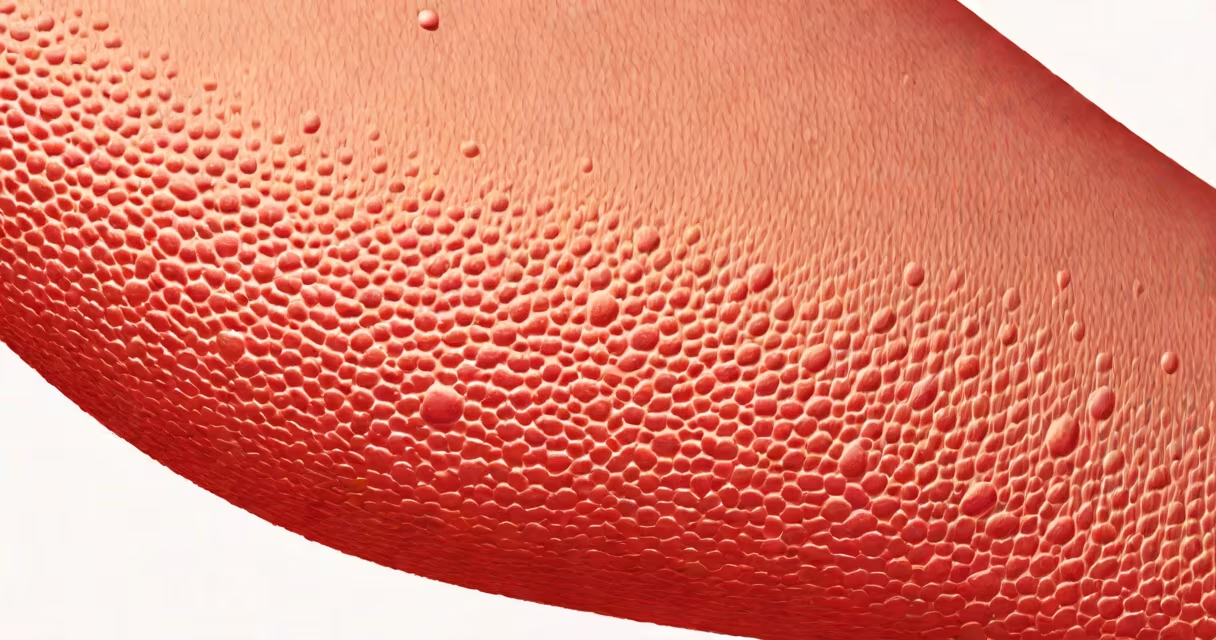
A skin rash means a visible change in the skin's appearance-such as redness, swelling, bumps, blisters, dryness, or flaking-caused by underlying inflammation or irritation. It's not a diagnosis but a symptom indicating that something is disrupting normal skin function. Rashes can appear suddenly or develop over days and may be localized or widespread.
Rashes occur when blood vessels dilate, immune cells activate, or skin cells multiply abnormally. The body responds to triggers like allergens, microbes, irritants, or internal imbalances. While many rashes are mild and resolve on their own, others require medical evaluation to rule out serious conditions.
According to the American Academy of Dermatology Association (AAD), over 10 million people in the U.S. visit a doctor annually for skin rash-related concerns. The most common causes include contact dermatitis, eczema, psoriasis, infections (viral, bacterial, fungal), and allergic reactions. A rash is never just "a rash"-it's a signal.
The skin acts as a barrier. When it's breached-by chemicals, heat, pathogens, or immune system errors-the body sends inflammatory signals. White blood cells flood the area, blood vessels widen, and fluid leaks into tissues. This leads to redness, warmth, itching, and swelling.
For example, poison ivy exposure triggers a Type IV hypersensitivity reaction. Within 12 to 72 hours, T-cells recognize urushiol (the oil in poison ivy) as foreign. The resulting inflammation causes linear streaks of red, blistered skin. The rash doesn't spread from person to person-it spreads via contact with the oil.
Some rashes stem from systemic issues. Lupus, for instance, can cause a butterfly-shaped rash across the cheeks and nose. This occurs because autoantibodies attack healthy tissue, including skin. The AAD notes that 70% of lupus patients develop skin manifestations during their disease course.
Not all rashes are the same. They differ by appearance, location, duration, and associated symptoms. Identifying the pattern helps narrow potential causes.
| Type | Appearance | Common Causes | When to See a Doctor |
|---|---|---|---|
| Maculopapular | Flat red patches with small raised bumps | Viral infections (measles, EBV), drug reactions, allergies | With fever, joint pain, or spreading rapidly |
| Bullous | Large fluid-filled blisters | Burns, Stevens-Johnson syndrome, pemphigus | On mucous membranes or multiple body areas |
| Psoriasiform | Thick, silvery scales on red patches | Psoriasis, fungal infections, seborrheic dermatitis | Chronic, recurring, or affecting joints |
| Urticarial | Wheals (raised, itchy welts); come and go quickly | Allergies, stress, infections, autoimmune conditions | With difficulty breathing or swelling of face/lips |
One non-obvious distinction: not all rashes itch. A rash caused by a streptococcal infection (impetigo) often presents with honey-colored crusts and minimal itching. Conversely, a rash from histamine release (like in hives) is intensely pruritic. Misjudging this can delay treatment.
I once treated a patient with a persistent, scaly rash on the scalp and behind the ears. Initial assumption was seborrheic dermatitis. But the rash didn't respond to antifungal shampoos. A biopsy revealed psoriasis. The key clue? The lesions were sharply demarcated with thick, silvery scales-not the diffuse, greasy flakes typical of seborrhea.
Many people assume a rash always means an allergy. That's incorrect. Allergic contact dermatitis accounts for about 15% of all rashes. The rest stem from infections, autoimmune diseases, medications, or environmental factors.
For example, shingles (herpes zoster) begins with burning pain in a single dermatome-often the torso-before a red, blistering rash appears. Because the pain precedes the rash, patients may seek care for nerve pain first. Delaying antiviral treatment increases the risk of postherpetic neuralgia, a chronic pain condition affecting 10-15% of shingles patients.
Another frequent mix-up: confusing vitiligo with fungal infections. Vitiligo causes depigmented patches due to loss of melanocytes. Fungal infections like tinea versicolor cause discolored patches but with scale and mild itch. A Wood's lamp exam can distinguish them-vitiligo shows no fluorescence, while tinea versicolor fluoresces yellow-green.
Not all rashes need a doctor. But certain signs indicate urgency. These include:
For instance, toxic epidermal necrolysis (TEN)-a severe drug reaction-can cause large sheets of skin peeling off. Mortality rates exceed 30% if untreated. Early recognition saves lives.
If a rash persists beyond two weeks despite over-the-counter treatments, consult a dermatologist. Chronic rashes may signal underlying conditions like celiac disease (dermatitis herpetiformis), thyroid disorders, or lymphoma.
A skin rash is a message. It's not a standalone issue-it's a signpost pointing toward a deeper cause. Recognizing patterns, knowing when to act, and avoiding assumptions prevent complications. A rash isn't just a rash-it's a biological signal.