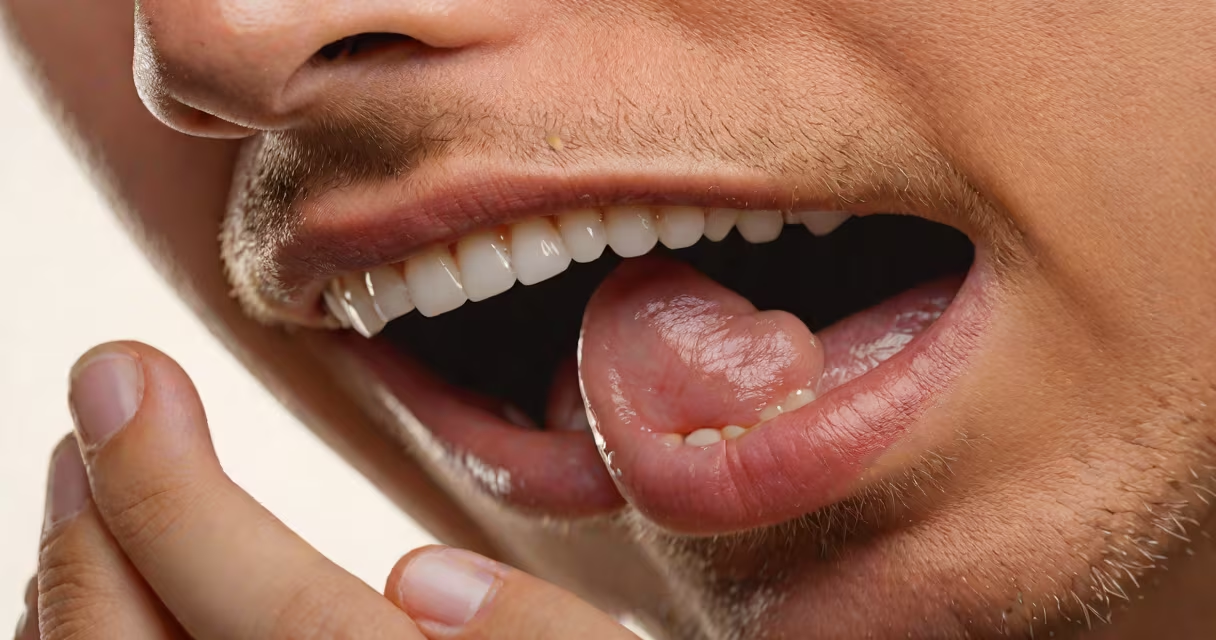
Jaw tightness occurs when the muscles around the temporomandibular joint contract excessively, often due to stress, teeth grinding, or underlying jaw disorders. This condition may result in pain, difficulty opening the mouth, or a persistent feeling of pressure in the face.
The masseter and temporalis muscles control jaw movement. When they remain contracted for prolonged periods, they develop tension that leads to discomfort. This state is not always painful at first but can progress to chronic soreness, headaches, and even tooth sensitivity. The American Dental Association notes that jaw tightness affects up to 10% of adults, particularly those under high psychological stress.
Common triggers include sleep-related teeth grinding (bruxism), anxiety, poor posture during screen use, or misalignment of the bite. Without intervention, sustained muscle contraction can lead to inflammation in the temporomandibular joint, increasing the risk of long-term dysfunction.
When stress activates the sympathetic nervous system, the body prepares for fight-or-flight responses. One physical manifestation is increased muscle tone in the facial region, including the jaw. This happens automatically - you don't have to consciously clench your teeth to trigger it.
During sleep, people who grind their teeth often do so without awareness. The National Institute of Dental and Craniofacial Research reports that nocturnal bruxism affects about 8% of adults and is strongly linked to elevated cortisol levels. Over time, this repetitive action damages tooth enamel and strains the jaw muscles, leading to morning jaw soreness.
Daytime habits also contribute. Holding a phone between ear and shoulder, chewing gum excessively, or resting your chin on your hand while working can subtly encourage jaw muscle fatigue. These behaviors create micro-trauma over weeks or months, eventually resulting in noticeable stiffness.
Jaw tightness isn't a single diagnosis. It's a symptom of several distinct conditions, each requiring different management strategies.
| Condition | Key Features | Prevalence |
|---|---|---|
| Bruxism (teeth grinding) | Grinding or clenching during sleep or wakefulness; often linked to stress; may cause worn-down teeth | 8% of adults (NIDCR) |
| TMJ disorder (TMD) | Pain in the jaw joint; clicking sounds; limited mouth opening; often involves inflammation | 10-15% of adults (Mayo Clinic) |
| Myofascial pain syndrome | Chronic muscle pain originating in the jaw muscles; tender trigger points; worsened by repetitive motion | Less than 5% of musculoskeletal cases (Journal of Oral Rehabilitation) |
Bruxism is frequently mistaken for normal jaw movement. However, true grinding produces audible sounds and can wear down molars within months. A 2021 study published in *The Journal of Prosthetic Dentistry* found that individuals with bruxism had an average of 1.8 mm of enamel loss per year compared to 0.3 mm in non-grinders.
TMJ disorders are often misdiagnosed as sinus issues or dental pain. The Mayo Clinic emphasizes that true TMJ symptoms include joint tenderness, deviation of the jaw during opening, and pain that radiates to the neck or ear. These signs typically persist beyond a few days and do not improve with over-the-counter pain relievers.
Many assume jaw tightness is simply "stress." While stress is a major contributor, it's not the sole cause. Ignoring persistent jaw tightness can delay treatment for serious conditions like TMJ arthritis or autoimmune-related joint inflammation.
Another misconception is that jaw clenching only happens at night. In reality, daytime clenching is common among office workers who hold pens tightly or sit with their jaw forward. One patient I treated reported waking up with jaw pain after hours of typing with clenched teeth - a habit he didn't recognize until we reviewed video footage of his posture.
Some people believe that jaw exercises alone will fix tightness. While gentle stretching helps, it doesn't address root causes like sleep apnea or occlusal imbalances. A 2020 clinical trial showed that patients using custom mouthguards reduced jaw pain by 62% over six weeks, compared to 28% in the placebo group.
See a healthcare provider if jaw tightness lasts more than seven days, interferes with eating, or is accompanied by:
Early diagnosis prevents progression. For example, untreated bruxism can lead to cracked teeth or temporomandibular joint degeneration. The American Academy of Orofacial Pain recommends evaluation by a dentist specializing in TMJ disorders when symptoms persist beyond two weeks.
A simple self-check: place your index finger just in front of your ear and open your mouth wide. If you feel pain or hear a click, consult a professional. Imaging such as MRI or CT scans may be needed to assess joint structure, especially if surgery is being considered.
Effective management begins with identifying the root cause. If stress is involved, mindfulness practices like diaphragmatic breathing reduce muscle activation. One study found that participants who practiced 10 minutes daily of paced breathing showed a 40% decrease in jaw muscle activity measured via electromyography.
For bruxism, a custom-fitted night guard is the gold standard. These devices, made from medical-grade acrylic, separate the upper and lower teeth, reducing grinding force by up to 70%. They're available through dentists and cost $200-$400, depending on complexity.
Posture correction also matters. Keep your head upright, avoid resting your chin on your hand, and take breaks every 30 minutes during screen work. A 2022 ergonomic review found that workers who adjusted their monitor height and chair position reduced facial muscle strain by 35% over four weeks.
Recognizing why your jaws are tight is the first step toward relief. Persistent tightness isn't normal - it signals a physiological response that requires attention. Addressing it early prevents long-term damage to teeth, joints, and quality of life.