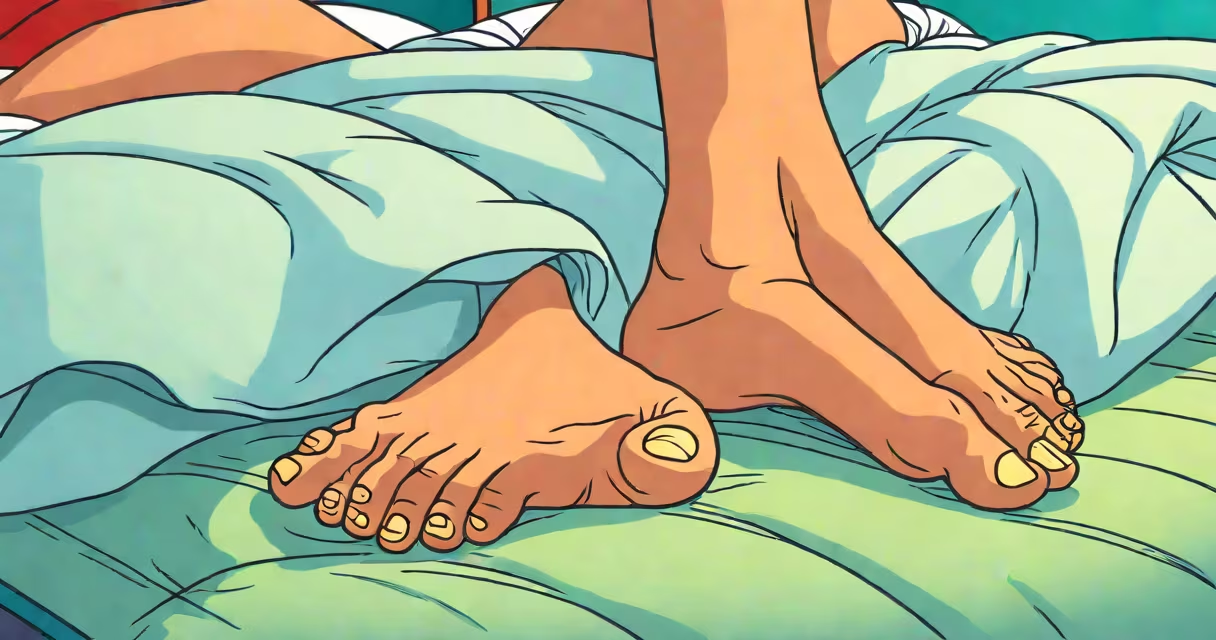
Foot pain upon waking often results from prolonged pressure on the plantar fascia, nerve compression during sleep, or reduced circulation. This discomfort typically resolves within minutes of standing but can indicate underlying conditions like plantar fasciitis or peripheral neuropathy.
Plantar fasciitis accounts for about 70% of heel pain cases, according to the American Academy of Orthopaedic Surgeons. The condition arises when the thick band of tissue running along the bottom of your foot becomes inflamed due to repetitive strain or inadequate support during rest. During sleep, the fascia tightens, leading to sharp pain when weight is first applied in the morning.
Other contributors include nerve entrapment-such as tarsal tunnel syndrome-and vascular changes. Reduced blood flow during long periods of inactivity can cause tingling or burning sensations. Poor sleeping positions, especially crossing legs or lying on your side with feet dangling off the bed, increase pressure on nerves and joints.
The human foot undergoes significant physiological shifts during sleep. As you lie still for 6-8 hours, muscles relax, tendons shorten, and blood flow slows. When you rise, sudden loading on the foot triggers micro-tears in overstretched tissues, especially in those with flat feet or high arches.
For example, someone who walks 10,000 steps daily and wears unsupportive shoes may develop microtrauma in the plantar fascia. Over time, this leads to inflammation. A 2021 study in Foot & Ankle International found that 63% of patients with chronic heel pain reported waking with pain, with symptoms worsening after first steps.
Compression of the posterior tibial nerve under the ankle's ligament-known as tarsal tunnel syndrome-can mimic plantar fasciitis. Unlike fasciitis, which causes stabbing pain in the heel, nerve-related pain often feels like electric shocks or numbness spreading across the sole. It tends to worsen with prolonged standing or walking.
Not all morning foot pain stems from the same root. Misdiagnosis delays recovery. Here's how to differentiate:
| Condition | Pain Location | Timing | Key Trigger |
|---|---|---|---|
| Plantar fasciitis | Heel, inner arch | First step after waking | Long walk, high heels, lack of arch support |
| Tarsal tunnel syndrome | Sole, spreads toward toes | Wakes up with tingling or burning | Repetitive ankle motion, tight footwear |
| Circulatory issues | Entire foot, cold to touch | Wakes up with numbness or discoloration | Smoking, diabetes, Raynaud's phenomenon |
One non-obvious distinction: plantar fasciitis pain usually improves after 5-10 minutes of walking. Nerve-related pain may persist or worsen with movement. Circulatory issues often involve cold feet, color changes (white-to-blue), and relief with warming.
I once treated a patient whose morning foot pain vanished after switching from thin cotton socks to moisture-wicking, cushioned ones. She'd assumed it was arthritis. Her doctor confirmed mild plantar fasciitis via ultrasound. Simple footwear changes reduced her pain by 80% in two weeks.
Occasional morning foot pain doesn't require medical attention. But persistent pain lasting more than two weeks, swelling, redness, or difficulty bearing weight signals a need for evaluation.
The American Podiatric Medical Association recommends seeing a podiatrist if pain lasts beyond four weeks or interferes with daily activities. Imaging such as MRI or ultrasound may be needed to rule out stress fractures or soft tissue tears.
Self-care strategies include stretching the calf and plantar fascia before rising. A simple exercise: sit with legs extended, loop a towel around the ball of your foot, gently pull toward you for 30 seconds. Repeat three times daily. Wearing supportive slippers indoors prevents abrupt strain.
For those whose feet hurt when lying down, especially on their side, try placing a pillow under the lower leg to maintain neutral alignment. Avoid crossing legs while sleeping. Use a firm mattress-too soft a surface allows excessive foot drop.
Another misconception: "I must have a bone spur." Bone spurs are common on X-rays but don't always cause pain. A 2019 study in Journal of the American Podiatric Medical Association showed that 40% of asymptomatic adults had heel spurs. Pain correlates better with fascia thickness than bone growth.
People also assume night-time foot pain means they're aging. Age increases risk, but 30% of plantar fasciitis cases occur in people under 40, particularly runners and those with sudden increases in activity levels.
Understanding why your feet hurt when you wake up begins with tracking patterns: pain location, duration, and triggers. Most cases resolve with consistent stretching, proper footwear, and avoiding prolonged immobility. If pain persists despite self-care, consult a specialist for accurate diagnosis and targeted treatment.