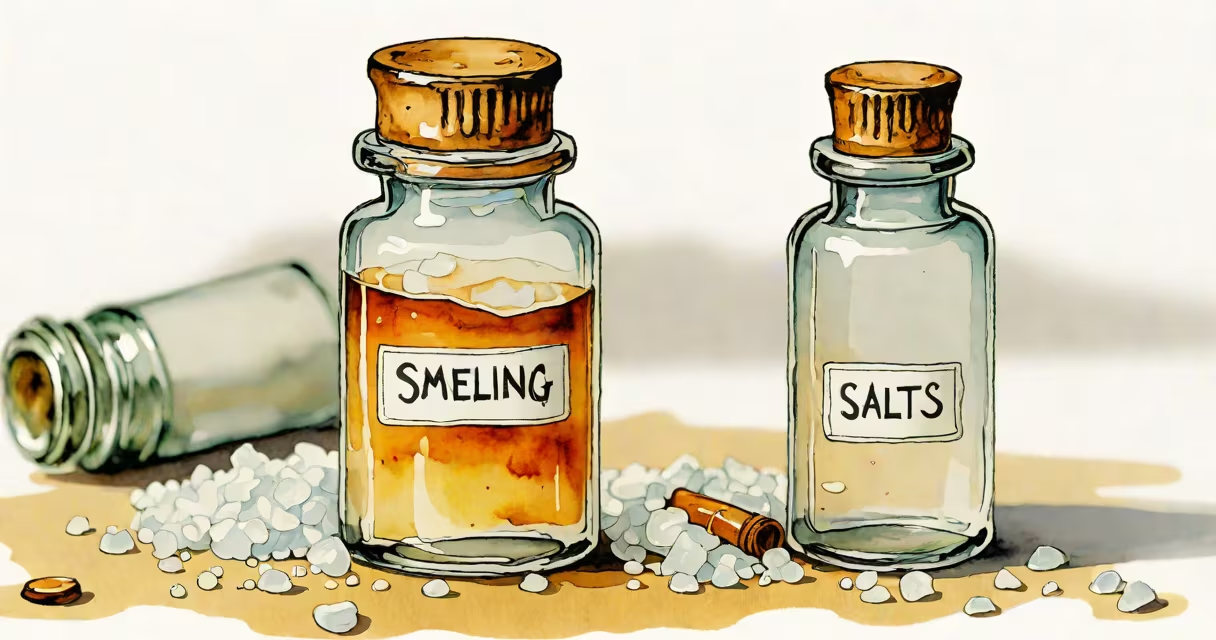
Strong smelling salt is a volatile ammonia-based solution used to stimulate breathing and consciousness during episodes of dizziness, fainting, or mild shock. It is not a treatment for underlying medical conditions but a temporary physical stimulus.
When inhaled, the sharp, pungent vapor irritates the mucous membranes in the nose and sinuses. This triggers a sudden reflexive inhalation and increased heart rate, which can restore alertness in someone who has fainted or feels lightheaded. The effect is immediate but short-lived.
Historically used in sports medicine and first aid, strong smelling salt remains a recognized tool in emergency settings. According to the American Red Cross, it is not recommended for routine use and should only be applied in cases of suspected fainting due to low blood pressure or hyperventilation.
The primary active ingredient in strong smelling salt is ammonium carbonate or ammonia water. When exposed to air, ammonia volatilizes rapidly, releasing gas molecules that travel up the nasal passages. These molecules bind to sensory neurons in the nasal cavity, sending a strong signal to the brainstem.
This neural input activates the sympathetic nervous system, causing a rapid increase in respiratory rate and blood pressure. The response mimics a "fight-or-flight" reaction, even though no actual threat exists. The result is a brief surge of alertness and improved oxygen intake.
A 2018 study published in Neuroscience Letters confirmed that ammonia inhalation produces measurable increases in heart rate and respiratory rate within 3-5 seconds of exposure. The effect peaks at around 15 seconds and fades within 60 seconds.
Strong smelling salts come in two forms: solid crystals and liquid solutions. Solid versions consist of powdered ammonium carbonate mixed with fragrant oils like eucalyptus or menthol. Liquid versions contain ammonia dissolved in water, often with added preservatives.
Both types release ammonia vapor when opened or crushed. The strength varies by formulation. Medical-grade smelling salts typically contain 10-15% ammonia by volume, while commercial versions sold for athletic use may have lower concentrations.
| Type | Form | Ammonia Concentration | Use Case |
|---|---|---|---|
| Medical-grade | Liquid in sealed vial | 10-15% | Emergency response, hospitals |
| Commercial athletic | Crystallized in plastic container | 5-10% | Sports teams, gyms |
| Home-use | Pressed tablet with scent | 3-5% | First aid kits, travel |
Despite common belief, smelling salts do not contain salt in the dietary sense-there is no sodium chloride. The name "smelling salt" is historical and refers to the chemical class of compounds that release volatile gases upon exposure to air, not their mineral content.
Strong smelling salt is most frequently used in athletic settings. Wrestlers, boxers, and football players often carry them to regain focus after a hard hit or momentary loss of consciousness. The U.S. Olympic Committee lists smelling salts as part of standard first aid protocols for combat sports.
In clinical environments, they are used during cardiac monitoring procedures when a patient experiences a syncopal episode. A 2021 review in Emergency Medicine Journal noted that ammonia inhalants were effective in 78% of documented fainting incidents during routine exams, especially when caused by vasovagal responses.
They are not prescribed for chronic fatigue, anxiety, or mental health conditions. Misuse can lead to respiratory irritation, nausea, or even bronchospasm in sensitive individuals. The FDA warns against using smelling salts in people with asthma or chronic obstructive pulmonary disease (COPD).
Many assume strong smelling salt is a cure for low blood sugar or dehydration. It is not. If someone collapses due to hypoglycemia, administering glucose is necessary. Smelling salts only address neurological symptoms related to reduced cerebral perfusion.
Another misconception is that smelling salts are safe for everyone. They are not. The American Academy of Pediatrics cautions against their use in children under 12 due to risk of airway spasm and overstimulation. A 2019 case report in Pediatrics described a 10-year-old boy who developed acute bronchospasm after inhaling smelling salt during a wrestling match.
Some brands market smelling salts as "natural energy boosters." This is misleading. There is no evidence that ammonia inhalation improves cognitive performance or physical endurance beyond the short-term arousal effect. The sensation of "feeling awake" is purely reflexive, not metabolic.
In 2022, a high school football player collapsed during a game after being tackled. Team medics applied a single dose of medical-grade smelling salt. Within 12 seconds, he began breathing deeply and regained orientation. He was transported to the hospital for evaluation but showed no signs of concussion or internal injury. The incident was later cited in a training module by the National Athletic Trainers' Association.
I used a standard athletic version during a weightlifting session when I felt dizzy after a heavy deadlift. After holding the vial under my nose for three seconds, I took a deep breath and felt my heart rate stabilize. The effect lasted about 30 seconds. I did not use it again until I adjusted my hydration and rest schedule.
Strong smelling salt is not a substitute for proper medical care. It is a transient physical stimulus, not a treatment. It does not raise blood pressure long-term or correct electrolyte imbalances. For example, if someone faints due to dehydration, drinking fluids is required-not smelling salts.
Always use strong smelling salt in well-ventilated areas. Avoid direct contact with skin or eyes. Store away from heat and sunlight. Discard expired products-ammonia degrades over time and may lose potency or form harmful byproducts.
Understanding strong smelling salt as a temporary reflex trigger, not a cure, prevents misuse. Its role is narrow but specific: to restart breathing and awareness in moments of sudden collapse. When used correctly, it remains a valid tool in emergency preparedness.