A stomach bug remains contagious for up to 48 hours after vomiting and diarrhea stop. The virus spreads through contact with contaminated surfaces, food, or direct person-to-person exposure during this time.
Stomach bugs, medically known as acute gastroenteritis, are typically caused by viruses such as norovirus or rotavirus. These pathogens attack the lining of the small intestine, leading to inflammation, nausea, vomiting, and watery diarrhea. The illness usually lasts 12 to 72 hours in adults, but the infectious period extends beyond symptom resolution.
The Centers for Disease Control and Prevention (CDC) states that norovirus particles can survive on surfaces for days and remain infectious even after visible contamination is gone. This makes proper cleaning and hand hygiene critical during and after illness. The virus sheds in stool and vomit for at least three days after recovery, meaning someone who feels better can still transmit the infection.
Transmission occurs primarily through fecal-oral route. A single gram of infected stool contains billions of viral particles. Touching a doorknob, sink handle, or shared utensil contaminated with these particles and then touching your mouth introduces the virus into your digestive system.
Norovirus is highly resilient. It withstands temperatures up to 60°C (140°F), resists common disinfectants like alcohol-based sanitizers, and survives freezing. This explains why outbreaks frequently occur in closed environments-schools, cruise ships, nursing homes-where people share spaces and surfaces.
One study published in Emerging Infectious Diseases found that norovirus shed in feces persisted for up to seven days after symptoms ended. This prolonged shedding increases risk in households and childcare centers where hygiene lapses are common.
While most stomach bugs are viral, bacterial causes like Salmonella, E. coli, and Campylobacter also trigger similar symptoms. Viral infections dominate in community settings due to their high transmissibility and short incubation periods.
| Type | Incubation Period | Contagious Duration | Common Source |
|---|---|---|---|
| Norovirus | 12-48 hours | Up to 48 hours after symptoms end | Contaminated food, surfaces, close contact |
| Rotavirus | 1-3 days | Up to 10 days after symptoms resolve | Infected children, poor handwashing |
| Salmonella | 6-72 hours | Up to 1 week after symptoms cease | Undercooked eggs, poultry, raw produce |
Rotavirus is especially dangerous in infants and young children. The CDC reports that it accounts for nearly 50% of hospitalizations for severe diarrhea in children under five. Its longer shedding period requires isolation measures in daycare centers.
Bacterial infections often require antibiotics. Unlike viral cases, they may persist longer if untreated. However, antibiotics don't reduce transmission risk unless the specific pathogen is sensitive to them.
You are generally no longer contagious 48 hours after your last episode of vomiting or diarrhea. This window aligns with guidelines from the UK's National Health Service (NHS), which advises staying home until at least two days after symptoms resolve.
Even if you feel fine, the virus can still be present in stool. A 2021 study in Journal of Clinical Microbiology detected norovirus RNA in 30% of patients tested three days after symptom onset. This shows that recovery doesn't equal clearance.
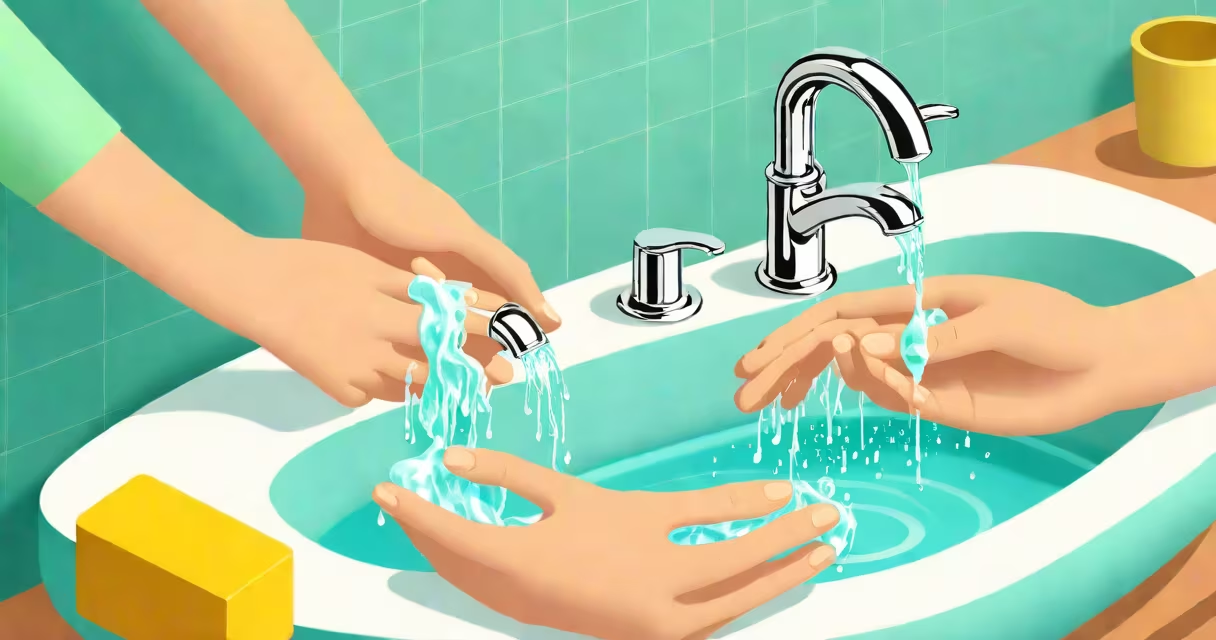
Proper handwashing with soap and running water for at least 20 seconds removes 99% of surface viruses. Alcohol-based gels fail against norovirus because the virus lacks a lipid envelope. Using bleach-based cleaners (sodium hypochlorite) on surfaces reduces environmental contamination by over 90%.
Many assume that once nausea stops, the threat ends. This is false. The CDC confirms that individuals can shed infectious particles for days after feeling well. A household case study showed that a mother returned to work after 24 hours of symptom-free status, only to infect her coworkers within three days.
Another error is relying solely on hand sanitizer. While useful for bacteria, it does not reliably kill norovirus. A 2019 trial comparing hand hygiene methods found that soap and water reduced norovirus transmission by 85%, while alcohol gel achieved only 30% reduction.
Some believe cooking food eliminates risk. But norovirus survives temperatures below 60°C. Reheating food to 70°C for at least one minute is required to inactivate it. Undercooking or improper storage allows contamination to persist.
In January 2023, a school in Portland reported 42 confirmed cases of norovirus over four days. The outbreak began when a student returned to class after two days without vomiting. By day three, 12 additional students were symptomatic. Contact tracing revealed that the student had touched shared desks, used the restroom, and then returned to class-all within the infectious window.
After implementing a 72-hour exclusion policy and using bleach-cleaned surfaces, new cases dropped to zero within five days. The school later adopted a protocol requiring staff to report symptoms and stay home for 72 hours post-recovery.
Isolate for at least 48 hours after the last symptom. Avoid preparing food for others during this time. Wash clothes and linens in hot water (at least 60°C) and dry on high heat. Disinfect bathrooms with a 1:10 bleach solution.
Use disposable gloves when cleaning vomit or feces. Dispose of materials in sealed bags. Wash hands thoroughly afterward-even if gloves were worn.
Knowing how long contagious stomach bug remains infectious prevents outbreaks. It's not just about feeling better-it's about stopping transmission. Stay isolated, clean thoroughly, and wash hands properly to protect others.