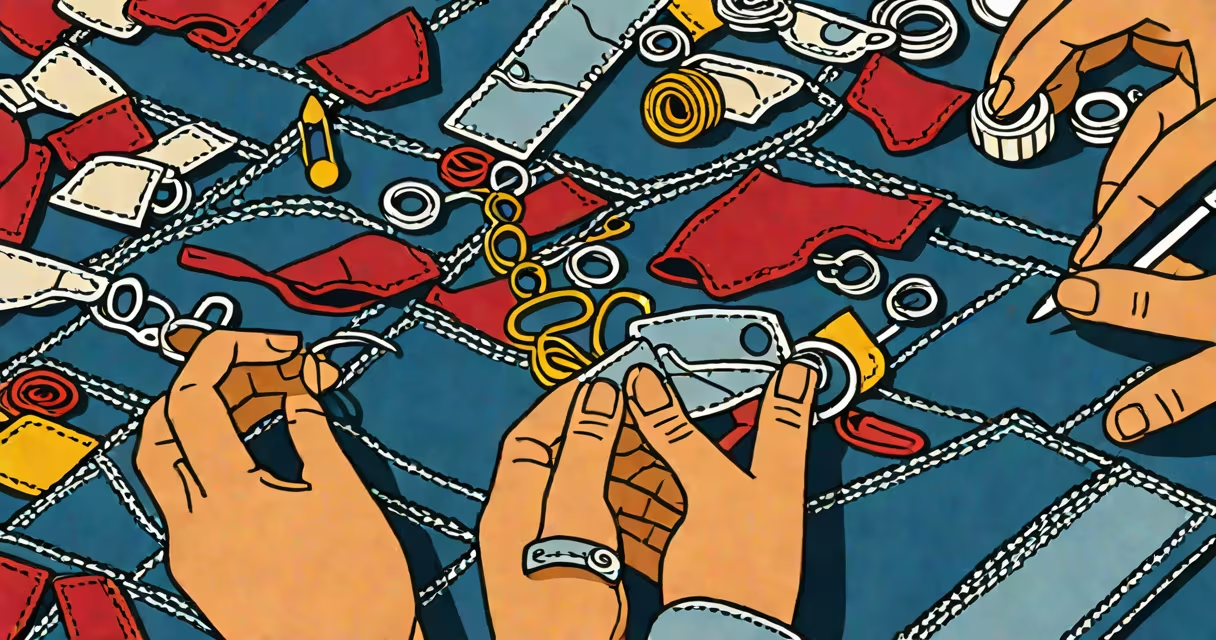
Top ways to repurpose old clothes involve transforming worn or unused garments into new usable items through creative alteration, repair, or redesign. This process reduces textile waste and extends the life of materials already in circulation.
Repurposing clothing begins with assessing the condition and material of a garment. Natural fibers like cotton, wool, and linen hold up better to cutting, stitching, and dyeing than synthetic blends. A pair of well-worn jeans may lose their fit but still have durable denim panels perfect for patchwork or bag-making. The core principle is to identify underused components-fabric, zippers, buttons, or trims-and assign them new functions.
Common methods include altering seams, adding appliqués, converting sleeves into cuffs, or combining multiple pieces into a single project. For example, a vintage dress with fading color can be cut apart and reassembled into a reversible jacket. These changes require minimal tools: scissors, needles, thread, and basic sewing skills. Most projects take between 30 minutes and two hours, depending on complexity.
Repurposing old clothes relies on reimagining form and function. Instead of discarding a shirt with a torn sleeve, you can remove the intact front panel and sew it into a tote bag. The original purpose is replaced by a new one-carrying groceries instead of covering the torso. This shift requires visualizing the potential of each fabric segment based on size, texture, and durability.
Each step follows a sequence: inspect the garment, plan the transformation, prepare materials, execute the alteration, and test the result. For instance, turning a long-sleeved sweater into a cropped vest involves removing the sleeves, reinforcing the armholes with bias tape, and adding decorative stitching along the neckline. The outcome is a wearable piece with updated style and renewed utility.
Many successful repurposing projects use modular design-breaking down garments into interchangeable parts. A set of mismatched flannel shirts can be combined into a patchwork blanket, with each shirt contributing a square of patterned fabric. This method allows for customization and personal expression while maximizing material use.
The most common outcomes of repurposing include accessories, home goods, and new clothing. Below are typical categories and examples:
| Type | Examples | Materials Needed | Time Required |
|---|---|---|---|
| Accessories | Clutch bags, hair ties, keychains | Fabric scraps, elastic, thread | 15-45 min |
| Home Goods | Table runners, cushion covers, wall hangings | Cotton, linen, embroidery thread | 1-3 hours |
| New Clothing | Cropped tops, patchwork pants, reversible jackets | Matching fabrics, zippers, buttons | 2-4 hours |
Some projects go beyond simple reuse. For example, a 2019 study by the Ellen MacArthur Foundation found that 95% of the value of global textiles is lost annually due to poor recycling or reuse systems. Repurposing addresses this gap by keeping materials in use longer. A single pair of jeans can yield four reusable tote bags, reducing demand for virgin cotton.
People repurpose old clothes to reduce environmental impact, save money, and express individuality. According to the Environmental Protection Agency, Americans discard about 80 pounds of clothing per person each year. Repurposing cuts that number by reusing existing resources instead of buying new ones.
It's especially common among craft communities, thrift store enthusiasts, and eco-conscious households. In urban centers like Portland, Oregon, and Austin, Texas, local workshops teach residents how to turn old t-shirts into reusable shopping bags. These programs report a 60% reduction in household textile waste over six months.
One non-obvious fact: the most effective repurposing often happens with garments that are *not* fully worn out. A slightly stained cotton shirt with intact structure can be transformed into a patchwork apron or a quilted pillow. Overly damaged items-those with holes larger than 2 inches or frayed edges-are harder to work with and may require extensive mending.
Repurposing is often mistaken for repairing or donating. Repairing fixes a broken part-like replacing a button or mending a tear. Donating sends usable clothes to others. Repurposing changes the entire function of the item. A pair of jeans becomes a floor mat, not just a repaired pair.
Another confusion is equating repurposing with upcycling. While both involve creative reuse, upcycling typically implies higher aesthetic or functional improvement. An upcycled coat might feature hand-stitched embroidery and custom lining. Repurposing includes simpler acts-such as cutting a T-shirt into rags for cleaning.
Some assume repurposing requires advanced skills. In reality, many projects use basic hand stitches or even glue. A no-sew headband made from a stretchy sweater hem takes less than 10 minutes and needs no needle. The key is starting small and building confidence.
Take a medium-sized wool sweater with a missing sleeve and faded collar. The rest of the body remains intact. Here's how to repurpose it:
The result is a durable, insulated tote bag capable of carrying books or groceries. This project uses only the original garment and basic tools. No additional fabric or hardware required.
On a personal note, I once turned a faded band T-shirt into a quilted notebook cover during a weekend trip. The fabric had sentimental value but was too worn for wearing. After cutting it into squares and stitching them together, I added a zipper closure and a felt name tag. It now holds my daily journal and serves as a reminder of how much meaning can be drawn from discarded items.
Top ways to repurpose old clothes are practical, environmentally responsible, and creatively rewarding. They don't require expensive tools or formal training. With a few basic supplies and a willingness to experiment, anyone can give worn garments a second life. The process fosters mindfulness about consumption and encourages innovation within constraints.
For those interested in improving communication skills, top ways to improve public speaking offer structured approaches to build confidence and clarity-just as repurposing builds value from what already exists.