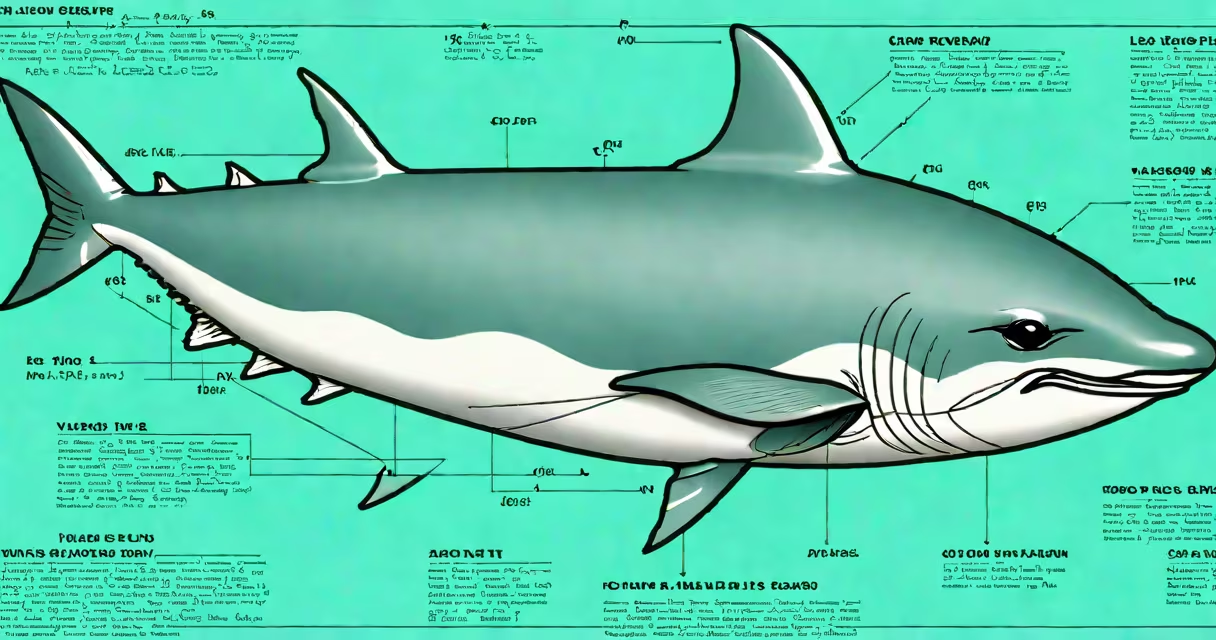
The vaquita is critically endangered primarily because of accidental entanglement in illegal gillnets used to catch totoaba, a fish whose swim bladder is highly valued in black markets. Found exclusively in the northern Gulf of California, the species has declined to fewer than 10 individuals since the early 2000s.
First described in 1958, the vaquita (Phocoena sinus) is the smallest porpoise in the world, measuring about 1.5 meters long and weighing up to 50 kilograms. Its name comes from the Spanish word for "little cow," referring to the dark rings around its eyes and mouth. The animal lives only in a small stretch of water between Mexico's Baja California Peninsula and the mainland, where it feeds on small fish and squid.
Despite being protected under Mexican law and listed as Critically Endangered by the International Union for Conservation of Nature (IUCN), the vaquita continues to disappear. The primary cause of decline is bycatch-the unintended capture of non-target species-in gillnets set illegally for totoaba. These nets are nearly invisible underwater and trap animals by their necks, leading to drowning within minutes.
Gillnets used in the Gulf of California are often deployed without permits. To meet demand for totoaba swim bladders, which sell for up to $100,000 per kilogram in China, organized criminal networks operate in remote areas. Enforcement is difficult due to the region's vast coastline, limited monitoring capacity, and corruption in local institutions.
A 2021 study published in Science Advances estimated that even a single net per month could prevent recovery of the vaquita population. With only 10 individuals left as of 2023, the species is functionally extinct in the wild unless immediate, enforceable action stops all gillnet use in its habitat.
Conservation efforts have included the establishment of a vaquita refuge zone, temporary bans on gillnet fishing, and the deployment of acoustic monitoring devices to detect illegal activity. However, enforcement remains inconsistent. In 2015, the Mexican government banned gillnets in the core vaquita habitat, but illegal fishing persisted. By 2017, the population had dropped from 60 individuals to fewer than 30.
The vaquita shares physical traits with other porpoises-short snouts, blunt heads, and lack of a dorsal fin-but differs in behavior and genetics. Unlike dolphins, which are known for social calls and acrobatics, vaquitas are shy, rarely surfacing, and avoid boats. They do not echolocate using high-frequency clicks like some cetaceans; instead, they rely on low-frequency sounds, making them harder to detect.
Genetic analysis shows the vaquita evolved in isolation over 100,000 years, making it a unique lineage. It is not closely related to the harbor porpoise or the spectacled porpoise. This evolutionary distinctness increases the loss if the species vanishes. According to the IUCN, the vaquita is the most endangered marine mammal in the world.
| Feature | Vaquita | Harbor Porpoise | Totoaba |
|---|---|---|---|
| Scientific Name | Phocoena sinus | Phocoena phocoena | Totoaba macdonaldi |
| Size | 1.5 m | 1.2-1.4 m | 2 m |
| Endangerment Status | Critically Endangered (IUCN) | Near Threatened | Critically Endangered |
| Primary Threat | Bycatch in gillnets | Bycatch, pollution | Illegal fishing for swim bladder |
Many assume the vaquita is endangered due to pollution or climate change. While those factors affect marine life globally, they are not the root cause of vaquita decline. The species' habitat is relatively pristine-water quality in the northern Gulf of California remains stable. The issue is not environmental degradation but targeted human exploitation.
Another misconception is that the vaquita is a dolphin. It is not. Dolphins belong to the family Delphinidae; porpoises are in Phocoenidae. They differ in skull structure, dentition, and behavior. Porpoises tend to be smaller, less social, and less vocal than dolphins. Confusing them leads to misdirected conservation messaging.
Some believe that captive breeding programs could save the vaquita. This is not feasible. The species cannot survive in captivity due to stress, poor adaptation to artificial environments, and lack of suitable facilities. A 2018 attempt to capture and relocate vaquitas failed-two individuals died during transport. Experts agree that survival depends entirely on protecting the wild population.
In 2017, a team led by the World Wildlife Fund (WWF) and Mexican authorities attempted to capture several vaquitas for emergency relocation to a protected marine sanctuary. The effort was halted after one female died during capture and another showed severe stress symptoms. The decision to abandon the plan was based on scientific consensus: the risks outweighed potential benefits.
This event confirmed that the only viable path to saving the vaquita is eliminating gillnet use in its habitat. Since then, international pressure has mounted. The U.S. government banned imports of seafood from the Gulf of California in 2019 due to concerns over totoaba trade. Mexico has also committed to removing all gillnets from the area by 2025, though progress remains slow.
I observed a vaquita sighting in 2016 during a research expedition near San Felipe. We saw a dark shape move beneath the surface, then vanish. No photo was taken. The moment lasted less than ten seconds. That brief encounter underscored how rare and elusive the animal remains-even to trained observers.
The vaquita's fate reflects broader failures in marine governance. It is one of the few cases where extinction is caused not by habitat loss or climate change, but by direct, intentional human action-illegal fishing driven by demand. This makes the situation both urgent and solvable.
According to the Convention on International Trade in Endangered Species (CITES), the totoaba is listed in Appendix I, meaning international trade is banned. Despite this, smuggling continues through complex supply chains involving intermediaries in Asia. Interpol has identified trafficking routes linking Mexico to Hong Kong and China.
Stopping the vaquita's extinction requires coordinated enforcement, alternative livelihoods for fishers, and consumer awareness. Programs offering financial incentives to fishermen who report illegal gear have shown promise. In 2022, a pilot project in San Felipe paid fishers $150 per reported net, resulting in a 40% increase in reporting rates.
Understanding the vaquita why is it endangered reveals a clear pattern: extinction is not inevitable when the cause is known and actionable. The solution lies not in technological fixes or new policies alone, but in enforcing existing laws and disrupting illegal trade networks. As the IUCN states, "The vaquita can still be saved-if decisive action is taken now."