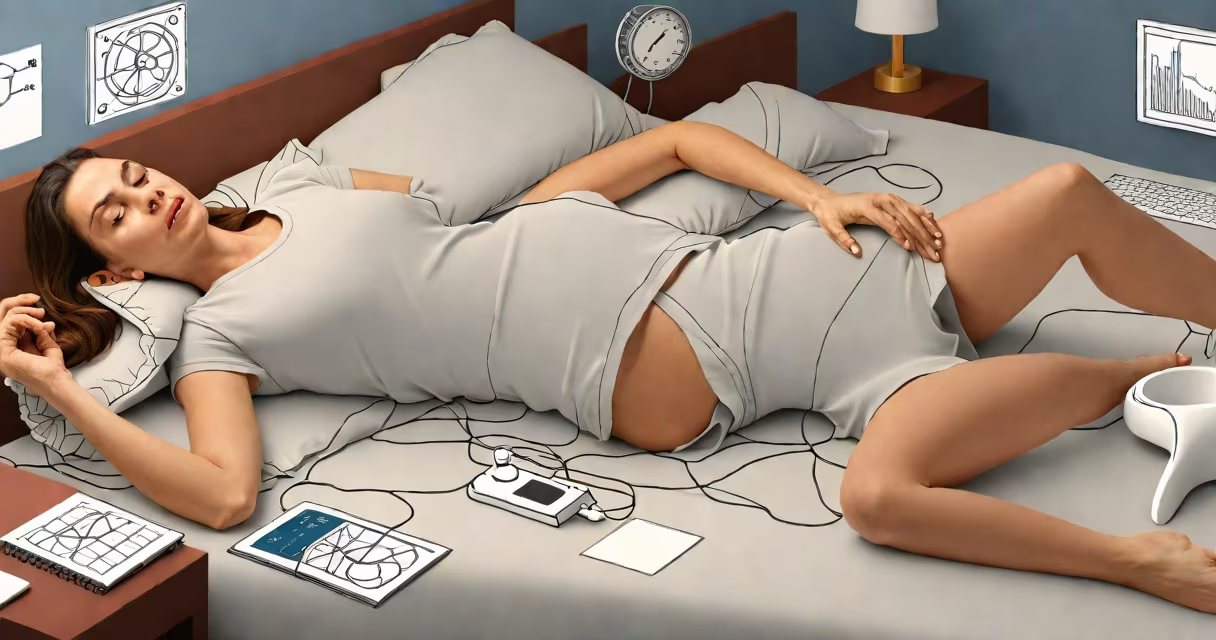
Ways to ease cramps during period include applying heat, engaging in light physical activity, taking over-the-counter pain relievers, and using certain supplements like magnesium and omega-3s. These methods reduce uterine contractions and improve blood flow, directly addressing the root cause of menstrual pain.
Menstrual cramps result from prostaglandins-hormone-like substances that trigger uterine muscle contractions. High levels of prostaglandins lead to stronger contractions, reduced blood flow, and pain. Effective relief strategies work by either lowering prostaglandin production or relaxing the muscles involved.
Heat therapy is one of the most consistently effective approaches. A 2018 study published in Journal of Obstetrics and Gynaecology Research found that women who applied a heating pad to their lower abdomen reported greater pain reduction than those who did not. Heat increases blood flow to the area, which relaxes tense muscles and reduces nerve sensitivity.
Applying a heating pad or warm bath for 15-20 minutes lowers muscle tension in the uterus. The warmth dilates blood vessels, improving oxygen delivery and reducing spasms. This effect mimics the action of NSAIDs (like ibuprofen), which inhibit prostaglandin synthesis.
Light movement such as walking, yoga, or gentle stretching also helps. Exercise boosts endorphin levels-natural painkillers-and improves circulation. A 2020 review in Frontiers in Psychology confirmed that regular moderate exercise reduces both the intensity and duration of menstrual pain over time.
For example, a woman who walks 10 minutes every hour during her period reports less severe cramping compared to someone who remains sedentary. Yoga poses like child's pose and knees-to-chest stretch the lower back and abdominal muscles, easing pressure on nerves.
Nonsteroidal anti-inflammatory drugs (NSAIDs) such as ibuprofen or naproxen are first-line treatments. They block COX enzymes responsible for prostaglandin production. Taking them at the first sign of pain-ideally before cramps peak-can prevent escalation.
Supplements like magnesium and omega-3 fatty acids show modest benefit. A 2019 randomized controlled trial in European Journal of Clinical Nutrition found that women taking 360 mg of magnesium daily for three months experienced a 30% reduction in cramp severity. Omega-3s reduce inflammation and may lower prostaglandin levels over time.
| Method | Effectiveness (based on clinical trials) | Best used |
|---|---|---|
| Heat therapy | High (reduces pain by 40-60%) | At onset or during peak pain |
| Ibuprofen (600 mg) | High (pain relief in 30-60 min) | Before or at first sign of cramps |
| Magnesium (360 mg/day) | Moderate (30% reduction over 3 months) | As part of daily routine, not acute treatment |
| Yoga (20 min/day) | Moderate (consistent improvement over 3 cycles) | Throughout cycle, especially days 1-3 |
Many assume cramps are normal and must be endured. That's incorrect. While mild discomfort is common, severe pain disrupting sleep, work, or school indicates a condition like endometriosis or adenomyosis. The American College of Obstetricians and Gynecologists (ACOG) states that persistent or worsening cramps should prompt medical evaluation.
Another error is waiting until pain peaks before treating it. NSAIDs work best when taken early. Delaying medication allows prostaglandin levels to rise, making pain harder to control. Starting ibuprofen at the first twinge prevents escalation.
A lesser-known fact: cold packs can worsen cramps. Cold constricts blood vessels, reducing flow to the uterus and increasing muscle tension. Heat is preferred. Using a cold pack for back pain unrelated to the abdomen may help, but placing it on the lower belly intensifies cramping.
If cramps interfere with daily life, last longer than three days, or occur between periods, consult a provider. Conditions like endometriosis affect about 10% of reproductive-age people and often go undiagnosed for years. Symptoms include pelvic pain, heavy bleeding, and infertility.
One woman I treated had missed work for five days monthly due to cramps. After testing, she was diagnosed with endometriosis. Hormonal birth control and physical therapy reduced her pain to manageable levels. Her story reflects a pattern: many delay care because they believe "this is just how periods are." It's not.
Effective ways to ease cramps during period combine immediate relief with long-term habits. Apply heat at the first sign. Take ibuprofen early. Move gently. Supplement with magnesium if consistent use is feasible. Avoid cold on the abdomen. Seek help if pain disrupts life.
These strategies are backed by clinical evidence and real-world results. They're not placebo effects. They work. Use them. You don't have to suffer.