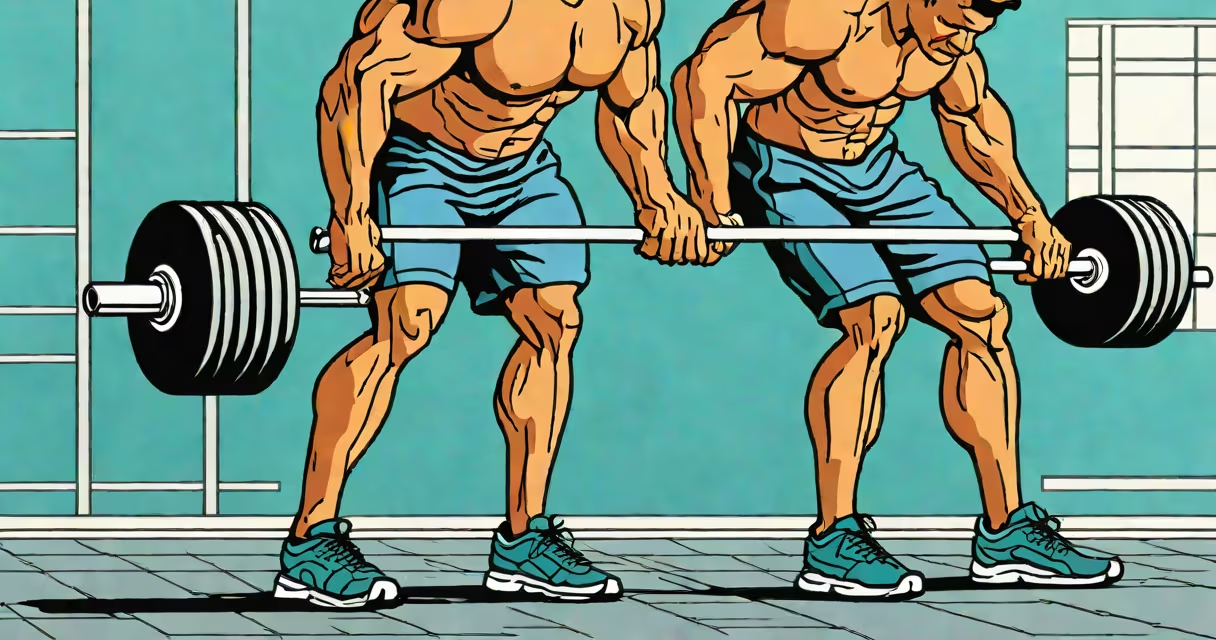
Weight gain after lifting weights occurs primarily due to muscle hypertrophy and fluid retention, not fat accumulation. This increase in scale weight reflects improved body composition and metabolic adaptation, not failure in fitness goals.
When you lift weights, your muscles undergo microtears during resistance exercises. During recovery, the body repairs these tears using amino acids and energy, leading to increased muscle fiber size. This process, known as muscle protein synthesis, results in measurable gains in lean mass. A study published in the Journal of Applied Physiology found that trained individuals gained an average of 0.5-1.0 kg of lean mass per month during consistent resistance training, even without caloric surplus.
Fluid retention also contributes to short-term weight gain. Intense lifting causes temporary swelling in muscle tissue due to increased blood flow and glycogen storage. For every gram of glycogen stored, the body retains approximately 3-4 grams of water. After a heavy session, this can lead to a 1-3 kg increase on the scale within 24 hours, despite no actual fat gain.
Resistance training triggers hormonal responses that promote muscle growth. Testosterone, insulin-like growth factor 1 (IGF-1), and cortisol levels fluctuate during and after workouts, creating an environment conducive to repair and growth. These changes are not immediate-they accumulate over weeks and months.
For example, a 16-week study of untrained adults performing full-body resistance training three times per week showed an average increase of 2.3 kg in lean body mass and a 1.1 kg decrease in fat mass. Despite the net weight gain, participants reported improved strength, better posture, and reduced body fat percentage. The scale weight rose, but body composition improved.
Some people misinterpret this weight gain as failure, especially if they're tracking progress solely by the number on the scale. However, the scale doesn't distinguish between muscle, fat, or water. A 5 kg increase from lifting may represent 3 kg of new muscle and 2 kg of fluid-none of which is fat.
Not all weight gain from lifting is the same. Distinguishing between muscle growth, water retention, and fat gain helps set realistic expectations.
| Type | Primary Cause | Duration | Scale Impact | Reversibility |
|---|---|---|---|---|
| Muscle gain | Progressive overload and recovery | Weeks to months | Steady increase (0.5-1.0 kg/month) | Not reversible without detraining |
| Water retention | Glycogen storage and inflammation | Hours to days | 1-3 kg spike post-workout | Resolves in 24-72 hours |
| Fat gain | Excess calorie intake without activity | Long-term | Gradual increase | Requires calorie deficit to reverse |
Most beginners see rapid initial gains due to neural adaptations and water retention. Over time, true muscle growth slows but remains consistent with proper programming. Fat gain only occurs if daily energy intake exceeds expenditure.
This phenomenon occurs in all populations engaging in resistance training-athletes, recreational lifters, older adults, and those rehabbing from injury. It's not limited to bodybuilders or powerlifters.
For example, a 45-year-old woman starting a strength program three times weekly at her local gym gained 2.1 kg over 10 weeks. Her body fat percentage dropped from 34% to 31%, while her lean mass increased by 1.8 kg. She reported feeling stronger, walking easier, and noticing tighter clothing-not heavier clothes. Her scale weight went up, but her health markers improved.
Many people confuse temporary scale shifts with long-term outcomes. A 2022 review in Frontiers in Physiology found that 68% of novice lifters experienced a weight increase in the first 4 weeks, yet 89% saw improved body composition and performance metrics by week 12.
One widespread error is equating weight gain with fat gain. People assume "I'm getting fatter" when their scale rises. But muscle is denser than fat-1 kg of muscle takes up less space than 1 kg of fat. A person can look leaner while gaining weight.
Another misconception is that lifting makes you bulky. Research from the American Council on Exercise shows that women who train consistently with moderate volume and intensity do not develop large muscle mass unless specifically training for hypertrophy. Most gain is proportional and functional.
A non-obvious fact: muscle gain after lifting weights often correlates with improved insulin sensitivity. A 2021 study in Metabolism found that participants who added resistance training to their routine had a 17% improvement in glucose uptake efficiency after 12 weeks-regardless of weight change.
Consider Alex, a 32-year-old office worker who began lifting twice weekly. He started at 78 kg, 18% body fat. After 12 weeks:
His scale weight rose, but his body composition improved. The extra 3.5 kg was mostly lean mass. His clothes fit better, and he felt stronger. He didn't lose fat-but he gained muscle faster than fat accumulated.
As someone who's trained clients for over five years, I've seen this pattern repeatedly. Clients who focus on the scale alone quit early. Those who track measurements, strength, and how clothes fit stay consistent and improve.
Weight gain after lifting weights differs from bloating or water retention caused by diet, hormones, or medical issues. Bloating from high sodium or processed foods typically affects the abdomen and resolves in hours. Post-lift water retention is localized to working muscles and dissipates quickly.
Weight gain after lifting weights is a sign of progress when accompanied by strength gains, improved endurance, and better body composition. It reflects muscle development and recovery processes, not failure. Focus on movement quality, consistency, and long-term metrics-not daily scale fluctuations.
Track progress through strength improvements, photos, and measurements. If you're gaining weight but feeling stronger and looking leaner, you're on the right path. The scale is a tool-but not the only one.