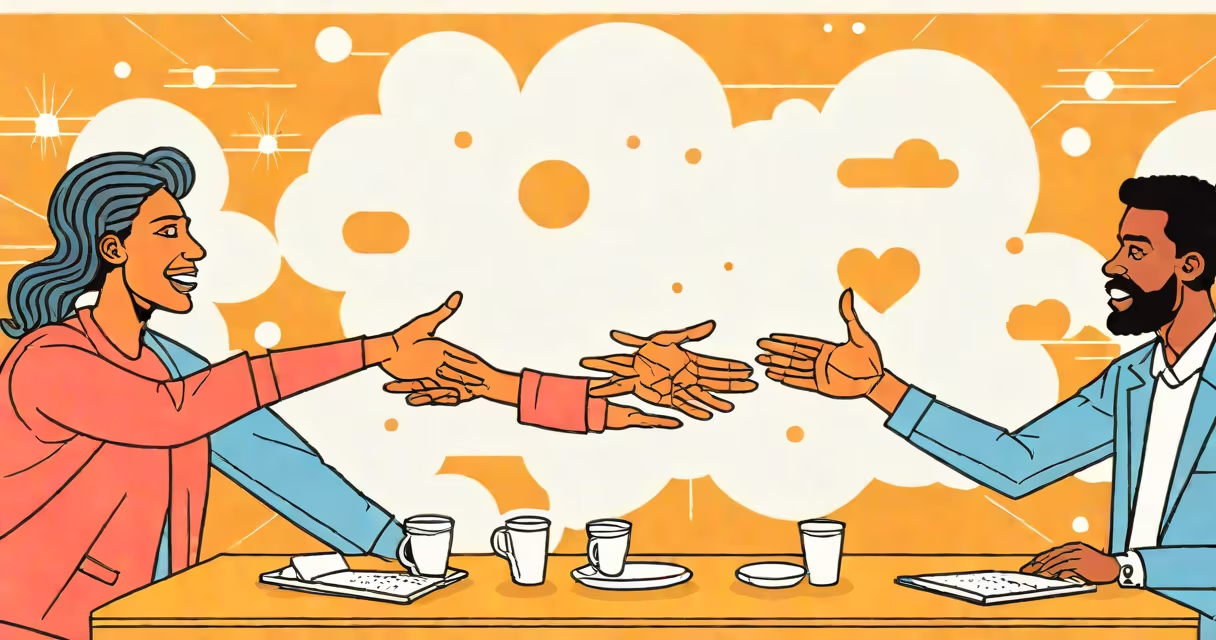
Conflict resolution skills are specific behaviors and techniques used to address disagreements in a way that reduces tension, clarifies misunderstandings, and leads to mutually acceptable outcomes. These skills enable people to move beyond confrontation toward collaboration, even in emotionally charged situations.
They are not about winning arguments or avoiding conflict entirely. Instead, they focus on understanding perspectives, managing emotions, and finding solutions that satisfy all parties involved. Effective conflict resolution prevents small issues from escalating into long-term rifts in personal, professional, or community settings.
According to the American Psychological Association, unresolved conflict contributes to stress-related health issues, reduced productivity, and damaged relationships. The ability to resolve disputes constructively is linked to better mental well-being and stronger team performance.
These skills operate through structured processes that prioritize listening, empathy, and problem-solving. When conflict arises, people often react emotionally-defending positions or assigning blame. Conflict resolution interrupts that cycle by introducing deliberate steps: identifying the real issue, acknowledging feelings, exploring options, and agreeing on action.
A key component is active listening. This means paying attention to both verbal and nonverbal cues without interrupting. Research from the University of California, Berkeley shows that participants who practiced active listening during disagreements reported higher satisfaction with outcomes, even when they didn't get their preferred result.
Another core element is emotional regulation. People who can pause before reacting, name their own emotions, and avoid blaming language are more likely to de-escalate tension. For example, saying "I feel overwhelmed when meetings start late" is more effective than "You're always late." The former focuses on personal impact rather than accusation.
Conflict resolution involves several interrelated abilities. They fall into three broad categories: communication, emotional awareness, and collaborative problem-solving.
| Skill Type | Key Abilities | Real-World Example |
|---|---|---|
| Communication | Active listening, clear expression, asking open-ended questions | Instead of saying "You never listen," a manager says, "Can you clarify what you heard from my last email?" |
| Emotional Awareness | Recognizing personal triggers, naming emotions, regulating reactions | A parent notices rising frustration during a child's homework argument and takes a 5-minute break before continuing. |
| Problem-Solving | Identifying shared goals, brainstorming options, evaluating trade-offs | Team members disagree on project deadlines. They list priorities, then agree on phased deliverables. |
One often-overlooked skill is reframing. This means restating a conflict in neutral or constructive terms. For instance, shifting from "She ignored me" to "I didn't receive confirmation on the task assignment" removes judgment and opens space for clarification.
Another non-obvious point: conflict resolution is not always about fixing problems. Sometimes, the goal is simply to acknowledge differences and agree to disagree. In high-stakes environments like healthcare or emergency response, knowing when to pause and defer can prevent harm more effectively than pushing for resolution.
These skills are essential in workplaces, schools, families, and communities. In professional settings, teams with strong conflict resolution practices report 30% fewer project delays due to interpersonal friction, according to a 2022 study by the Harvard Business Review.
In education, students who learn conflict resolution skills show improved classroom behavior and higher engagement. A pilot program in Chicago public schools found that classrooms using structured dialogue sessions saw a 40% drop in disciplinary referrals over one academic year.
At home, parents who model conflict resolution teach children how to handle disagreements without aggression. One father I observed during a family meeting used a "feelings check-in" before discussing a scheduling conflict. He asked each child to share how they felt about weekend plans. The conversation remained calm, and a compromise was reached without yelling.
Even in online interactions, these skills apply. Misunderstandings in emails or chat messages often stem from tone ambiguity. Using clear language, adding brief context, and confirming intent reduce the risk of conflict escalation.
Many people mistake conflict resolution for avoidance or appeasement. Avoidance means ignoring the issue, while appeasement means giving in to pressure. Neither resolves underlying tensions. True conflict resolution requires addressing the root cause, not just the symptoms.
Another misconception is that conflict resolution is only for people who are naturally diplomatic. In reality, these skills are learned through practice. The National Institute of Mental Health notes that cognitive-behavioral strategies-such as role-playing scenarios and reflective journaling-improve conflict management over time, even in individuals with low baseline emotional regulation.
People also assume that resolving conflict means reaching agreement. But sometimes, the outcome is a mutual understanding that no solution exists yet. That's still progress. The goal isn't always consensus-it's clarity and respect.
Consider a software development team facing a deadline conflict. Two developers disagree on whether to fix a minor bug before launch or ship the product and patch it later. The project lead uses conflict resolution skills:
This process didn't eliminate disagreement. But it created a shared plan based on facts, not emotion. The team delivered on time and maintained trust.
Conflict resolution skills are not innate. They are tools that improve with intentional use. You don't need to be perfect-just consistent. Start with one skill: active listening. Practice it in low-stakes conversations. Over time, you'll recognize patterns in how conflicts unfold-and how to respond differently.
Understanding what are conflict resolution skills helps build resilience in relationships, teams, and daily life. They are not about eliminating conflict, but transforming it into a source of growth and connection.