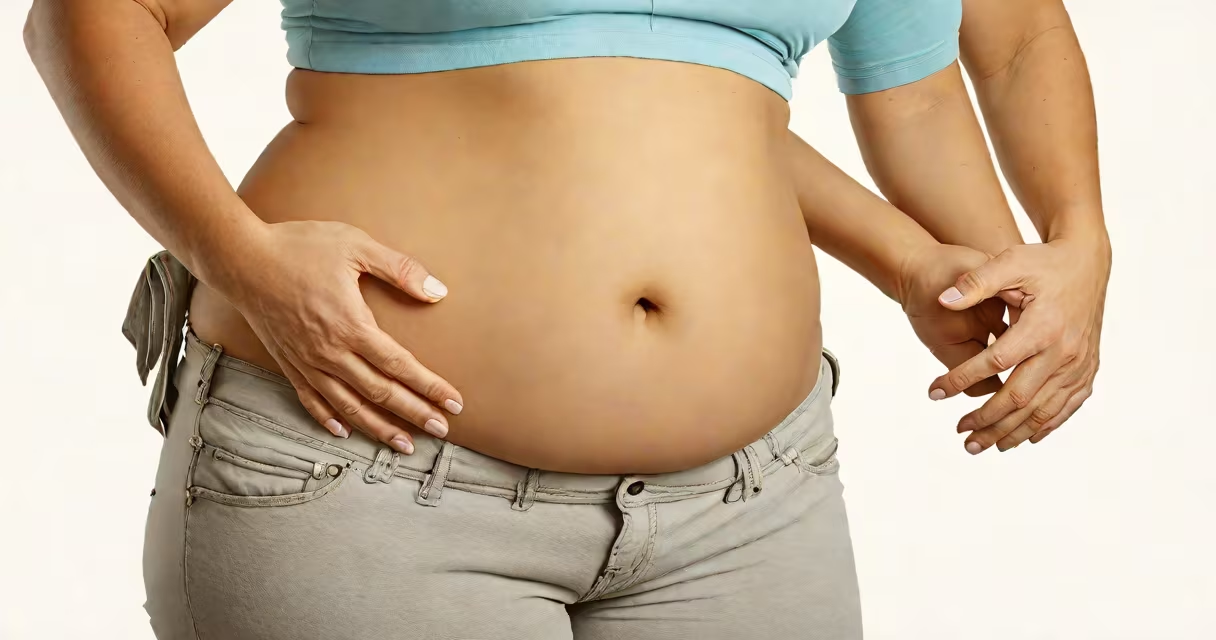
Losing stomach fat involves reducing visceral fat-the deep abdominal fat surrounding organs-through sustained dietary changes, resistance training, and improved sleep quality. This fat is linked to higher risks of heart disease and insulin resistance, making targeted reduction critical for long-term health.
Visceral fat doesn't respond to spot reduction. It shrinks when body fat decreases through calorie deficit and metabolic improvements. The most effective strategies combine consistent effort across multiple domains: food choices, movement patterns, and rest cycles.
Research shows that even modest reductions in waist circumference correlate with lower cardiovascular risk. A 2021 study published in Obesity found participants who lost 5-10% of their body weight reduced visceral fat by 20-30% over six months, regardless of initial BMI.
Stomach fat, particularly visceral fat, is metabolically active. It releases fatty acids and inflammatory markers into the bloodstream, increasing strain on the liver and insulin sensitivity. Unlike subcutaneous fat (the kind you can pinch), visceral fat contributes directly to disease risk.
To reduce it, your body must create a negative energy balance-burning more calories than consumed. This forces stored fat to break down into free fatty acids and glycerol, which the liver converts into energy. Over time, this process depletes visceral stores.
High cortisol levels from chronic stress accelerate visceral fat accumulation. A 2019 study in Psychoneuroendocrinology showed individuals under prolonged psychological stress had 30% higher visceral fat deposition compared to low-stress peers, even with similar diets and activity levels.
Nutrition is the foundation. Diets high in whole foods-vegetables, lean protein, healthy fats, and complex carbohydrates-support fat oxidation and stabilize blood sugar. Processed foods, especially those with added sugars and refined grains, spike insulin, promoting fat storage in the abdomen.
Strength training increases lean muscle mass, raising resting metabolic rate. A 2020 meta-analysis in Journal of Clinical Endocrinology & Metabolism found resistance exercise increased fat-free mass by 1.5 kg over 12 weeks and reduced visceral fat by 12% more than aerobic-only groups.
Sleep duration matters. Adults sleeping less than 6 hours per night show elevated ghrelin (hunger hormone) and reduced leptin (satiety hormone), leading to increased caloric intake. A 2022 study in Sleep Medicine linked short sleep to 2.5 times greater visceral fat gain over five years.
| Factor | Recommended Level | Impact on Visceral Fat |
|---|---|---|
| Daily Calorie Deficit | 15-20% | Reduces visceral fat by 10-15% in 8-12 weeks |
| Resistance Training Frequency | 3 sessions/week | Increases metabolic rate and promotes fat oxidation |
| Sleep Duration | 7-8 hours/night | Normalizes appetite hormones and reduces fat storage |
| Alcohol Intake | ≤1 drink/day (women), ≤2 drinks/day (men) | Excess alcohol correlates with 30% higher visceral fat levels |
Spot reduction is a myth. Crunches won't shrink your waistline. While they strengthen rectus abdominis muscles, they don't burn enough calories or alter fat distribution. A 2018 study in Medicine & Science in Sports & Exercise found participants doing 100 daily crunches for eight weeks lost no more abdominal fat than controls.
Extreme fasting or juice cleanses may cause rapid weight loss, but most is water and muscle. These approaches trigger cortisol spikes and slow metabolism, often leading to rebound fat gain. A 2021 review in Frontiers in Nutrition reported 70% of people regaining lost weight within one year of using such methods.
Many assume "belly fat" equals "fat around the belly." But visceral fat lies beneath the abdominal wall, not just under the skin. You can have a flat appearance while still carrying dangerous internal fat. MRI scans show that 40% of people with normal BMI have high visceral fat levels-a condition known as "normal-weight obesity."
A 42-year-old woman with a 38-inch waist and 32% body fat began a structured plan. She cut out sugary beverages and processed snacks, replacing them with vegetables, eggs, salmon, nuts, and oats. Her daily intake averaged 1,800 kcal-15% below maintenance.
She performed full-body resistance training three days per week (squats, deadlifts, push-ups, rows) and walked 8,000 steps daily. Sleep improved from 5.5 to 7.2 hours nightly after eliminating screens before bed and setting a consistent wake-up time.
After 12 weeks, her waist shrank to 34 inches. MRI confirmed a 28% reduction in visceral fat. Blood tests showed improved insulin sensitivity and lower triglycerides. She didn't target the stomach-it was a result of systemic change.
If waist circumference exceeds 35 inches (women) or 40 inches (men), consult a healthcare provider. High visceral fat may indicate insulin resistance, prediabetes, or hormonal imbalances. Blood work and imaging can clarify underlying causes.
For persistent difficulty losing fat despite adherence, consider working with a registered dietitian or certified personal trainer. They provide personalized plans based on metabolic testing, activity history, and medical context.
Remember: sustainable fat loss isn't about temporary results. It's about building habits that support long-term health. What can you do to lose stomach fat? Start with small, consistent changes-nutrition, movement, sleep-and trust the process.