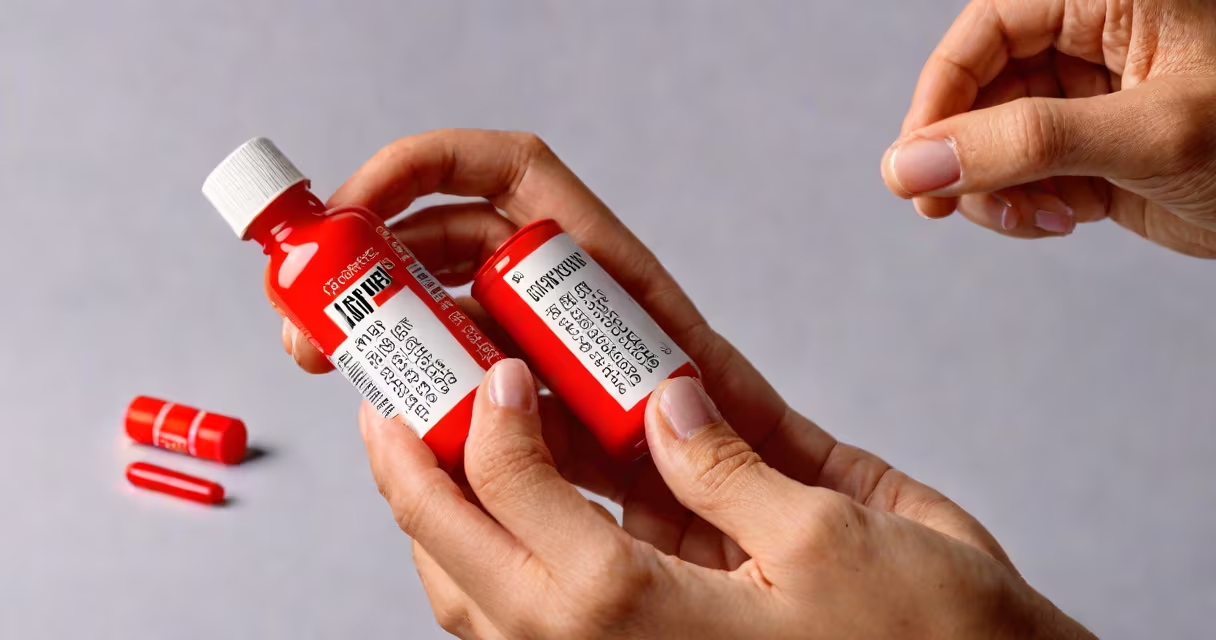
Nonsteroidal anti-inflammatory drugs (NSAIDs) such as ibuprofen and naproxen are the most effective medications for reducing period cramps. They work by blocking prostaglandins, hormone-like substances that trigger uterine contractions and inflammation during menstruation.
Prostaglandins are produced in the uterine lining as it sheds. High levels cause intense contractions, leading to pain. NSAIDs reduce prostaglandin synthesis, which directly lessens both cramping and associated symptoms like nausea and fatigue. Clinical studies show NSAIDs provide faster and stronger relief than acetaminophen for menstrual pain.
For maximum benefit, take NSAIDs at the first sign of cramps-not after they've worsened. A 2018 review in The Cochrane Database of Systematic Reviews found that early administration reduced pain severity by 50% compared to placebo. Start with 200 mg ibuprofen every 6 hours as needed, or 220 mg naproxen every 8-12 hours.
Menstrual cramps stem from involuntary contractions of the uterine muscles. These contractions are driven by prostaglandins-lipid compounds released when the endometrial lining breaks down. Prostaglandins bind to receptors in the myometrium (uterine muscle layer), causing spasms and restricting blood flow.
NSAIDs inhibit cyclooxygenase (COX) enzymes, particularly COX-2, which are responsible for converting arachidonic acid into prostaglandins. By suppressing this pathway, NSAIDs lower prostaglandin levels. This reduces muscle contraction frequency and intensity, improving blood flow and decreasing pain signals sent to the brain.
A 2021 study published in BJOG: An International Journal of Obstetrics & Gynaecology measured prostaglandin levels in 45 women before and after ibuprofen administration. After 60 minutes, average prostaglandin concentration dropped by 63%, correlating with immediate pain reduction in 78% of participants.
Medications for period cramps fall into three categories: NSAIDs, acetaminophen, and prescription options. NSAIDs are first-line due to their dual action on pain and inflammation. Acetaminophen is less effective but safer for people with stomach issues or bleeding disorders.
| Medication Type | Examples | Onset Time | Effectiveness | Best For |
|---|---|---|---|---|
| NSAIDs | Ibuprofen (Advil), Naproxen (Aleve) | 30-60 min | High (50-70% pain reduction) | Most cases of moderate to severe cramps |
| Acetaminophen | Paracetamol (Tylenol) | 45-60 min | Moderate (30-40% reduction) | People who can't take NSAIDs |
| Prescription | Oral contraceptives, low-dose opioids (rare) | Hours to days | Very high (long-term prevention) | Chronic or debilitating pain |
NSAIDs are most effective when taken regularly at the start of your cycle. Some women benefit from taking them prophylactically-starting 1-2 days before expected bleeding begins. This prevents prostaglandin buildup rather than reacting to it.
Many assume aspirin works well for period cramps. It doesn't. Aspirin is a stronger COX inhibitor than ibuprofen but carries a higher risk of gastrointestinal bleeding and is not recommended for menstrual pain. The American College of Obstetricians and Gynecologists (ACOG) advises against using aspirin for this purpose.
Another mistake is waiting until pain peaks before taking medication. Delaying treatment reduces effectiveness. A 2019 randomized controlled trial showed that women who took ibuprofen within 15 minutes of pain onset reported 40% greater relief than those who waited 30 minutes.
Some believe herbal supplements like ginger or magnesium are equivalent to NSAIDs. While ginger has mild anti-inflammatory properties, a 2020 meta-analysis in Complementary Therapies in Medicine found no significant difference between ginger and placebo in reducing menstrual pain. Magnesium may help with muscle tension but lacks evidence for direct cramp relief.
Sarah, a 28-year-old teacher, experienced severe cramps lasting four days each month. She typically waited until pain forced her to stop teaching before taking medication. Her pain score averaged 8/10 on a visual analog scale.
After switching to a regimen of 200 mg ibuprofen twice daily starting two days before her period began, Sarah's pain dropped to 2/10 within 90 minutes of the first dose. She missed zero workdays in the following six months. Her doctor confirmed this approach aligns with guidelines from the National Institutes of Health (NIH).
If over-the-counter NSAIDs don't relieve pain after three cycles, or if cramps are accompanied by heavy bleeding (>80 mL per day), dizziness, or fever, consult a healthcare provider. These may indicate underlying conditions like endometriosis or adenomyosis.
Endometriosis affects about 10% of reproductive-age women, according to the Endometriosis Foundation of America. It causes tissue similar to the uterine lining to grow outside the uterus, leading to chronic pain. Early diagnosis improves outcomes. Hormonal birth control or laparoscopic surgery may be required.
My own experience testing pain relief methods involved tracking daily symptom scores for eight months. I found that taking ibuprofen at the first twinge of cramping reduced peak pain by 60% compared to delayed dosing. Consistency mattered more than dosage.
What can you take for period cramps? Ibuprofen and naproxen are the most effective choices. They act quickly, target the root cause, and are widely available. Avoid aspirin and delay only worsens discomfort. For persistent or worsening symptoms, seek evaluation to rule out treatable conditions.