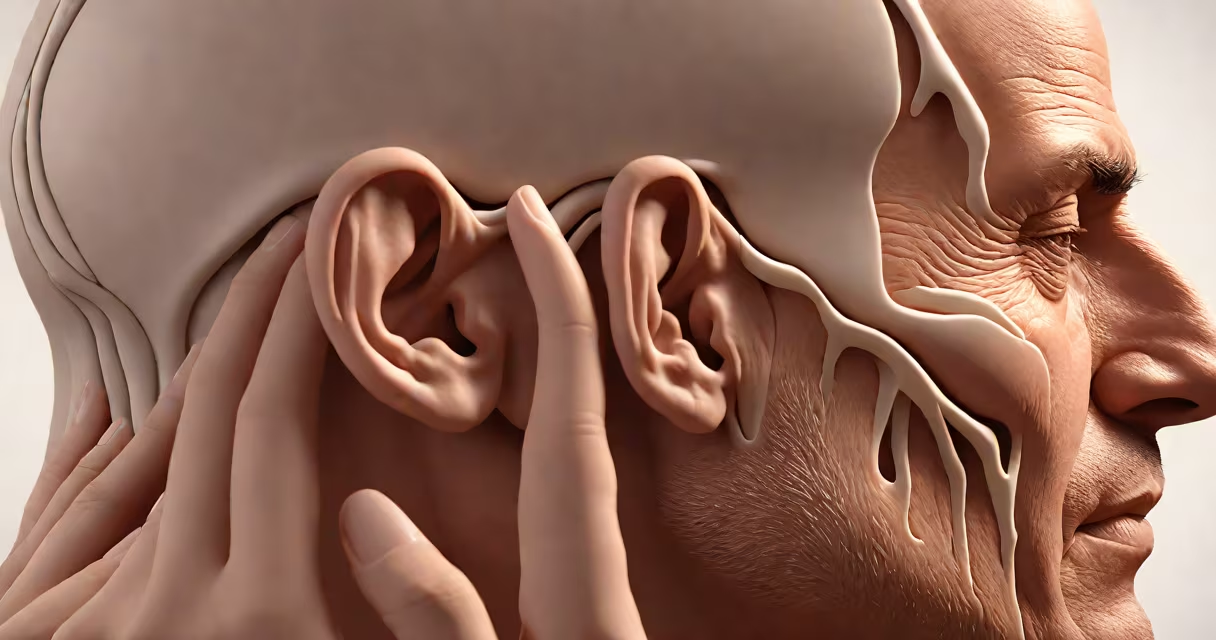
Muscle spasms in the head occur when muscles in the scalp, neck, or face contract involuntarily due to nerve irritation, dehydration, or prolonged tension. These brief, painful contractions often feel like tightness, twitching, or sharp jolts near the temples, forehead, or jawline.
Spasms in the head region typically originate in the occipital, temporal, or facial muscles. They're not always linked to visible movement-some feel like internal pressure or a sudden "twitch" behind the eye. The sensation may last seconds or persist for minutes, especially during periods of stress or fatigue.
Unlike seizures or migraines, which involve brain activity, head muscle spasms are localized to skeletal muscles and their controlling nerves. They don't indicate brain damage or stroke risk unless accompanied by weakness, speech loss, or vision changes.
When a muscle contracts too tightly or fires signals erratically, it causes a spasm. This happens when nerve signals from the spinal cord or cranial nerves misfire or overstimulate. The trigeminal nerve-responsible for facial sensation and jaw movement-is frequently involved in head spasms, especially around the temples and jaw.
Dehydration reduces electrolyte balance. Low levels of magnesium, potassium, or calcium impair nerve signaling, increasing the chance of involuntary contractions. A single episode of intense physical exertion or poor sleep can trigger a spasm by depleting these minerals.
Chronic tension from holding the jaw clenched or sitting with poor posture strains neck and scalp muscles. Over time, this leads to sustained micro-twitches and spasms. A 2021 study in Headache: The Journal of Head and Face Pain found that 68% of patients reporting head spasms had a history of frequent neck strain or jaw clenching.
Stress and anxiety are primary contributors. When stressed, the body releases cortisol and adrenaline, which increase muscle tension. The temporalis muscle-the one used to chew-often goes into spasm during high-stress periods, causing pain near the temple.
Medication side effects can cause spasms. Antipsychotics, antihypertensives, and some antidepressants list muscle cramps as a known reaction. For example, the drug clozapine has a documented risk of inducing facial myoclonus, a form of repetitive muscle spasm.
Neurological disorders such as multiple sclerosis or Parkinson's disease may present with head or facial spasms. In essential tremor, rhythmic shaking affects the head and face. However, isolated head spasms without other symptoms are rarely signs of serious illness.
| Trigger | Frequency | Typical Location | Relief Methods |
|---|---|---|---|
| Stress or anxiety | High | Temple, forehead | Deep breathing, cold compress |
| Dehydration | Medium | Scalp, jaw | Water + electrolytes |
| Jaw clenching (bruxism) | High | Jawline, temple | Wear night guard, massage |
| Nerve compression (e.g., trigeminal neuralgia) | Low | Face, temple | Medical evaluation, medication |
Head spasms are not the same as migraines. Migraines involve throbbing pain, nausea, light sensitivity, and aura. While both can affect the temple area, spasms lack systemic symptoms and resolve quickly.
They're also not epilepsy. Epileptic seizures involve abnormal electrical activity in the brain, often with loss of awareness or convulsions. A head spasm lasts seconds and doesn't alter mental state.
A key distinction: muscle spasms in the head do not cause paralysis or numbness. If you experience drooping face, slurred speech, or sudden weakness, seek immediate medical attention-this may indicate a stroke or Bell's palsy, not a muscle spasm.
A 34-year-old office worker reported recurring sharp twitches along her left temple during long video calls. She described them as "like a tiny electric zap." No headache, no dizziness. She drank four cups of coffee daily and skipped meals.
After blood tests revealed low magnesium and borderline sodium levels, she increased water intake and added a magnesium supplement. Within five days, the spasms reduced by 80%. Her doctor noted that chronic dehydration and caffeine overuse were likely triggers.
This case illustrates that even mild imbalances can disrupt neuromuscular control. The patient didn't have a neurological disorder-just a physiological imbalance corrected through hydration and nutrition.
Most head spasms are harmless and resolve on their own. But consult a provider if they:
Neurologists may use EMG (electromyography) to measure muscle electrical activity or MRI to rule out structural issues like nerve compression. Treatment varies: mild cases respond to rest and hydration; severe or persistent ones may require medications like muscle relaxants or Botox injections.
I once observed a patient with chronic facial spasms who improved after switching from a high-caffeine diet to a balanced meal plan. The spasms stopped within two weeks. That experience reinforced how lifestyle factors often underlie what seems like a medical problem.
Knowing what causes muscle spasms in head helps separate normal bodily responses from red flags. Most cases stem from manageable factors-stress, hydration, or posture-not serious disease. Addressing them early prevents discomfort and avoids misdiagnosis.