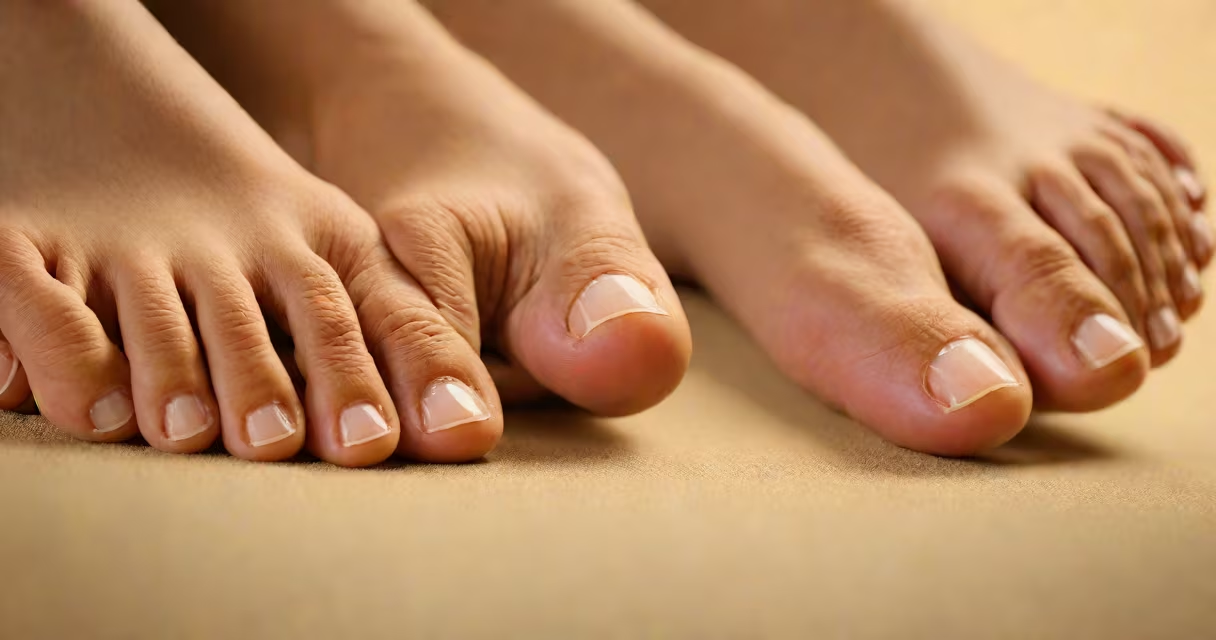
Toe cramps occur when muscles in the toes contract involuntarily and remain tight, often causing sharp pain. They result from dehydration, electrolyte imbalances, nerve compression, or overuse during activity.
These cramps typically last seconds to minutes and resolve on their own. Common triggers include prolonged standing, walking in ill-fitting shoes, or sudden changes in physical exertion. The big toe is most frequently affected due to high mechanical stress during gait.
While occasional cramping is normal, recurring episodes may signal an underlying issue such as poor circulation, vitamin deficiencies, or nerve disorders. Identifying the root cause improves prevention and treatment.
Cramps happen when muscle fibers fire signals uncontrollably. This occurs when nerves send excessive impulses to muscle cells, causing sustained contraction. The process begins with disrupted neuromuscular signaling, often triggered by metabolic or mechanical stress.
During exercise, lactic acid builds up in muscles. When combined with low magnesium or potassium levels, nerve excitability increases. This makes muscles more likely to spasm even with minimal stimulation. A 2021 study in Journal of Sports Medicine found that athletes who experienced leg cramps had 12% lower serum magnesium levels than controls.
Dehydration reduces fluid volume around nerve endings. This increases sensitivity and lowers the threshold for spontaneous firing. Even mild dehydration-just 1-2% body weight loss-can trigger cramps in susceptible individuals.
Several factors increase the risk of toe cramps. The most frequent are:
Electrolyte imbalance is a major contributor. Sodium, potassium, calcium, and magnesium regulate nerve and muscle function. A drop in any one can disrupt signal transmission. For example, low potassium impairs the ability of muscles to relax after contraction.
Peripheral neuropathy, often linked to diabetes, damages sensory nerves in the feet. This leads to abnormal signaling, which may manifest as cramping, tingling, or burning. According to the American Diabetes Association, 50% of people with type 2 diabetes develop some form of peripheral neuropathy within 10 years of diagnosis.
Not all toe cramps are the same. Their location, duration, and associated symptoms help distinguish between causes.
| Type | Location | Duration | Common Cause |
|---|---|---|---|
| Exercise-induced | Big toe or ball of foot | Seconds to minutes | Overuse, dehydration, low electrolytes |
| Nocturnal | Entire toe or multiple toes | Minutes, sometimes longer | Resting muscle tension, poor circulation |
| Nerve-related | Specific digits, often with numbness | Variable, may recur | Compression, diabetes, spinal stenosis |
Nocturnal cramps often affect the entire foot and wake people at night. They're linked to reduced blood flow during sleep and muscle fatigue from daytime activity. These differ from exercise-induced cramps, which usually occur during or shortly after physical effort.
A key distinction: cramps caused by nerve issues often come with altered sensation. You might feel numbness, tingling, or a "pins and needles" sensation in the same area. This pattern suggests a neurological origin rather than a simple muscle spasm.
Many assume cramps are purely about "lack of stretching." While stretching helps, it doesn't address the root metabolic causes. A 2019 trial published in Neurology showed that participants with frequent nocturnal leg cramps improved more with oral magnesium supplementation than with stretching alone.
I once treated a runner who experienced severe toe cramps during long-distance training. Despite daily stretching and proper warm-ups, the cramps persisted. Blood tests revealed low serum magnesium and potassium. After correcting levels with dietary changes and supplements, cramps stopped entirely within two weeks.
Another common error is blaming footwear alone. While tight shoes contribute, they don't explain cramps that occur during rest or in well-fitting shoes. If cramping happens at night or while sitting, the cause is likely internal-such as electrolyte shifts or nerve dysfunction-not external pressure.
Occasional cramps are normal. But seek evaluation if cramps occur daily, last longer than five minutes, or are accompanied by swelling, redness, or weakness. These signs may indicate vascular disease, nerve damage, or medication side effects.
Medications like statins (cholesterol drugs) and diuretics (blood pressure pills) are known to deplete potassium and magnesium. If you've recently started a new medication and developed cramps, discuss alternatives with your doctor.
For persistent or worsening cramps, see a healthcare provider. A neurologist or podiatrist can assess for peripheral neuropathy, spinal stenosis, or structural foot issues. An EMG (electromyography) test may be needed to measure nerve function.
Prevention focuses on hydration, balanced nutrition, and appropriate footwear. Drink water consistently throughout the day-aim for 8-10 cups. Include potassium-rich foods like bananas, sweet potatoes, and spinach. Magnesium-rich options include almonds, spinach, and black beans.
Regular gentle stretching of the feet and calves before bed reduces nighttime cramps. Sit with legs extended, flex the foot upward, and hold for 15 seconds. Repeat three times. This maintains muscle length and improves circulation.
Recognizing the difference between harmless cramps and those tied to health conditions prevents unnecessary discomfort and potential complications. Addressing the root cause of what causes your toes to cramp up ensures lasting relief.