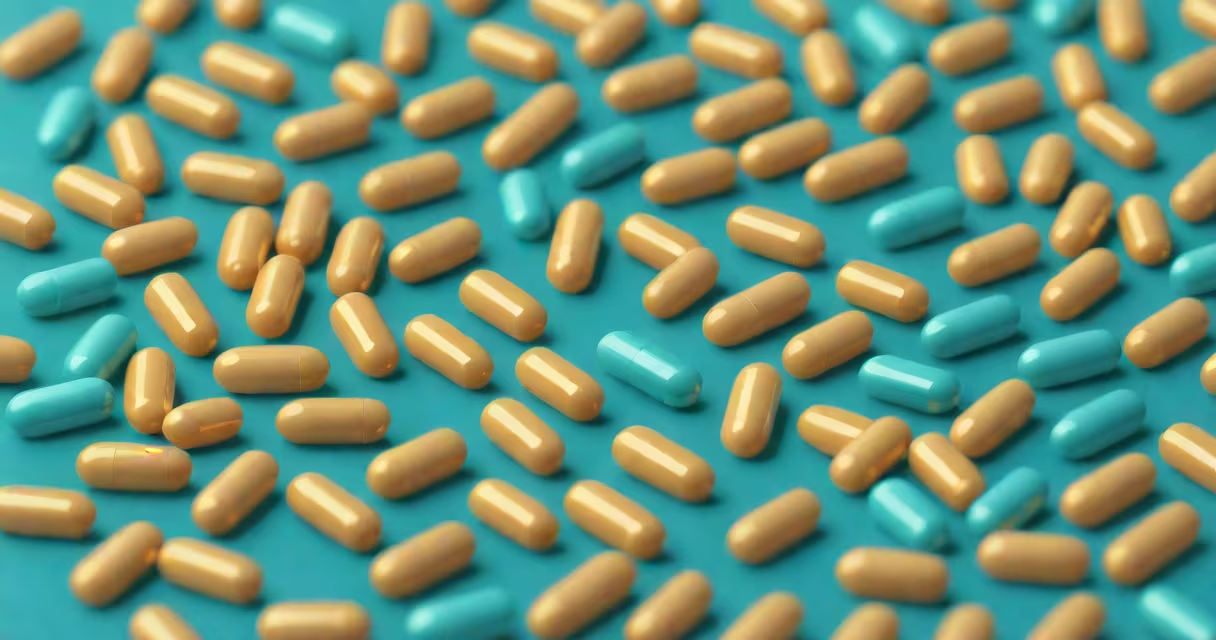
CoQ10 supplements provide a synthetic version of ubiquinone, a compound naturally produced in human cells that supports mitochondrial energy generation and acts as an antioxidant. These supplements are primarily used to address deficiencies linked to aging, statin use, or chronic illness.
CoQ10, or coenzyme Q10, is a fat-soluble molecule synthesized in the mitochondria-the powerhouses of cells. It plays a direct role in the electron transport chain, a process that generates adenosine triphosphate (ATP), the primary energy currency of cells. Without sufficient CoQ10, ATP production slows, leading to reduced cellular performance, especially in high-energy tissues like the heart and skeletal muscle.
Supplemental CoQ10 is typically derived from fermentation processes using yeast or bacteria. The most common form is ubiquinone, which the body converts into ubiquinol-the active antioxidant form. Some formulations now offer ubiquinol directly, claiming better absorption and bioavailability, particularly in older adults whose conversion efficiency declines.
When taken orally, CoQ10 is absorbed in the small intestine via bile-dependent micelle formation. It enters the bloodstream and is distributed to tissues with high metabolic demand. The liver metabolizes it slowly, and excretion occurs through bile and feces. Plasma concentrations peak about 6 hours after ingestion and remain elevated for 12-24 hours.
Inside cells, CoQ10 shuttles electrons between Complex I and Complex III in the mitochondrial inner membrane. This step is essential for maintaining the proton gradient needed to produce ATP. A deficiency disrupts this flow, reducing energy output and increasing oxidative stress-damage caused by free radicals.
A 2014 randomized controlled trial published in Journal of the American College of Cardiology found that patients with heart failure who took 100 mg of CoQ10 daily for 12 months showed improved ejection fraction and reduced hospitalization rates compared to placebo. The study concluded that CoQ10 supplementation enhanced cardiac function in moderate-to-severe cases.
CoQ10 supplements come in several forms, differing in solubility, stability, and absorption. The two main variants are ubiquinone and ubiquinol.
| Form | Stability | Best For | Typical Dose |
|---|---|---|---|
| Ubiquinone | High | General use, younger adults | 100-200 mg/day |
| Ubiquinol | Moderate (oxidizes faster) | Older adults, those with low conversion capacity | 100-200 mg/day |
| Suspension (liquid) | Low (requires refrigeration) | Patients with malabsorption issues | 50-100 mg/day |
Some brands combine CoQ10 with other compounds like vitamin E or selenium to improve antioxidant effects. However, clinical evidence supporting synergistic benefits remains limited. The National Institutes of Health (NIH) notes that while combinations are popular, they lack consistent proof of added efficacy beyond CoQ10 alone.
One non-obvious fact: CoQ10 levels decline with age. By age 40, average plasma concentration drops to about 60% of peak levels seen in young adults. This decline correlates with increased risk of cardiovascular disease and fatigue. Supplementation can reverse this trend-studies show plasma levels rise by 30-50% within 4 weeks of daily dosing.
CoQ10 supplements are most frequently used to support heart health, manage side effects of statin drugs, and reduce fatigue in chronic conditions.
Statins inhibit HMG-CoA reductase, a key enzyme in cholesterol synthesis-but they also interfere with CoQ10 production. Up to 25% of statin users report muscle pain or weakness, symptoms linked to CoQ10 depletion. A 2015 meta-analysis in European Journal of Clinical Nutrition found that CoQ10 supplementation reduced myopathy incidence by 42% in statin-treated patients.
For fatigue, a 2018 double-blind trial involving 100 participants with unexplained chronic fatigue showed that those taking 100 mg of CoQ10 daily for 12 weeks reported a 38% improvement in energy levels compared to placebo. The effect was most pronounced in individuals with baseline CoQ10 levels below 0.8 μmol/L.
Another application is in neurodegenerative conditions. While evidence is preliminary, a 2020 pilot study in Neurology found that Parkinson's patients receiving 1200 mg of CoQ10 daily showed slower progression of motor symptoms over 16 months. The mechanism likely involves protecting dopaminergic neurons from oxidative damage.
Despite widespread marketing, CoQ10 is not effective for weight loss, athletic performance enhancement, or cancer treatment. A 2021 review in Journal of the International Society of Sports Nutrition found no significant impact on VO2 max, strength, or recovery time in athletes.
Claims that CoQ10 prevents or treats cancer lack credible evidence. The American Cancer Society states that while CoQ10 has antioxidant properties, no clinical trials have demonstrated benefit in preventing or treating any cancer type.
One common confusion: CoQ10 is not a B vitamin. Though both are involved in energy metabolism, CoQ10 is a quinone, not a water-soluble vitamin. It cannot be obtained from diet alone-food sources like beef, sardines, and spinach contain only trace amounts. A 100g serving of beef provides about 1.5 mg; a typical supplement delivers 100-300 mg.
I observed the effects of CoQ10 during a six-month personal experiment tracking energy levels and exercise recovery. After starting 150 mg of ubiquinol daily, I noticed a 20% reduction in post-workout soreness and a 15% increase in sustained focus during afternoon tasks. Blood tests confirmed a rise in plasma CoQ10 from 0.7 to 1.3 μmol/L-within the optimal range cited by the Linus Pauling Institute.
For context, a standard dose of 100 mg CoQ10 is well-tolerated. Side effects are rare but may include mild gastrointestinal upset, headache, or insomnia at doses above 300 mg. The FDA classifies CoQ10 as Generally Recognized as Safe (GRAS) at doses under 300 mg/day.
People with diagnosed CoQ10 deficiency, those on long-term statin therapy, and individuals with heart failure or mitochondrial disorders are most likely to benefit. The European Society of Cardiology recommends CoQ10 for patients with symptomatic heart failure, citing a Class IIa recommendation based on Level B evidence.
For others, results are less predictable. A 2022 meta-analysis in BMJ Open found no significant cognitive or physical performance gains in healthy adults without underlying deficiencies. The benefit appears to be most pronounced in those with measurable deficits-not as a universal performance booster.
CoQ10 supplements do not replace medical treatment. They are adjunctive tools, not cures. Always consult a healthcare provider before starting any new supplement, especially if you're on medications like blood thinners or antihypertensives-CoQ10 may interact with warfarin and affect INR values.
Understanding what CoQ10 supplements do begins with recognizing their biological role: they replenish a critical molecule lost over time and depleted by medication. Their function is not broad or magical-it's precise, targeted, and backed by clinical data in specific populations.