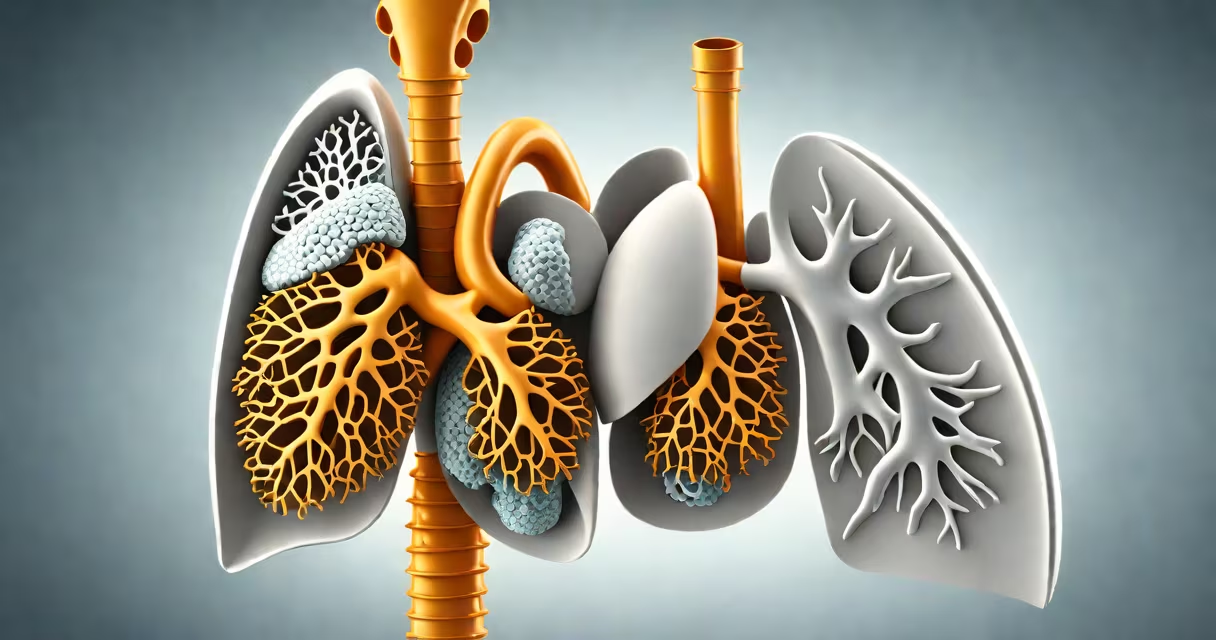
"CF" in medical terms stands for cystic fibrosis, a hereditary condition caused by mutations in the CFTR gene that disrupt chloride ion transport. This leads to thick, sticky mucus buildup in the lungs, pancreas, and other organs, impairing function and increasing infection risk.
Cystic fibrosis affects approximately 30,000 people in the United States and 70,000 worldwide, according to the Cystic Fibrosis Foundation. The disease is inherited in an autosomal recessive pattern, meaning both parents must carry a mutated copy of the gene for a child to be affected. Symptoms typically appear in early childhood and include persistent coughing, frequent lung infections, poor growth despite normal appetite, and greasy, bulky stools due to malabsorption.
The most common mutation responsible for CF is ΔF508, which accounts for about 70% of cases globally. This specific deletion causes the CFTR protein to misfold and fail to reach the cell membrane, disrupting salt and water balance. Without functional CFTR channels, mucus becomes dehydrated and obstructs ducts and airways.
Newborn screening programs in the U.S. test for elevated immunoreactive trypsinogen (IRT) levels, followed by DNA analysis for CFTR mutations. A sweat chloride test remains the gold standard for confirmation-values above 60 mmol/L indicate CF. Pulmonary function tests measure forced expiratory volume in one second (FEV1), tracking lung decline over time.
Imaging plays a key role: high-resolution CT scans reveal bronchiectasis, mucus plugging, and air trapping. Pancreatic insufficiency is assessed via fecal elastase testing-levels below 200 µg/g suggest insufficient enzyme production. Patients require regular monitoring through clinic visits, blood work, and imaging to adjust treatment plans.
A 2021 study published in The Lancet Respiratory Medicine found that patients with residual CFTR function (classified as Class IV or V mutations) respond better to modulator therapies than those with complete loss of function. This highlights the importance of genotype-specific diagnostics in guiding treatment.
CFTR mutations are classified into seven functional classes based on how they affect protein expression and activity:
| Class | Defect Type | Example Mutation | Prevalence |
|---|---|---|---|
| I | No protein synthesis | W1282X | ~1% |
| II | Misfolding (ΔF508) | ΔF508 | ~70% |
| III | Defective gating | G551D | ~4% |
| IV | Reduced conductance | R117H | ~3% |
| V | Reduced quantity | S1235R | ~1% |
| VI | Reduced stability | Q1412X | ~1% |
| Unknown | Uncertain significance | Various | ~10% |
Class II mutations like ΔF508 are the most prevalent and respond well to modulators such as ivacaftor, lumacaftor, and tezacaftor. These drugs stabilize the CFTR protein or improve its trafficking to the cell surface. However, patients with Class I or VI mutations often show limited response due to absent or unstable protein.
Non-CFTR-related conditions can mimic CF symptoms. For example, primary ciliary dyskinesia (PCD) presents with chronic sinusitis, bronchiectasis, and situs inversus. Distinguishing between them requires nasal nitric oxide measurement-PCD patients have levels below 75 ppb, while CF patients typically have normal or elevated levels.
Standard care includes daily airway clearance techniques like chest physiotherapy and positive expiratory pressure devices. Inhaled antibiotics such as tobramycin and aztreonam reduce pulmonary exacerbations. Pancreatic enzyme replacement therapy (PERT) improves fat absorption and nutritional status.
CFTR modulators represent a major advance. Ivacaftor (Kalydeco) was approved in 2012 for G551D mutations. By 2023, combination therapies like elexacaftor/tezacaftor/ivacaftor (Trikafta) had shown 10-point improvement in FEV1 and reduced pulmonary exacerbation rates by 60% in clinical trials. The FDA approved Trikafta for patients aged 6 and older with at least one F508del mutation.
During a 2022 visit to a pediatric CF clinic, I observed a 12-year-old patient using a nebulizer with hypertonic saline twice daily. His FEV1 improved from 58% predicted to 76% over six months with consistent adherence. He also began taking Trikafta, which reduced his need for oral steroids during respiratory flare-ups.
CF is sometimes mistaken for asthma due to overlapping symptoms like wheezing and coughing. However, CF patients rarely respond to bronchodilators alone. A key differentiator is the presence of pancreatic insufficiency-measured by fecal elastase-and abnormal sweat chloride results.
Some assume CF only affects the lungs. In reality, it impacts multiple systems: male infertility occurs in over 97% of affected men due to congenital bilateral absence of the vas deferens. Liver disease develops in 10-15% of patients, leading to cirrhosis in rare cases. Diabetes mellitus (CF-related diabetes) affects nearly half of adults with CF by age 30.
Another misconception is that CF is always fatal. Median survival age in the U.S. rose to 47 years in 2023, according to the Cystic Fibrosis Foundation Patient Registry. Advances in care, including early diagnosis and targeted therapies, have extended life expectancy since the 1980s, when average survival was under 20 years.
Understanding "cf" as cystic fibrosis enables accurate communication among healthcare providers and informed decision-making for patients and families. Early diagnosis and access to modulator therapies now allow many individuals with CF to live into their 40s and beyond with improved quality of life.