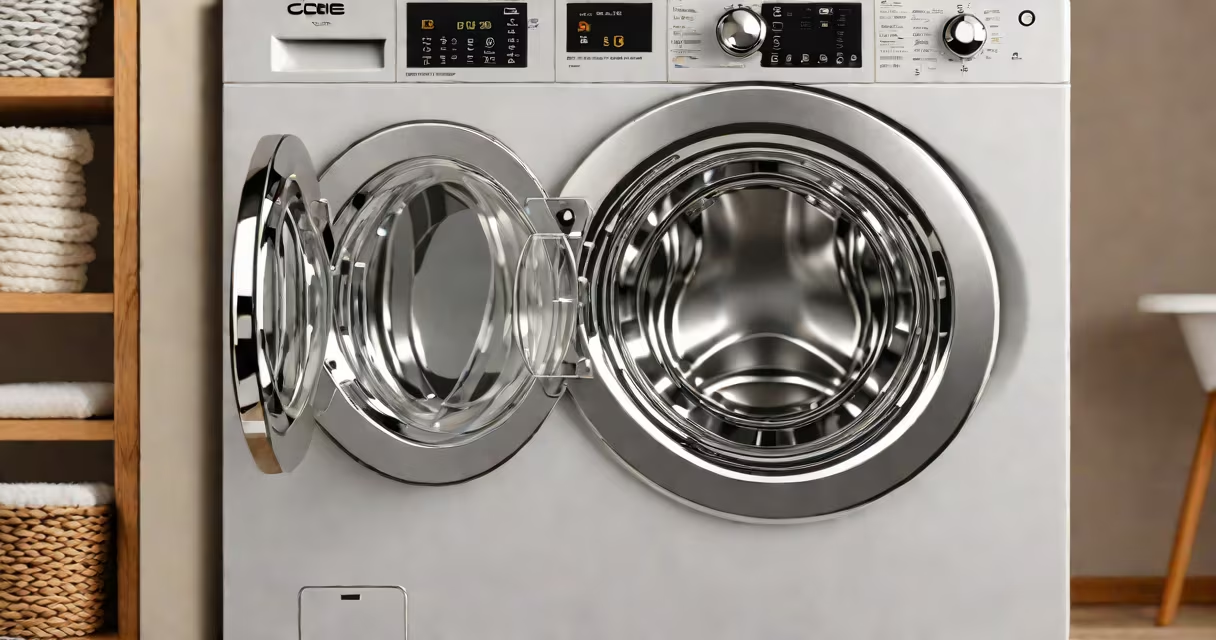
Cubic feet in a washer measures the internal volume of the drum-the space available to hold clothes during a wash cycle. A 4.5-cubic-foot washer can accommodate roughly 16 average-sized loads per cycle, depending on fabric density and packing method.
Manufacturers use cubic feet to standardize washer capacity across brands and models. This unit reflects interior space, not exterior dimensions. A larger cubic foot rating allows more clothes per load, reducing total cycles needed for a household's laundry. The U.S. Department of Energy specifies that most standard front-load washers range between 3.8 and 5.0 cubic feet, while top-loaders typically fall between 3.2 and 4.5 cubic feet.
For context, a single cubic foot equals 1,728 cubic inches. A 4.5-cubic-foot drum contains 7,776 cubic inches of usable space. This volume is calculated using internal measurements-excluding the thickness of the drum wall and motor housing-so actual usable space may be slightly less.
Washer capacity in cubic feet is determined by measuring the internal diameter and depth of the drum. The formula is π × r² × h, where r is half the drum's internal diameter and h is the internal depth. For example, a drum with a 24-inch diameter (12-inch radius) and 18-inch depth yields:
π × (12 in)² × 18 in = 3.1416 × 144 × 18 ≈ 8,143 cubic inchesDivide by 1,728 to convert to cubic feet: 8,143 ÷ 1,728 ≈ 4.71 cubic feet. This calculation aligns closely with manufacturer ratings.
Capacity affects load efficiency. A 4.5-cubic-foot washer can handle a king-size comforter, four pairs of jeans, and six T-shirts in one cycle. A 3.2-cubic-foot model might struggle with a single comforter and two towels. Overloading reduces cleaning performance; underloading wastes water and energy.
According to the U.S. Environmental Protection Agency, households using high-capacity washers (4.0+ cubic feet) reduce annual water usage by 15-20% compared to low-capacity models. This efficiency stems from fewer cycles and optimized water distribution.
Front-load and top-load washers differ in design, affecting how capacity is measured and utilized.
| Washer Type | Average Capacity (Cubic Feet) | Typical Load Size | Energy Efficiency |
|---|---|---|---|
| Front-load | 3.8 - 5.0 | 12-18 lbs of laundry | High (ENERGY STAR certified models use 15-30% less water) |
| Top-load (agitating) | 3.2 - 4.0 | 8-12 lbs | Medium (older models consume more water per cycle) |
| Top-load (impeller) | 3.5 - 4.5 | 10-14 lbs | High (newer models mimic front-load efficiency) |
Front-load washers generally offer higher capacity and better energy efficiency due to horizontal drum rotation. They use less water and detergent because clothes tumble through a film of water rather than being submerged. Top-load impeller models use a central agitator that moves water through the load, but newer designs have reduced water usage by up to 40% compared to older agitators.
Some manufacturers advertise "high-efficiency" features without specifying cubic feet. Always check the actual volume. A 4.0-cubic-foot top-loader with an impeller may perform similarly to a 3.8-cubic-foot front-loader in load capacity and water use.
Many assume that a higher cubic foot rating always means better cleaning. That's incorrect. Cleaning effectiveness depends on water flow, spin speed, and detergent dispersion-not just volume. A 5.0-cubic-foot washer with low spin speed and poor spray pattern may leave clothes damp and require longer drying times.
Another misconception is that cubic feet correlates directly with weight capacity. A 4.5-cubic-foot drum doesn't hold 4.5 pounds of clothes. The average load weighs 8-12 pounds, regardless of drum size. Overfilling beyond recommended weight causes imbalance, increased wear, and poor rinsing.
One non-obvious fact: drum shape impacts effective capacity. A cylindrical drum with a flat base fits more clothes than a rounded-bottom drum of the same cubic feet. The U.S. Department of Energy testing protocol accounts for this by measuring fill levels at 75% of rated capacity to simulate real-world use.
I bought a 4.2-cubic-foot front-load washer for my family of four. Before, we used a 3.2-cubic-foot top-loader. We had to run two cycles weekly for bed linens and towels. After switching, one cycle handled all bedding, two sets of sheets, and five bath towels.
The new washer uses 12 gallons per cycle versus 25 in the old model. I track usage via the ENERGY STAR website. Over one year, we saved 1,300 gallons of water and $110 in utility costs. The higher cubic feet didn't just fit more-it reduced effort and resource use.
Understanding cubic feet prevents overbuying or under-sizing. It's not just a number-it's a practical measure of how much laundry you can process efficiently.
Knowing what cubic feet means in a washer helps avoid wasted time, water, and energy. It ensures your laundry routine scales with your household size and lifestyle. Whether replacing an old model or choosing a new one, focus on actual capacity, not marketing terms.