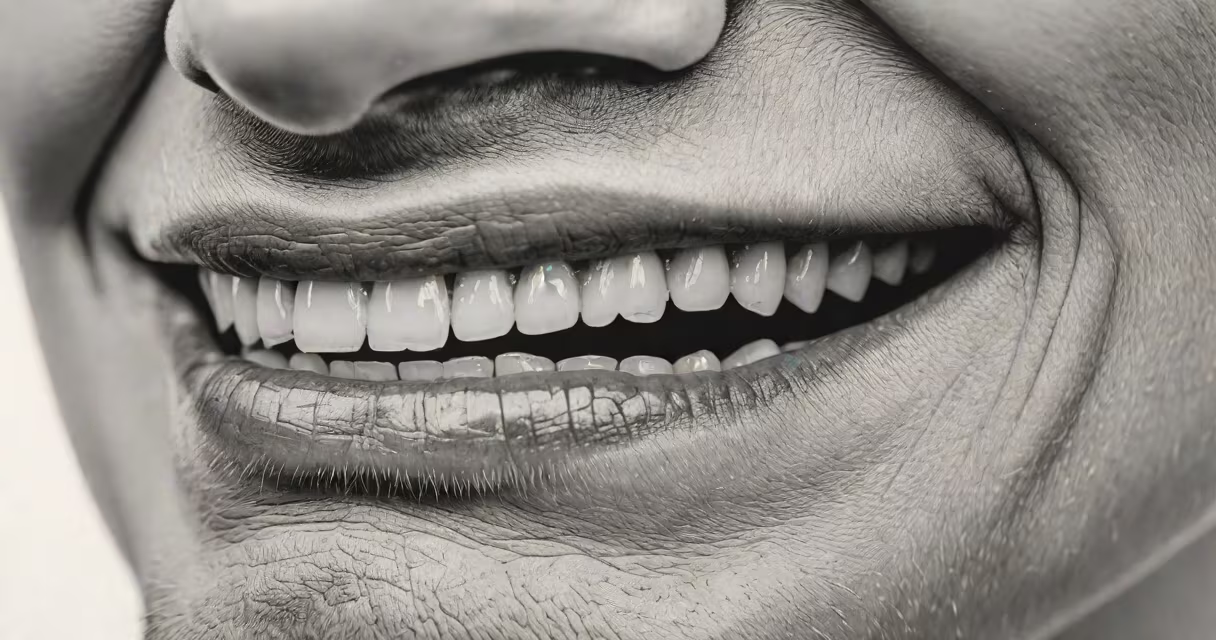
Grinding your teeth, medically known as bruxism, is the involuntary clenching, grinding, or gnashing of teeth, often occurring during sleep or under stress. It can cause tooth wear, jaw pain, and disrupted sleep. The condition affects about 8-10% of adults and 14% of children, according to the American Academy of Sleep Medicine.
Bruxism typically happens during REM sleep or periods of high stress. The jaw muscles contract forcefully, producing sounds audible to a bed partner. Over time, this habit wears down enamel, increases tooth sensitivity, and may lead to temporomandibular joint (TMJ) disorders. A 2021 study in JAMA Otolaryngology-Head & Neck Surgery found that chronic bruxism correlates with higher rates of TMJ pain and tooth fracture.
Some people grind their teeth without knowing it. Others report waking with a sore jaw, headaches, or toothaches. The behavior may stem from neurological signals, stress, or misaligned teeth. Identifying the root cause is key to managing symptoms effectively.
The act begins with hyperactivity in the trigeminal nerve, which controls jaw movement. When this nerve fires excessively during sleep or under mental strain, the masseter and temporalis muscles contract repeatedly. These contractions can generate forces up to 250 pounds per square inch-over twice the pressure of normal chewing.
During wakeful episodes, stress triggers the release of cortisol and adrenaline. These hormones increase muscle tension, including in the jaw. People who work long hours, have anxiety disorders, or consume stimulants like caffeine are more likely to exhibit awake bruxism. A 2019 review in Neuroscience & Biobehavioral Reviews linked elevated cortisol levels to increased bruxism frequency in adults.
At night, the brain may misinterpret sensory feedback from the jaw as needing adjustment. This leads to micro-movements that repeat throughout the sleep cycle. Without awareness, the pattern continues until interrupted by a dentist or sleep study.
There are two primary forms: awake bruxism and sleep bruxism. Awake bruxism occurs during the day and is often tied to concentration, anxiety, or frustration. Sleep bruxism happens during sleep and is associated with sleep apnea, restless leg syndrome, and certain medications.
| Type | Timing | Common Triggers | Prevalence |
|---|---|---|---|
| Awake bruxism | Daytime | Anxiety, stress, focus, caffeine | ~60% of cases |
| Sleep bruxism | Nighttime | Stress, sleep apnea, medication side effects | ~40% of cases |
Children often outgrow sleep bruxism, but persistent grinding past age 12 warrants evaluation. Adults with untreated sleep bruxism face a 30% higher risk of requiring dental crowns or root canals due to enamel erosion, per the National Institute of Dental and Craniofacial Research.
Many assume teeth grinding only happens during sleep. But awake bruxism is equally common and often goes unnoticed. You might clench your jaw while working, driving, or watching TV-without realizing it.
Another misconception is that grinding always causes pain. Some individuals grind for years with no discomfort. However, even asymptomatic grinding can erode enamel. A 2020 study in Journal of Oral Rehabilitation showed that 42% of patients with no reported pain had measurable tooth wear on dental X-rays.
People also confuse bruxism with teeth chattering from cold. Chattering is rapid, small movements caused by shivering. Grinding involves sustained, forceful clenching. The sound differs too: grinding produces a low grinding or crunching noise; chattering is quick, high-pitched tapping.
In 2022, a 34-year-old software developer reported waking with jaw stiffness and tooth sensitivity. He hadn't noticed grinding until his partner mentioned hearing "crunching" at night. A dental exam revealed 2 mm of enamel loss on his molars and a fractured cusps on two premolars.
He was diagnosed with sleep bruxism after a polysomnography confirmed episodes of jaw muscle activity lasting 15-30 seconds, occurring 12 times per hour. His dentist prescribed a custom-fitted night guard and referred him to a sleep specialist. After six months of consistent use, his symptoms resolved, and follow-up imaging showed no further enamel degradation.
This case illustrates that bruxism can progress silently. Early detection prevents irreversible damage. The American Dental Association recommends routine screening for bruxism during biannual dental visits.
Managing bruxism requires addressing both physical and behavioral factors. A custom night guard, worn during sleep, reduces tooth wear by absorbing impact. These guards are more effective than over-the-counter versions, which can alter bite alignment if poorly fitted.
Stress reduction techniques such as mindfulness meditation, progressive muscle relaxation, and cognitive behavioral therapy (CBT) lower daytime clenching. A 2021 clinical trial published in Behavioral Sleep Medicine found that participants using CBT reduced bruxism episodes by 58% over eight weeks.
For those with sleep-related bruxism, treating underlying conditions like obstructive sleep apnea improves outcomes. Continuous positive airway pressure (CPAP) therapy has been shown to reduce bruxism events by up to 70% in patients with moderate-to-severe apnea.
Grinding your teeth is not just a bad habit-it's a physiological response with real consequences. Ignoring it risks permanent dental damage. Recognizing the signs early and seeking care can stop progression before irreversible harm occurs.