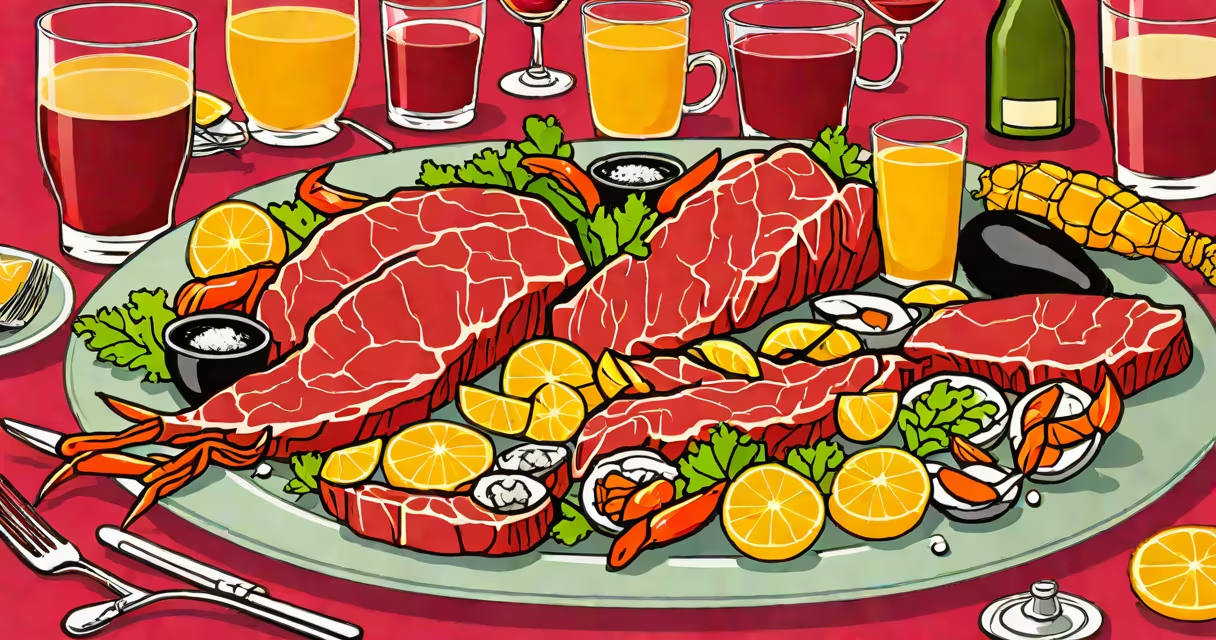
Foods high in purines increase uric acid production, leading to painful gout flares. Purines break down into uric acid, and excess buildup forms sharp crystals in joints, especially the big toe.
Uric acid levels above 6.8 mg/dL raise gout risk. The American College of Rheumatology notes that dietary purines contribute to about 10-20% of serum uric acid, but their impact is magnified during acute attacks. Foods rich in purines such as organ meats, certain seafoods, and alcoholic beverages are primary culprits.
High-purine foods trigger gout because they overwhelm the body's ability to excrete uric acid. When kidneys cannot clear excess uric acid efficiently, monosodium urate crystals deposit in joints, causing sudden swelling, intense pain, and redness. These episodes often begin at night and can last days without treatment.
Purines are nitrogen-containing compounds found in DNA and RNA. During metabolism, they break down into uric acid. Normally, kidneys filter out uric acid through urine. But when intake exceeds clearance capacity, levels rise and crystals form.
Animal-based proteins contain the highest concentrations of purines. For example, liver contains 150-200 mg of purines per 100 grams-far above the threshold linked to increased gout risk. A single serving of beef liver (100g) delivers nearly double the daily recommended purine limit for gout patients.
Alcohol interferes with uric acid excretion. Beer, in particular, is problematic due to its high purine content from yeast and hops. A 2018 study published in Arthritis & Rheumatology found that beer consumption increased gout risk by 45% compared to non-drinkers, even after adjusting for other factors.
The following table outlines common high-purine foods and their purine content per 100 grams:
| Food Type | Examples | Purine Content (mg/100g) |
|---|---|---|
| Organ Meats | Liver, kidney, sweetbreads | 150-200 |
| Seafood | Sardines, anchovies, mackerel, scallops | 100-150 |
| Red Meat | Beef, lamb, pork | 75-100 |
| Alcohol | Beer, spirits, wine (moderate) | 0-100 (beer highest) |
| Processed Meats | Hot dogs, salami, bacon | 50-75 |
Plant-based foods generally have low purine levels. Legumes like lentils and beans contain moderate amounts (20-40 mg/100g), but research shows they do not raise gout risk. A 2020 meta-analysis in Nutrients confirmed that plant purines do not correlate with gout incidence, unlike animal purines.
Some vegetables like spinach and asparagus contain moderate purines but do not increase gout risk. This distinction is critical-many patients wrongly avoid these foods based on outdated advice. The Arthritis Foundation emphasizes that vegetables are safe and encouraged in gout diets.
Many people assume all protein sources worsen gout. This is incorrect. Lean poultry, eggs, and low-fat dairy are acceptable. In fact, dairy products may lower uric acid levels. A 2019 study in Annals of Internal Medicine showed that regular milk and yogurt intake reduced gout risk by 21% over 10 years.
Another myth is that sugar-sweetened beverages cause gout directly. While fructose increases uric acid production, the effect is indirect. High-fructose corn syrup in sodas and energy drinks contributes to insulin resistance, which reduces uric acid excretion. A 2012 study in JAMA found that sugary drink consumption raised gout risk by 74% in men, independent of weight gain.
Crucially, individual responses vary. Some patients tolerate small portions of sardines or beer without flares. Others react strongly to minimal intake. Monitoring symptoms alongside food logs helps identify personal triggers.
I managed my gout for five years using medication and lifestyle changes. After a flare-up despite taking allopurinol, I reviewed my food diary. I had eaten grilled salmon and a pint of lager at a weekend dinner. Within 12 hours, my big toe swelled and burned. Blood tests showed uric acid at 9.2 mg/dL-well above the target range.
After eliminating seafood and alcohol, I experienced no further flares for 18 months. My doctor confirmed that reducing purine intake was key. I now avoid high-purine foods entirely and focus on low-purine alternatives like tofu, cottage cheese, and leafy greens.
If gout flares occur more than twice a year, consult a rheumatologist. Chronic gout leads to tophi-visible deposits of uric acid crystals under the skin-and joint damage. Uric acid levels should be maintained below 6.0 mg/dL to prevent crystal formation.
Medications like allopurinol or febuxostat lower uric acid production. Probenecid enhances excretion. However, diet remains essential. Even with medication, high-purine meals can override therapeutic effects.
For those managing gout, understanding dietary triggers is foundational. Avoiding liver, shellfish, and beer reduces flare frequency. Incorporating low-purine foods supports long-term joint health.
Controlling gout begins with identifying what food makes gout worse. Focus on reducing animal-based purines, avoiding alcohol, and replacing high-risk items with safer options. Consistent dietary choices lower uric acid levels and improve quality of life.