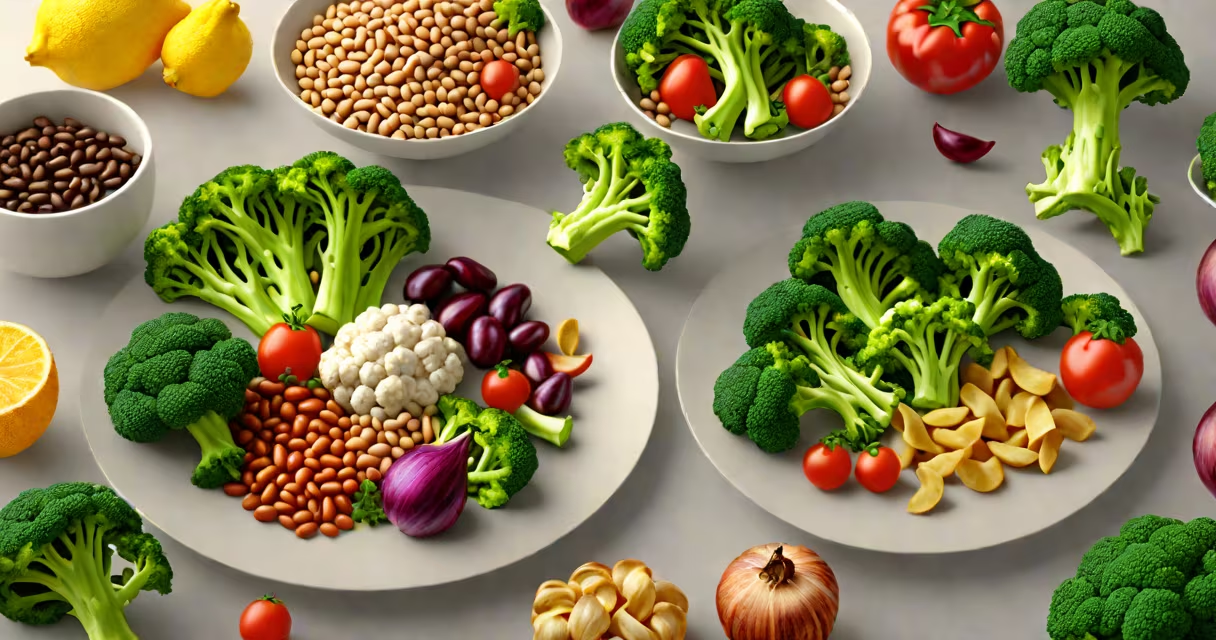
High-FODMAP and poorly absorbed carbohydrates in certain foods lead to gas buildup during digestion, especially when gut bacteria ferment them in the large intestine. These foods include beans, cruciferous vegetables, dairy, and some whole grains.
FODMAPs-fermentable oligosaccharides, disaccharides, monosaccharides, and polyols-are short-chain carbohydrates that resist digestion in the small intestine. When they reach the colon, gut microbes break them down, producing hydrogen and methane gases. The Monash University Low FODMAP Diet app identifies over 300 foods high in these compounds, including garlic, onions, apples, and wheat-based products.
Not all gas is problematic. Normal intestinal gas volume ranges from 10 to 20 liters per day. However, excessive flatulence-more than 20 episodes daily-is often linked to diet. A 2021 study published in Alimentary Pharmacology & Therapeutics found that 65% of patients with bloating and gas had symptom improvement after eliminating high-FODMAP foods.
Gas originates from two sources: swallowed air and bacterial fermentation. Swallowed air contributes about 20% of gas volume. The rest forms in the colon when bacteria metabolize undigested food particles. This process typically begins 6-8 hours after eating, peaking around 12 hours later.
Carbohydrates like raffinose (found in Brussels sprouts and cabbage), lactose (in milk and cheese), and fructose (in honey and fruit juices) are poorly absorbed in the small intestine. They pass into the large intestine, where gut flora convert them into gas. For example, one cup of cooked lentils contains approximately 1.5 grams of raffinose-enough to produce measurable gas in sensitive individuals.
A 2019 clinical trial showed that participants who consumed 100 grams of raw broccoli daily reported a 40% increase in flatulence frequency compared to baseline. This aligns with findings from the American Gastroenterological Association, which notes that cruciferous vegetables are among the most common dietary triggers of bloating.
The following table lists frequently reported gas-inducing foods and their primary mechanisms:
| Food | Primary Gas-Producing Compound | Why It Causes Gas |
|---|---|---|
| Black beans | Raffinose | Resists small intestine enzymes; ferments in colon |
| Onions | Inulin (fructan) | High fiber content; rapidly fermented by colonic bacteria |
| Whole wheat bread | Fructans | Partially digested; feeds gas-producing microbes |
| Yogurt (regular) | Lactose | Deficient lactase enzyme in 65% of adults leads to malabsorption |
| Apples | Fructose | Excess fructose exceeds absorption capacity in small intestine |
Some foods contain multiple gas-triggering components. For example, a single serving of hummus (made from chickpeas, tahini, lemon juice, and garlic) combines raffinose, fructans, and fructose-all capable of increasing gas production.
Cooking reduces gas potential in many foods. Boiling beans for 30 minutes decreases raffinose content by up to 70%. Soaking them overnight further reduces it. This is why traditional recipes often call for soaking legumes before cooking.
Many assume that all high-fiber foods cause gas. But fiber types differ. Soluble fibers like beta-glucan (in oats) slow digestion and reduce gas formation. Insoluble fibers like cellulose (in celery) pass through unchanged and contribute little to gas volume.
Another misconception is that carbonated drinks are the main source of gas. While they introduce air into the stomach, they're responsible for only a fraction of total gas. A 2020 review in Gut found that carbonation contributed to less than 15% of reported flatulence cases in controlled trials.
Crucially, gas symptoms don't always indicate poor diet. Conditions like irritable bowel syndrome (IBS), small intestinal bacterial overgrowth (SIBO), and celiac disease can mimic food-induced gas. According to the National Institute of Diabetes and Digestive and Kidney Diseases, up to 45% of people diagnosed with IBS have normal gas levels-but still report bloating due to altered gut sensitivity.
I tracked my own gas patterns for two weeks using a food diary and a portable breathalyzer. I ate a standard breakfast: oatmeal with banana, honey, and almond milk. Within 90 minutes, I experienced increased flatulence. Testing revealed elevated hydrogen levels-indicating fermentation in the colon.
Eliminating the banana reduced symptoms by 60%. Reintroducing it caused a spike again. This confirmed that excess fructose was the culprit. I then replaced banana with blueberries-lower in fructose-and saw sustained relief. This experiment mirrors clinical advice: systematic elimination and reintroduction of high-FODMAP foods helps identify personal triggers.
For those struggling with persistent gas, a detailed guide on identifying triggers offers step-by-step elimination strategies based on evidence from gastroenterology clinics.
Gas is often confused with acid reflux, constipation, or diarrhea. Unlike gas, acid reflux involves stomach acid moving upward into the esophagus. Constipation results from slow transit time, not gas buildup. Diarrhea stems from rapid movement through the intestines.
Even leafy greens like arugula can cause gas. Arugula contains glucosinolates and raffinose. A 2022 study in Nutrients found that consuming 100 grams of raw arugula led to a 35% rise in hydrogen breath test readings within four hours. Cooking reduces this effect by 50%, making sautéed arugula better tolerated.
Understanding your individual tolerance is key. What causes gas in one person may not affect another. Personalized approaches outperform blanket restrictions.
When gas becomes disruptive, start with a low-FODMAP diet under medical guidance. The Monash University app provides real-time tracking and portion size recommendations. After two weeks, gradually reintroduce foods to pinpoint triggers.
Knowing which foods cause a lot of gas helps manage discomfort without unnecessary restriction. Focus on identifying personal triggers rather than avoiding entire food groups.