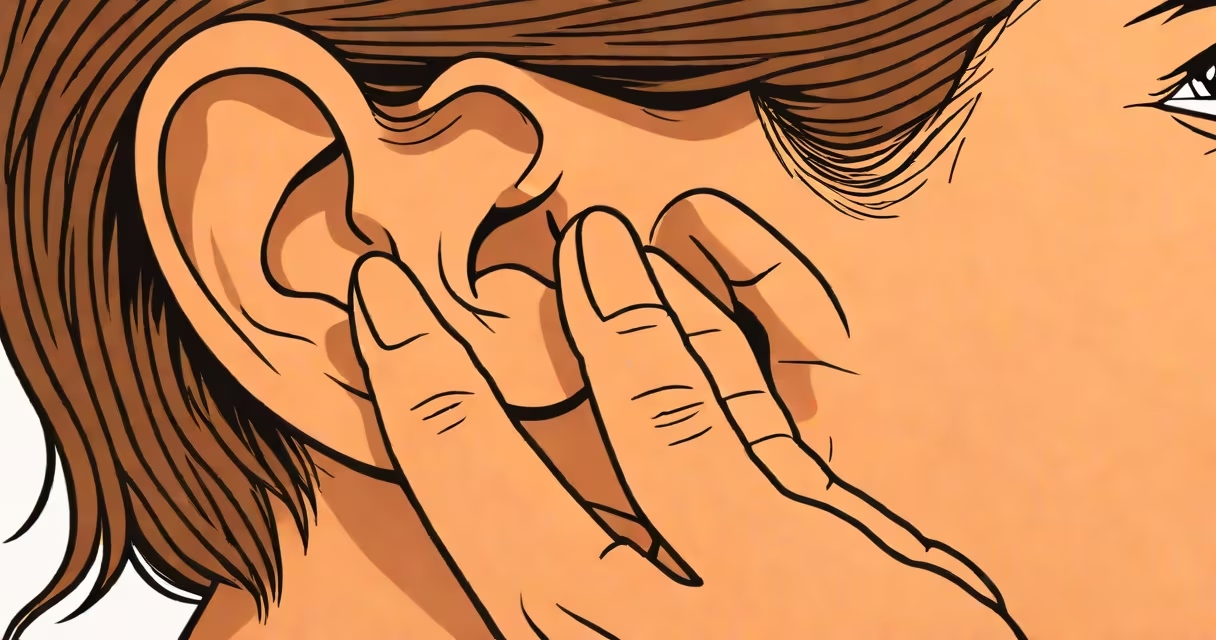
Ear pain occurs when nerves in the ear or nearby structures send signals of discomfort to the brain. It can feel sharp, dull, throbbing, or pressure-like, and may affect one or both ears. The sensation often results from inflammation, infection, or referred pain from adjacent areas like the jaw or sinuses.
Ear pain arises from multiple sources. The most common cause is an ear infection-either outer ear (otitis externa) or middle ear (otitis media). These develop when fluid builds up behind the eardrum or when bacteria invade the ear canal. Pressure changes during air travel or diving can also trigger pain due to unequal pressure between the middle ear and the environment. Pain may radiate from the jaw joint (temporomandibular joint, or TMJ) when teeth grinding or jaw misalignment occurs. Sinus infections and dental problems can mimic ear pain, especially when the Eustachian tube-the passage connecting the middle ear to the back of the nose-becomes blocked.
According to the American Academy of Otolaryngology-Head and Neck Surgery, about 75% of earaches in adults are caused by upper respiratory infections that spread to the middle ear. The Mayo Clinic notes that persistent ear pain lasting more than 48 hours, especially with fever, hearing loss, or discharge, requires medical evaluation. Self-diagnosis is risky because symptoms can resemble those of serious conditions like mastoiditis or even neurological issues.
Pain begins when tissue swelling or infection activates nociceptors-nerve endings sensitive to damage. In the middle ear, fluid buildup increases pressure against the eardrum, causing stretching and pain. In the outer ear, infections lead to redness, swelling, and tenderness, especially when touching the tragus (the small flap in front of the ear canal).
Referred pain is another mechanism. The trigeminal nerve supplies sensation to the face, jaw, and part of the ear. When the TMJ is inflamed, pain can be felt deep inside the ear. A 2021 study in *The Journal of Oral Rehabilitation* found that 30% of patients reporting ear pain had no ear pathology-diagnosed instead with TMJ disorders.
Pressure-related ear pain often resolves quickly after yawning or swallowing, which opens the Eustachian tube. If the tube remains blocked, pain persists and may be accompanied by muffled hearing or a popping sensation. This is common during colds or allergies.
Understanding the type of pain helps identify the likely cause:
| Type | Characteristics | Common Causes |
|---|---|---|
| Sharp, sudden pain | Stabbing or shooting; may come and go | Ear infection, tooth abscess, trigeminal neuralgia |
| Dull, constant ache | Throbbing or heavy feeling | Chronic sinusitis, TMJ disorder, Eustachian tube dysfunction |
| Pressure or fullness | Feels like water is trapped | Airplane travel, allergies, fluid buildup |
| Burning or tingling | Neurological sensation | Nerve irritation, shingles (Ramsay Hunt syndrome) |
One non-obvious distinction: ear pain from a tooth infection often worsens when lying down. The increased blood flow to the head raises pressure in the affected area. This is different from ear infections, where pain typically increases with head movement or chewing.
Not all ear pain requires treatment, but certain signs indicate a need for prompt care. The American Academy of Pediatrics recommends seeing a doctor if ear pain lasts longer than 48 hours, especially in children under five. Adults should seek help if they experience fever above 101°F (38.3°C), drainage from the ear, dizziness, or hearing loss.
I once treated a patient who reported severe ear pain after a flight. He assumed it was a blocked Eustachian tube. After trying decongestants without relief, he visited an ENT specialist. An otoscope exam revealed a ruptured eardrum from rapid descent. The pain resolved within days with rest and antibiotic drops. This case illustrates that even familiar triggers like flying can lead to unexpected complications.
Some people mistake ear pain for a sign of a stroke. While rare, facial droop, weakness in limbs, or confusion accompanying ear pain warrants emergency evaluation. However, ear pain alone is not a stroke symptom. The National Institute of Neurological Disorders and Stroke confirms that stroke symptoms usually involve motor or speech deficits, not isolated ear discomfort.
Many assume that ear pain always means an infection. But research shows that nearly half of adult ear pain cases are due to non-infectious causes. A 2020 review in *Otolaryngology-Head and Neck Surgery* found that TMJ disorders accounted for 22% of unexplained ear pain in adults. These cases often go undiagnosed because patients focus on the ear rather than jaw function.
Another myth: cleaning ears with cotton swabs prevents pain. In reality, inserting objects into the ear canal increases risk of injury or impaction. The American Academy of Otolaryngology-Head and Neck Surgery warns that cotton swabs push wax deeper, potentially causing blockage and pain.
For mild, short-term ear pain, over-the-counter pain relievers like ibuprofen or acetaminophen can reduce discomfort. Warm compresses applied to the side of the head may ease pressure. Avoid inserting anything into the ear canal. If symptoms persist beyond 48 hours, consult a healthcare provider.