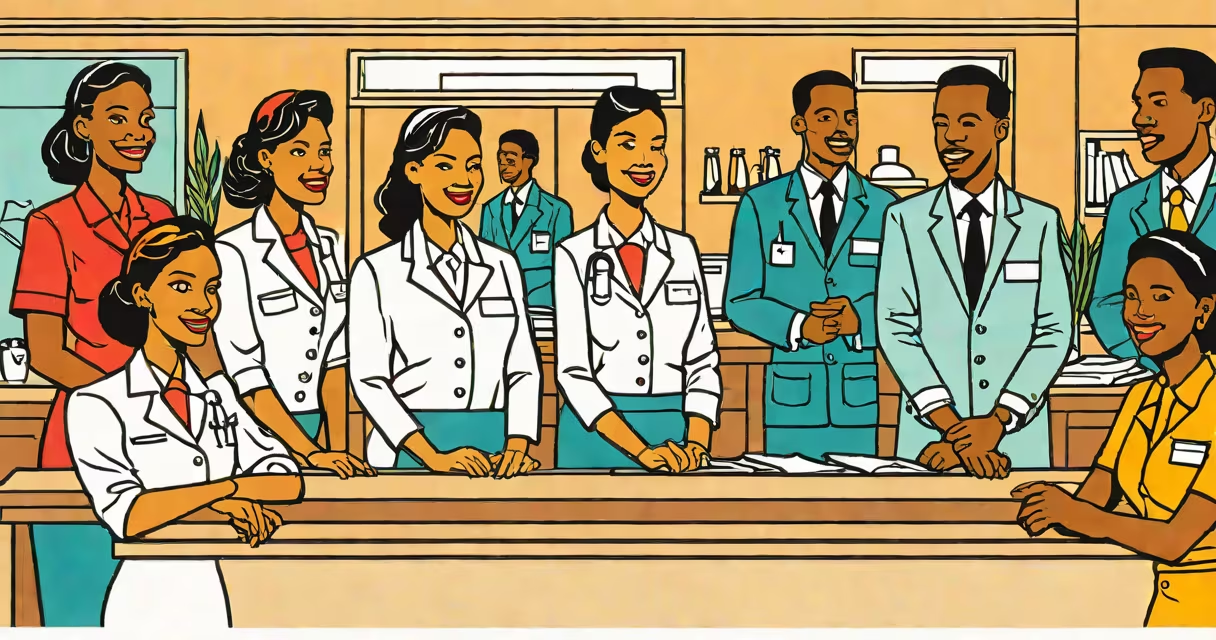
Working in hospitality means providing consistent, attentive service in environments like hotels, restaurants, event venues, and travel-related businesses-where guest satisfaction hinges on responsiveness, empathy, and problem-solving under pressure.
The core of hospitality work lies in managing human interactions. Employees greet guests, handle requests, resolve complaints, and ensure comfort-all while maintaining a calm, professional demeanor. This includes tasks like checking guests in, preparing meals, organizing events, or assisting travelers at airports. Success isn't measured by speed alone but by how well someone anticipates needs before they're voiced.
According to the U.S. Bureau of Labor Statistics, the hospitality industry employed over 12 million people in 2023, making it one of the largest private-sector employers in the country. Roles span entry-level positions such as front desk agents, servers, and housekeepers to specialized roles like concierges, event coordinators, and hospitality managers. These jobs require a blend of interpersonal skills, physical stamina, and adaptability to unpredictable situations.
Every interaction in hospitality is a chance to build trust. A server who remembers a guest's preferred drink, a hotel staff member who notices a guest left their umbrella behind, or a tour guide who adjusts timing due to weather-all demonstrate the subtle coordination required. These moments aren't scripted; they emerge from observation, memory, and emotional awareness.
Shifts often involve long hours, irregular schedules, and high guest volume. During peak seasons-such as holidays or major conferences-staff may work 12-hour days with minimal breaks. The physical demands are significant: standing for extended periods, lifting luggage, or moving quickly between stations. Yet, performance is judged not by endurance alone but by consistency in tone, clarity in communication, and attention to detail.
A real-world example: At a luxury resort in Miami, a front desk agent noticed a returning guest had booked the same room for five consecutive years. On check-in, she greeted him by name, mentioned his favorite view, and offered a complimentary upgrade based on loyalty status. The guest later wrote a five-star review highlighting "how personal the service felt." That level of recognition isn't automated-it results from deliberate attention to patterns in guest behavior.
Hospitality roles vary widely in responsibility, training, and daily tasks. The following table outlines common job types, required qualifications, and typical responsibilities.
| Role | Typical Qualifications | Daily Responsibilities |
|---|---|---|
| Front Desk Agent | High school diploma; basic computer literacy; customer service training | Check-ins/check-outs, handling reservations, resolving billing issues, directing guests |
| Server (Restaurant) | Food handler's permit; ability to multitask; knowledge of menu items | Taking orders, serving food, responding to dietary requests, managing tables during rush |
| Housekeeper | Physical stamina; familiarity with cleaning chemicals; attention to detail | Cleaning rooms, restocking supplies, reporting maintenance issues |
| Event Coordinator | Associate degree in hospitality or business; project management skills | Planning timelines, coordinating vendors, managing guest lists, troubleshooting on-site |
Many roles require certification-such as ServSafe for food handlers or CPR/first aid for childcare or resort staff. These credentials are not just formalities; they're essential for safety and compliance. For example, a server who fails to follow proper food storage procedures risks a health inspection violation that could shut down a restaurant.
People often assume hospitality work is low-skill or temporary. But research from Cornell University's School of Hotel Administration shows that 60% of hospitality workers have at least some college education, and many advance into management through internal promotions. The field isn't just about smiling-it's about strategic thinking, conflict resolution, and operational efficiency.
Another misconception: that hospitality is synonymous with "customer service." While both involve guest interaction, hospitality goes beyond transactional support. It focuses on creating memorable experiences. A customer service role might fix a broken printer; a hospitality role ensures the guest feels valued throughout their stay-even if nothing went wrong.
One non-obvious fact: Emotional labor-the mental effort required to maintain a positive demeanor-is central to hospitality. A 2021 study published in the Journal of Applied Psychology found that employees in high-emotion-demand roles like hotel receptionists reported higher burnout rates when they couldn't regulate their emotions. This isn't weakness-it's a known occupational risk. Organizations now train staff in emotional regulation techniques to reduce stress and turnover.
Working in hospitality differs from roles in tech or corporate finance. Unlike software developers who debug code in isolation, hospitality professionals operate in constant social exchange. They don't have quiet offices or predictable workflows. Instead, they manage shifting expectations, unexpected delays, and emotional reactions from guests.
For example, a server at a busy downtown bistro may serve 40 guests in a single shift, each with different preferences, allergies, and moods. A single mistake-like sending out the wrong dish-can trigger a complaint. The response isn't to apologize and move on; it requires immediate correction, compensation, and reassurance. This changing environment demands resilience, quick decision-making, and clear communication.
I once observed a hotel manager in New Orleans handle a guest's sudden room change during a hurricane warning. The guest was upset about losing their view. The manager didn't just offer a new room-he brought them a map of nearby shelters, a list of emergency contacts, and stayed on call for two hours. The guest later said, "I didn't care about the room-I cared that someone listened." That moment exemplifies the deeper purpose of hospitality: not just fulfilling a request, but restoring a sense of security.
While the term "hospitality" is sometimes used loosely-such as when companies describe their workplace culture as "welcoming"-true hospitality work involves measurable standards of care, accountability, and continuous feedback. It's not about being nice; it's about being effective in high-pressure, human-centered environments.
Understanding what it means to work in hospitality helps clarify why these roles are important. From the front desk to the kitchen, from airport lounges to wedding venues, hospitality professionals shape how people feel during key moments-travel, celebration, crisis, recovery. Their work is visible, demanding, and deeply human.