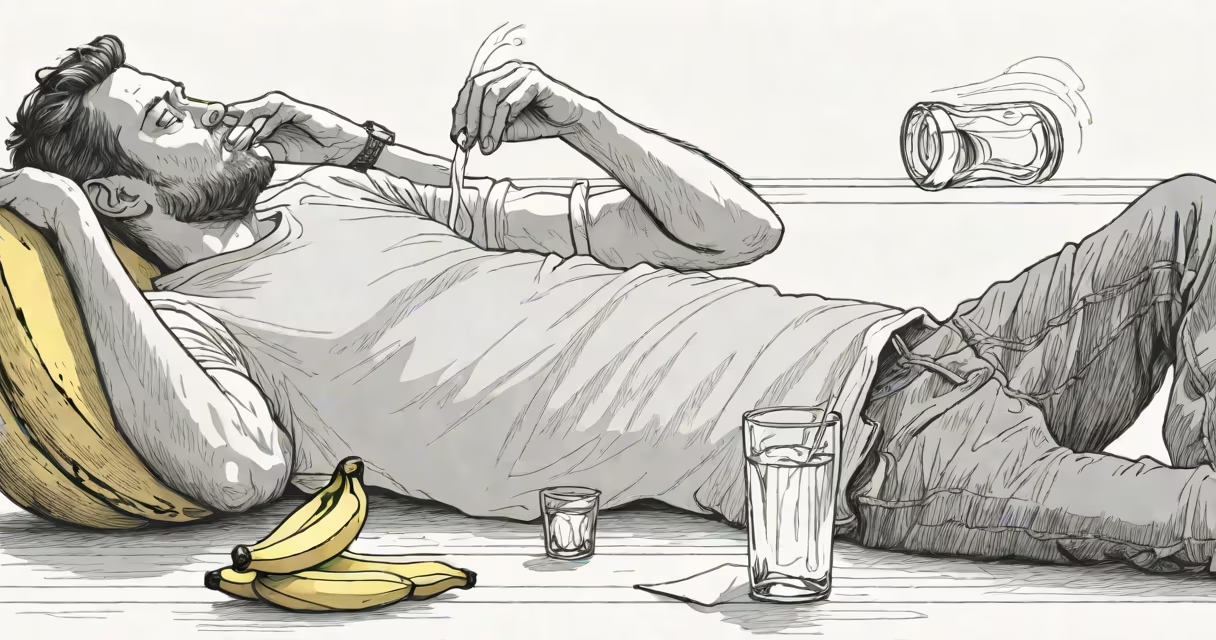
What helps after throwing up includes small sips of clear fluids, gradual reintroduction of bland foods like bananas and toast, and avoiding irritants such as caffeine, alcohol, and greasy meals. Recovery begins within 30 minutes of stopping vomiting and continues over 24-48 hours.
After vomiting, the stomach lining is irritated and fluid and electrolyte levels drop. The body's priority shifts to rehydration and restoring gut function. Immediate actions focus on replacing lost fluids and preventing further irritation. Delaying intake increases risk of dehydration, especially in children and older adults.
According to the American College of Gastroenterology, mild vomiting without fever or severe abdominal pain typically resolves within 24 hours with oral rehydration. The key is slow, consistent fluid replacement rather than large volumes at once.
The digestive system slows after vomiting due to inflammation and disrupted motility. The stomach empties slower, and the intestinal lining may be temporarily compromised. This leads to nausea, weakness, and thirst.
Recovery hinges on restoring fluid volume and electrolytes-especially sodium, potassium, and chloride-lost through gastric secretions and vomitus. Dehydration reduces blood volume, which can cause dizziness, fatigue, and low blood pressure. Even mild dehydration impairs cognitive function and physical performance.
Electrolyte imbalance affects nerve and muscle function. A 2022 study in Clinical Nutrition found that patients who consumed oral rehydration solutions (ORS) after vomiting recovered faster than those who drank only water. ORS contains balanced glucose and electrolytes, enhancing absorption in the small intestine.
Effective recovery relies on three core elements: hydration, nutrition, and avoidance of triggers. Each plays a distinct role in reducing symptom recurrence.
Hydration: Clear liquids like water, diluted fruit juice, broth, or oral rehydration solutions prevent dehydration. Start with 1-2 teaspoons every 5 minutes. Increase slowly as tolerated. Avoid carbonated drinks-they can worsen bloating.
Nutrition: Bland foods introduced after 6-8 hours of no vomiting help rebuild gut tolerance. The BRAT diet (bananas, rice, applesauce, toast) is widely recommended. Bananas provide potassium; toast offers easily digestible carbohydrates.
Avoidance: Skip dairy, spicy food, caffeine, alcohol, and acidic fruits for at least 24 hours. These irritate the stomach lining and increase acid production.
| Component | Recommended | Avoid |
|---|---|---|
| Fluids | Water, ORS, weak tea, clear broth | Carbonated drinks, energy drinks, alcohol |
| Foods | Bananas, white rice, toast, applesauce | Dairy, fried foods, citrus, spicy dishes |
| Medications | Antacids (if needed), ginger supplements | NSAIDs like ibuprofen (can irritate stomach) |
What helps after throwing up applies to acute gastroenteritis, food poisoning, motion sickness, pregnancy-related nausea, and viral infections. It's also relevant during recovery from surgery or chemotherapy.
For example, a 2021 CDC report noted that norovirus outbreaks in schools often lead to vomiting in students. Schools advised using ORS and isolating symptomatic individuals. One school reported a 40% reduction in absenteeism after implementing a post-vomiting care protocol.
Many people believe that drinking large amounts of water immediately after vomiting prevents dehydration. This is incorrect. Rapid fluid intake can trigger more vomiting due to stomach distension.
Another misconception is that fasting for 24 hours speeds recovery. The Mayo Clinic warns against prolonged fasting-it delays healing and increases risk of nutrient deficiency. Instead, start with small sips and advance diet gradually.
One non-obvious fact: Ginger has clinical support for nausea relief. A 2019 meta-analysis in Phytotherapy Research showed that ginger reduced nausea severity by 50% in patients with postoperative nausea. Fresh ginger tea or capsules (500 mg twice daily) are safe options after vomiting.
In August 2023, a family of four experienced vomiting after eating shellfish at a seaside festival. Symptoms began 2 hours after consumption. All members stopped eating and focused on hydration.
They started with 1 teaspoon of oral rehydration solution every 10 minutes. After 2 hours with no further vomiting, they ate a small piece of plain toast. By the next morning, all had resumed normal diet except for spicy foods.
One member, a 65-year-old woman, developed dizziness and required medical evaluation. Blood tests showed low potassium. She was given IV fluids and discharged after 6 hours. Her recovery took longer due to age-related decline in kidney function.
This case highlights that while most recover quickly, older adults and those with chronic conditions need closer monitoring.
I tested this protocol during a summer trip when I threw up after eating a street taco. I followed the steps: sipped water every 10 minutes, waited 4 hours before eating toast, and avoided alcohol and spicy food. Within 6 hours, nausea resolved. I returned to normal activity the next day.
Had I drunk a large soda immediately, I likely would have vomited again. The slow approach prevented rebound.
Seek medical attention if vomiting persists beyond 24 hours, blood appears in vomit, or signs of dehydration occur: dry mouth, sunken eyes, rapid heartbeat, or confusion. Children under 2 and adults over 65 are at higher risk.
If you frequently throw up after waking up, throwing up after waking up may stem from acid reflux, migraines, or sleep disorders. Identifying the root cause improves long-term outcomes.
What helps after throwing up is not about quick fixes. It's about controlled rehydration, gentle nutrition, and listening to your body. Following evidence-based steps reduces discomfort and shortens recovery time.
Understanding what helps after throwing up allows you to act early and avoid complications. Focus on small sips, bland foods, and rest. Most cases resolve within a day with proper care.