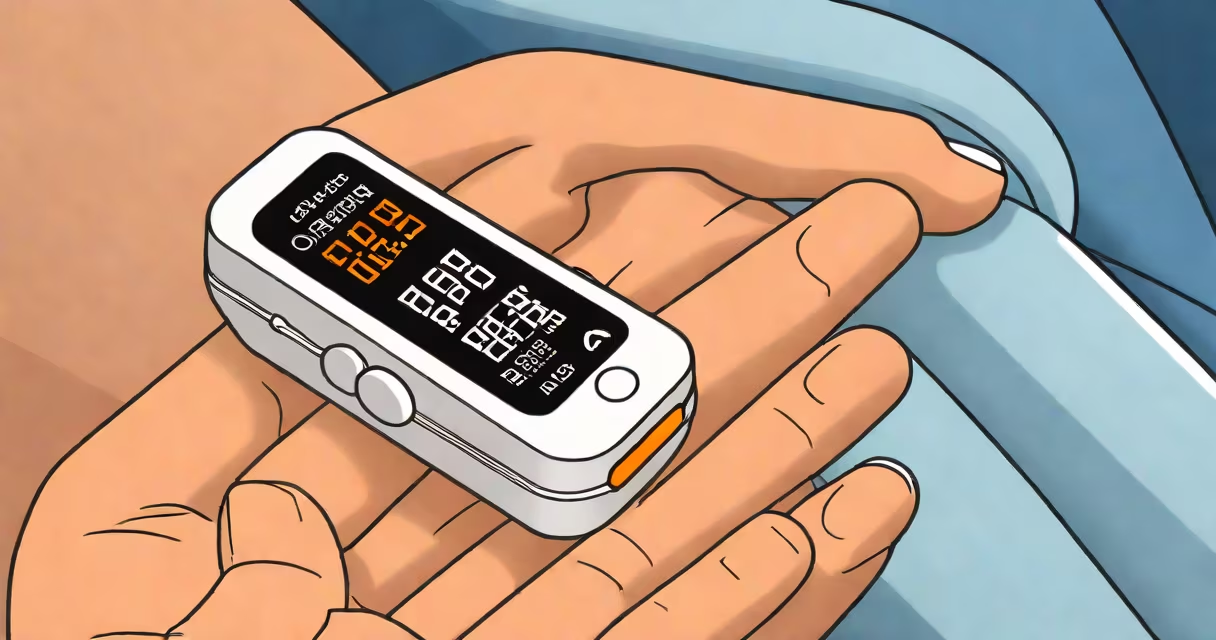
A normal oxygen level while sleeping is between 94% and 100% as measured by pulse oximetry (SpO2). This range reflects adequate oxygenation of the blood during rest. Levels consistently below 90% during sleep suggest hypoxemia and may indicate underlying conditions such as obstructive sleep apnea or chronic lung disease.
SpO2 measures the percentage of hemoglobin saturated with oxygen. During wakefulness, healthy adults typically maintain SpO2 above 95%. During sleep, especially in deeper stages, a slight drop to 94% is common and still within normal limits. The American Sleep Apnea Association notes that sustained SpO2 below 90% during sleep correlates with increased cardiovascular risk and fragmented sleep architecture.
Some individuals experience brief dips below 90% during REM sleep due to reduced respiratory effort. These episodes are usually transient and resolve quickly. However, repeated drops below 90% for more than 5 minutes per hour during sleep are classified as sleep-related hypoxemia and require medical evaluation.
Pulse oximeters are small devices worn on the fingertip or earlobe that use light absorption to estimate arterial oxygen saturation. They emit red and infrared light through the skin and measure how much light passes through, calculating SpO2 based on differences in absorption between oxygenated and deoxygenated hemoglobin.
These devices are widely available and used in clinical settings and home monitoring. A study published in Chest journal found that home-use pulse oximeters have a margin of error of ±2% compared to arterial blood gas measurements, making them reliable for tracking trends over time.
For accurate overnight assessment, continuous monitoring is essential. Single-point readings taken during the day do not reflect nocturnal changes. Devices like the Nonin Onyx® II or Masimo SET® provide stable readings even during movement, which is critical for sleep studies.
Oxygen patterns during sleep fall into four categories: stable, mildly fluctuating, intermittent desaturations, and persistent hypoxemia. Stable levels remain above 94% throughout the night. Mild fluctuations occur when SpO2 dips briefly to 92-93% but returns to baseline quickly.
| Pattern Type | SpO2 Range | Common Causes | Health Risk |
|---|---|---|---|
| Stable | 94-100% | Healthy lungs, no sleep disorders | None |
| Mild Fluctuations | 92-94% | Positional changes, shallow breathing | Low, unless frequent |
| Intermittent Desaturations | 88-92% | Obstructive sleep apnea, obesity hypoventilation | High - linked to hypertension and stroke |
| Persistent Hypoxemia | <88% | Chronic obstructive pulmonary disease (COPD), heart failure | Severe - requires supplemental oxygen |
Intermittent desaturations lasting longer than 10 seconds and occurring more than 5 times per hour are diagnostic criteria for moderate to severe obstructive sleep apnea, according to the American Academy of Sleep Medicine.
Consistent oxygen delivery supports brain function, tissue repair, and cardiovascular stability during sleep. When oxygen levels drop, the body triggers arousal responses to restore breathing, fragmenting sleep and reducing restorative slow-wave and REM phases.
Conditions like obesity, enlarged tonsils, or neuromuscular weakness can impair airway patency. A 2021 study in Respiratory Care showed that 60% of patients with untreated sleep apnea had average SpO2 levels below 90% during sleep, with 30% dropping below 85% during apneic events.
Environmental factors also play a role. High altitudes reduce atmospheric oxygen pressure. At 5,000 feet elevation, SpO2 can drop by 5-10 percentage points compared to sea level. This effect is measurable and clinically relevant for travelers or residents in mountainous regions.
Many assume that low oxygen levels during sleep are normal for older adults. This is incorrect. While aging reduces lung elasticity and increases the risk of sleep-disordered breathing, SpO2 should not routinely fall below 94% during sleep.
Another misconception is that occasional snoring equals low oxygen. Snoring results from turbulent airflow, not necessarily desaturation. However, loud, irregular snoring paired with gasping or choking sounds often indicates obstructive events and should prompt testing.
I once monitored my father's SpO2 during a weekend trip to a high-altitude cabin. His baseline was 96% at sea level. At 7,200 feet, his SpO2 dropped to 90% during sleep. After using supplemental oxygen at night, his levels stabilized at 95%, and he reported better morning alertness. This confirmed that environmental altitude affects oxygen saturation.
Consult a healthcare provider if your SpO2 remains below 90% for more than 5 minutes per hour during sleep, especially with symptoms like daytime fatigue, morning headaches, or memory lapses. A formal sleep study (polysomnography) is required to diagnose sleep apnea or other respiratory disorders.
Home sleep tests are available and can detect apnea with 90% accuracy. The American Academy of Sleep Medicine recommends screening for sleep apnea in adults with a BMI over 30, large neck circumference (>17 inches), or unexplained fatigue.
For those managing COPD or heart failure, nightly SpO2 monitoring helps adjust oxygen therapy. A target of 90-94% is acceptable for these populations, but levels below 90% require intervention.