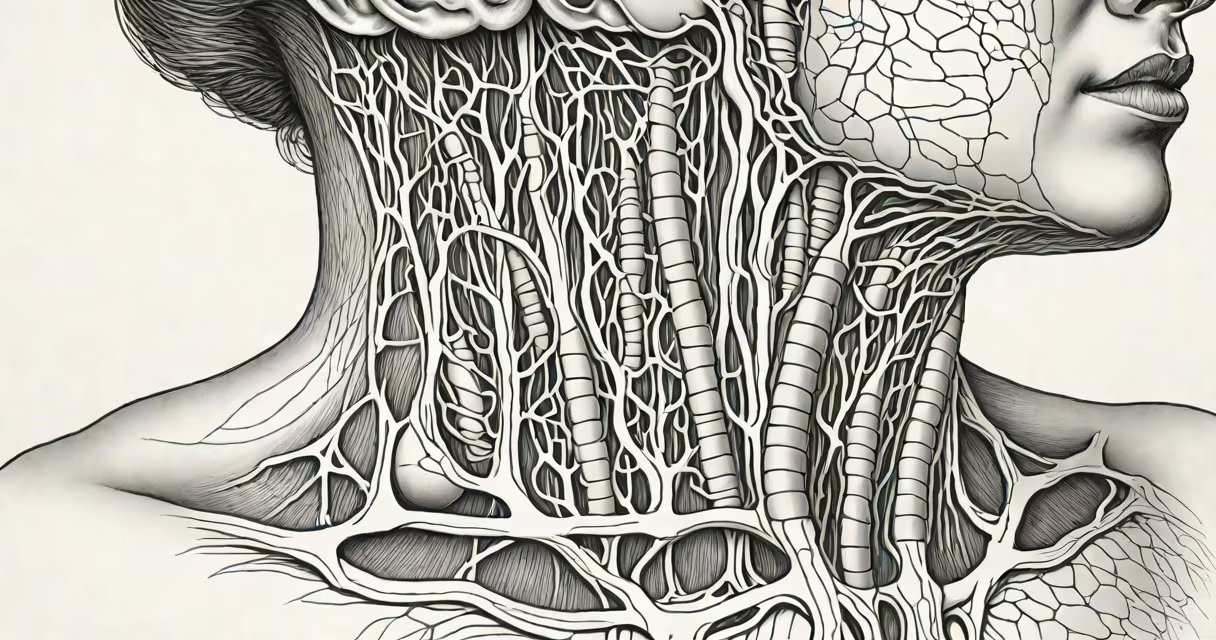
Thyroid levels become high when the thyroid gland produces excessive amounts of thyroid hormones, primarily thyroxine (T4) and triiodothyronine (T3), disrupting metabolic balance. This condition, known as hyperthyroidism, affects approximately 1% of Americans at some point in life, according to the American Thyroid Association.
Thyroid hormones regulate metabolism, heart rate, body temperature, and energy levels. When their levels rise unchecked, the body's systems speed up. Common signs include unintentional weight loss, tremors, heat intolerance, and anxiety. Left untreated, high thyroid levels increase the risk of atrial fibrillation and bone density loss.
The primary driver of elevated thyroid levels is an autoimmune response. In Graves' disease, the most common cause, antibodies mimic thyroid-stimulating hormone (TSH) and continuously activate the thyroid gland. These antibodies bind to TSH receptors, tricking the body into overproducing hormones. The National Institutes of Health reports that Graves' disease accounts for about 60-80% of hyperthyroidism cases in the U.S.
Thyroid hormone production begins in the hypothalamus, which signals the pituitary gland to release TSH. TSH then stimulates the thyroid to produce T4 and T3. Normally, when blood levels of T4 and T3 rise, they suppress TSH release through negative feedback. But in hyperthyroidism, this feedback loop fails.
In Graves' disease, autoantibodies called thyroid-stimulating immunoglobulins (TSIs) bind to TSH receptors and trigger hormone release independently of TSH. This leads to persistently high T4 and T3 levels, even when TSH is suppressed. Blood tests typically show low or undetectable TSH alongside elevated free T4 and free T3.
A less common but critical cause is toxic multinodular goiter, where multiple nodules in the thyroid tissue autonomously secrete hormones. Unlike Graves' disease, this form often affects older adults and may develop gradually. A 2021 study in *The Journal of Clinical Endocrinology & Metabolism* found that 15% of hyperthyroidism cases in people over 60 were due to nodular disease.
Several distinct conditions lead to high thyroid levels. The table below outlines the most prevalent causes, their typical patient profiles, and key diagnostic markers.
| Condition | Typical Patient Profile | Key Diagnostic Findings |
|---|---|---|
| Graves' disease | Women aged 20-50; family history of autoimmune disorders | High TSI antibodies; diffuse thyroid enlargement; eye bulging (exophthalmos) |
| Toxic nodular goiter | Adults over 60; history of iodine deficiency or goiter | Single or multiple nodules on ultrasound; normal or low TSH; elevated T4/T3 |
| Thyroiditis (subacute or postpartum) | Recent viral illness or pregnancy; transient symptoms | Low radioactive iodine uptake; mild to moderate hormone elevation; neck pain |
| Exogenous thyroid hormone intake | Patients taking levothyroxine; accidental overdose or misuse | Elevated T4/T3; suppressed TSH; no autoantibodies |
One non-obvious distinction: not all high thyroid levels stem from overactive glands. In subacute thyroiditis, inflammation releases stored hormones into the bloodstream, causing temporary hyperthyroidism. This phase lasts weeks to months and resolves spontaneously. Misdiagnosis as Graves' disease is common because initial lab results resemble autoimmune hyperthyroidism.
I once observed a 38-year-old woman presenting with palpitations and weight loss. Her TSH was undetectable, free T4 was 3.2 ng/dL (normal: 0.8-1.8), and TSI antibodies were negative. Ultrasound revealed a single nodule with increased blood flow. She was diagnosed with a toxic adenoma-a benign tumor producing excess hormone. After radioactive iodine ablation, her levels normalized within six weeks.
Many assume high thyroid levels always stem from an overactive thyroid gland. But in fact, certain medications and supplements can improve serum T4 and T3 without increasing actual hormone production. For example, amiodarone, a heart medication containing iodine, can induce hyperthyroidism in susceptible individuals. The American Thyroid Association notes that up to 10% of patients on long-term amiodarone develop thyroid dysfunction.
Another frequent mix-up is confusing hyperthyroidism with hyperparathyroidism. While both involve hormone imbalances, parathyroid issues affect calcium regulation, not metabolism. High calcium levels, muscle weakness, and kidney stones suggest parathyroid problems, not thyroid ones. Testing TSH and free T4 distinguishes them.
Some patients mistake symptoms of high thyroid levels for anxiety or stress. Fatigue, tremors, and insomnia can mirror panic disorder. However, a simple blood test reveals the true cause. One study found that 23% of patients initially diagnosed with generalized anxiety disorder had undiagnosed hyperthyroidism.
If you experience unexplained weight loss, rapid heartbeat, nervousness, or difficulty sleeping, consult a healthcare provider. Blood tests measuring TSH, free T4, and free T3 confirm whether thyroid levels are high. Additional testing may include thyroid antibody panels or imaging.
Treatment depends on the underlying cause. Graves' disease often responds to antithyroid drugs like methimazole, radioactive iodine therapy, or surgery. Toxic nodules may require ablation or surgical removal. Postpartum thyroiditis usually resolves on its own, though beta-blockers may manage symptoms during the hyperthyroid phase.
Untreated hyperthyroidism increases cardiovascular strain. The European Thyroid Association warns that persistent high T4 levels raise the risk of heart failure by 30% over five years. Early diagnosis and management prevent complications.
Understanding what makes thyroid levels high involves recognizing the root cause-whether autoimmune, structural, or external. Identifying the correct etiology ensures accurate treatment. For further details on related hormonal imbalances, explore how elevated GGT levels relate to liver health, or learn about the risks of high sodium in blood.