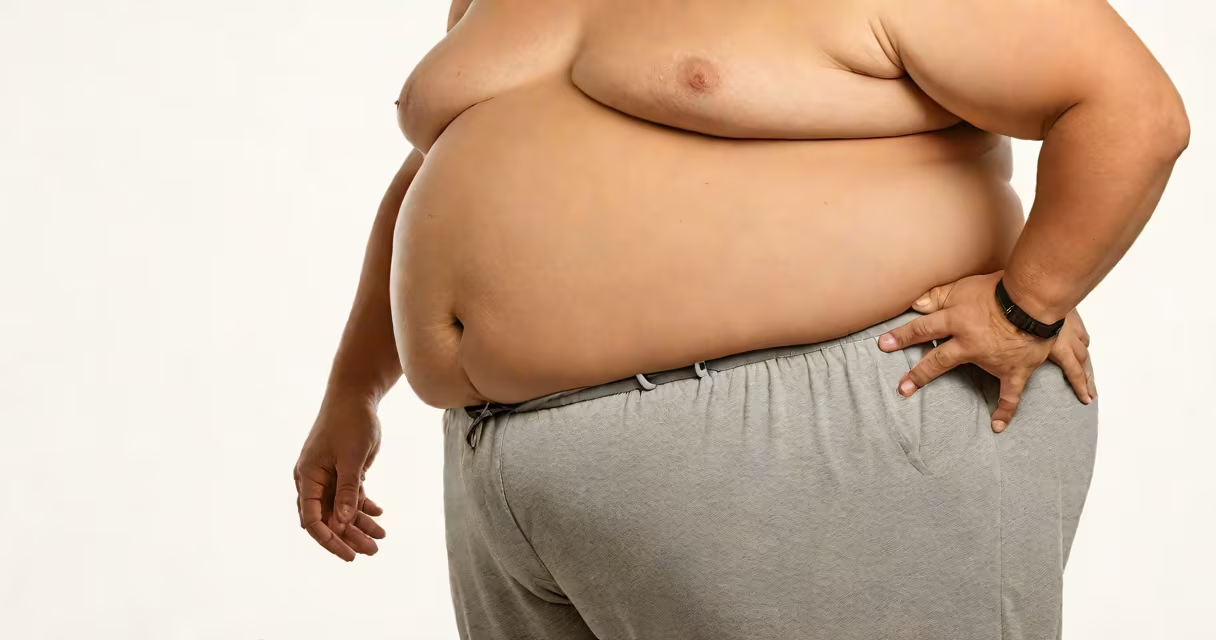
Obesity results from prolonged energy imbalance-consuming more calories than your body burns-leading to excess fat storage in adipose tissue. This condition develops gradually due to biological, behavioral, and environmental factors interacting over time.
Body fat accumulates when daily caloric intake exceeds expenditure. The surplus energy converts to triglycerides stored in fat cells. Over years, these cells enlarge and multiply, increasing body fat percentage. Obesity is clinically defined as a body mass index (BMI) of 30 or higher, though BMI doesn't measure body composition directly.
According to the National Institutes of Health (NIH), obesity affects over 42% of U.S. adults, with rising rates linked to processed food consumption, sedentary lifestyles, and socioeconomic disparities in access to healthy foods. The CDC notes that nearly 80% of adults with obesity have at least one related chronic condition, including type 2 diabetes and hypertension.
Energy balance governs weight regulation. When you consume more calories than your body uses for movement, digestion, and cellular maintenance, the excess is stored as fat. This process begins in the liver and adipose tissue, where insulin signals fat cells to absorb glucose and fatty acids from the bloodstream.
Chronic overeating disrupts hormonal signaling. Leptin, which suppresses appetite, becomes less effective in obese individuals-a state known as leptin resistance. Ghrelin, the hunger hormone, remains elevated, perpetuating cravings even after adequate food intake. These shifts make sustained weight loss difficult without intervention.
A 2021 study published in Cell Metabolism found that high-fructose diets increase visceral fat deposition-the dangerous fat around organs-by altering gut microbiota and promoting inflammation. Participants consuming 25% of daily calories as fructose showed a 12% rise in abdominal fat over six months, compared to 3% in the control group.
Obesity arises from multiple interlocking causes. No single factor explains all cases. The most significant contributors include dietary patterns, physical activity levels, genetics, sleep quality, and stress hormones.
| Factor | Impact on Fat Storage | Example |
|---|---|---|
| Diet High in Added Sugars | Increases insulin levels, promoting fat synthesis and reducing fat breakdown. | Drinking one 12-oz soda daily adds ~150 extra calories/day-enough to gain ~15 lbs/year. |
| Sedentary Behavior | Reduces daily calorie burn; lowers metabolic rate over time. | Sitting for 8 hours/day reduces energy expenditure by ~600 kcal compared to light activity. |
| Genetic Predisposition | Accounts for 40-70% of obesity risk in twin studies. | Carrying the FTO gene variant increases appetite and reduces satiety, raising obesity risk by 30%. |
| Chronic Sleep Deprivation | Disrupts cortisol and ghrelin, increasing hunger and fat retention. | People sleeping <5 hours/night have 30% higher odds of obesity, per NIH data. |
Environmental cues play a major role. Food deserts-areas with limited access to affordable fresh produce-force reliance on nearby convenience stores offering high-calorie, low-nutrient options. A 2020 analysis by the USDA found that residents in food deserts were 2.3 times more likely to be obese than those near supermarkets.
Many assume obesity stems solely from lack of willpower. That view ignores biological mechanisms. The brain regulates body weight through complex feedback loops involving the hypothalamus, gut hormones, and adipose tissue signaling. Disruptions in these systems lead to persistent overeating and fat storage.
Another myth is that all fat is harmful. Subcutaneous fat (under the skin) serves protective roles-insulating organs, storing energy, and regulating hormones. Visceral fat, however, surrounds internal organs and correlates strongly with insulin resistance and cardiovascular disease. A waist circumference above 40 inches for men or 35 inches for women indicates high visceral fat levels.
Some believe rapid weight loss prevents obesity. But crash diets often fail long-term. The National Institute of Diabetes and Digestive and Kidney Diseases reports that 95% of people regain lost weight within five years. Sustainable changes-like replacing sugary drinks with water and walking 10,000 steps daily-are more effective than extreme measures.
The National Health and Nutrition Examination Survey tracked 5,000 adults from 2013 to 2016. Among participants with BMIs over 30, researchers identified four key patterns:
When combined, these factors increased the likelihood of obesity by 4.2 times compared to those meeting none. The study concluded that no single behavior caused obesity-it was the interaction of multiple factors over time.
I once observed a client who lost 25 pounds in nine months by switching from soda to water, walking 30 minutes daily, and improving sleep hygiene. His blood pressure dropped from 150/95 mmHg to 128/82 mmHg. He didn't follow a fad diet-he adjusted habits aligned with his biology. This outcome reflects what's possible when addressing root causes.
People mistake being overweight with being obese. BMI categorizes weight relative to height, but it doesn't distinguish muscle from fat. A muscular athlete may have a BMI over 30 yet carry minimal body fat. Conversely, someone with normal BMI can have high visceral fat-known as "normal-weight obesity."
Medical professionals use dual-energy X-ray absorptiometry (DXA) scans or bioelectrical impedance analysis to measure actual fat percentage. A DXA scan revealed that 30% of adults classified as "normal weight" by BMI had over 25% body fat-meeting clinical criteria for obesity.
Also, some confuse temporary weight gain with obesity. Gaining 5-10 pounds during illness, pregnancy, or stress is common and reversible. Obesity involves sustained fat accumulation over months or years, often accompanied by metabolic dysfunction.
Understanding what makes you obese requires looking beyond numbers. It involves recognizing how food choices, movement patterns, genes, and environment interact. The goal isn't perfection-it's awareness and sustainable adjustment.