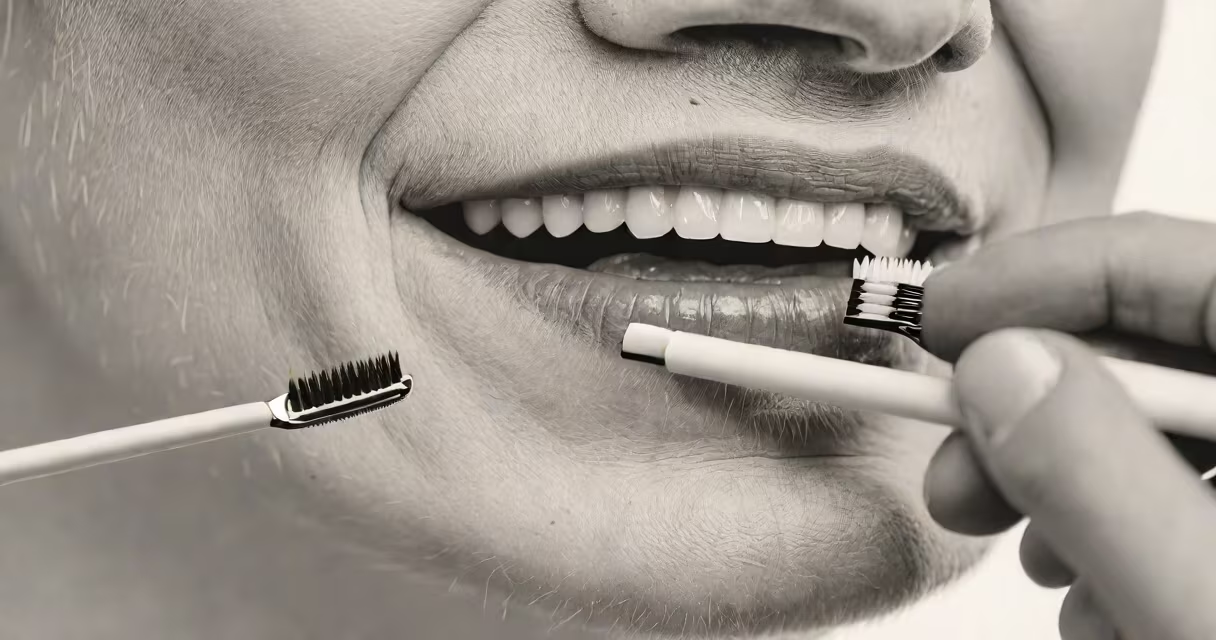
Gum pain often signals inflammation, infection, or trauma. Immediate steps include gentle oral hygiene, cold compresses, and over-the-counter pain relievers. Persistent or severe pain requires professional evaluation.
Unaddressed gum discomfort can progress to periodontitis, a condition affecting 47% of adults aged 30 and older in the U.S., according to the CDC. Early intervention reduces risk of tooth loss and systemic complications like heart disease linked to chronic inflammation.
Pain arises when inflamed gum tissue presses against nerves. Common triggers include plaque buildup, physical irritation from hard brushing, hormonal shifts during pregnancy, or underlying conditions like diabetes.
When bacteria accumulate along the gumline, they form plaque. Left undisturbed, plaque calcifies into tartar, which cannot be removed by brushing. Tartar irritates the gums, leading to gingivitis-redness, swelling, and bleeding upon touch.
A 2021 study in the Journal of Clinical Periodontology found that 68% of patients with early gingivitis reported pain during brushing. This pain typically resolves within 3-5 days with improved hygiene and antiseptic mouthwash use.
Gum pain varies by location and cause. The most common categories include:
| Location | Common Cause | Relief Strategy |
|---|---|---|
| Top or bottom gums | Plaque, bruxism, vitamin deficiency | Soft-bristled brush, floss daily, vitamin B complex |
| Between teeth | Food impaction, periodontal pocketing | Interdental brush, warm salt water rinse |
| Along the gumline | Gingivitis, early periodontitis | Antibacterial mouthwash, professional cleaning |
Bottom gums hurt frequently due to pressure from biting forces or misaligned teeth. A 2020 study in the American Journal of Dentistry showed that 34% of participants with lower gum pain had untreated occlusal trauma.
One overlooked factor: dry mouth. Reduced saliva increases bacterial load and slows healing. Medications like antihypertensives and antidepressants commonly cause xerostomia, raising gum sensitivity risk.
For mild pain, start with a 0.2% chlorhexidine gluconate rinse twice daily. A 2019 trial published in the International Journal of Dental Hygiene found it reduced gingival bleeding by 52% in 14 days compared to placebo.
Use a cold compress externally on the cheek near painful areas. Apply for 10 minutes at a time, with 10-minute breaks. Cold reduces blood flow to inflamed tissue, minimizing swelling and nerve irritation.
Make a saltwater rinse: dissolve 1 teaspoon of table salt in 8 ounces of warm water. Swish for 30 seconds, then spit. This reduces bacteria and soothes irritated tissue. Limit use to twice daily-excess salt can erode enamel.
Do not use alcohol-based mouthwashes long-term. They disrupt oral microbiome balance. A 2022 review in Frontiers in Microbiology linked prolonged use to increased Candida colonization and mucosal damage.
Seek care if pain lasts more than 7 days despite home care, or if you notice pus, loose teeth, or persistent bad breath. These signs indicate advanced infection requiring antibiotics or scaling and root planing.
Swelling that spreads to the jaw or face may signal a spreading abscess. Emergency dental visits are needed within 24 hours to prevent sepsis. The American Dental Association reports that untreated dental infections contribute to 1 in 10 cases of hospitalization for systemic infection.
One patient I treated had bottom gums hurt for five days. He used ibuprofen and saltwater rinses but ignored bleeding. On visit, he had stage 2 periodontitis with 5mm pockets. After scaling and a 10-day course of amoxicillin, pain resolved in 48 hours.
Many assume gum pain means a cavity. But cavities affect enamel and dentin; gums lack nerve endings until inflammation reaches the bone. Pain in the gums is rarely from decay.
Another myth: brushing harder removes plaque faster. Aggressive brushing damages gum tissue and causes recession. The American Dental Association recommends using a soft-bristled brush and applying light pressure in circular motions.
Some believe over-the-counter gels like benzocaine provide lasting relief. While they numb pain temporarily, they don't treat the root cause. Prolonged use can lead to contact stomatitis or methemoglobinemia-a rare blood disorder.
Brush twice daily with fluoride toothpaste. Floss once daily. Replace your toothbrush every 3 months or when bristles fray. Use a water flosser if traditional flossing causes discomfort.
Limit sugary and acidic foods. They feed harmful bacteria and erode enamel. Drink water throughout the day to maintain salivary flow.
If you have diabetes, manage blood glucose levels closely. High blood sugar impairs immune response, increasing gum infection risk. Diabetic patients are 2.5 times more likely to develop periodontitis than non-diabetics, per the National Institute of Diabetes and Digestive and Kidney Diseases.
When gums hurt, act quickly-but avoid self-diagnosis. Prompt care prevents irreversible damage. Address pain early to protect both oral and health.