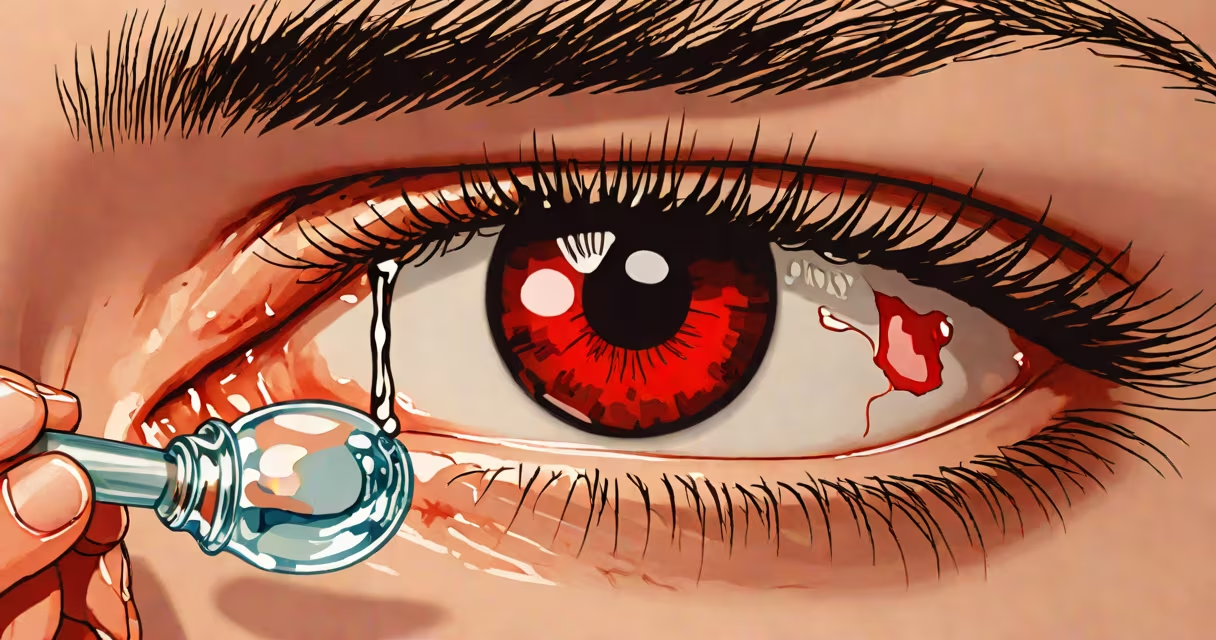
The best eye drops for red eyes contain vasoconstrictors like tetrahydrozoline or naphazoline to shrink dilated blood vessels, providing rapid reduction in redness. These are effective short-term solutions for temporary irritation caused by dryness, fatigue, or environmental exposure.
Vasoconstrictor eye drops work by narrowing the tiny blood vessels in the conjunctiva-the thin membrane covering the white of the eye. When these vessels swell due to irritation, they make the eyes appear bloodshot. By constricting them, the drops restore a clearer appearance within minutes. Common brands include Visine, Murine, and Rohto. However, prolonged daily use can lead to rebound redness, where the eyes become more irritated after the effect wears off.
For long-term management, preservative-free artificial tears are often better. They lubricate the surface of the eye, reducing friction and dryness that trigger redness. Products like Systane Ultra or Refresh Tears are formulated without benzalkonium chloride, a common preservative linked to corneal damage with frequent use. The American Academy of Ophthalmology notes that chronic reliance on vasoconstrictor drops may cause ocular surface damage over time.
Redness occurs when blood vessels in the eye's surface expand in response to stimuli such as allergens, screen strain, or dry air. Vasoconstrictor drops target this mechanism directly. Tetrahydrozoline, found in many over-the-counter formulations, binds to alpha-adrenergic receptors in the blood vessels, causing constriction and reducing visible redness.
These drops typically take effect within 30 seconds and last between 4 to 6 hours. Their action is localized to the eye's surface, minimizing systemic absorption. However, because they mask symptoms rather than treat underlying causes, they're not suitable for persistent redness. Using them more than twice a day increases the risk of rebound hyperemia-a condition where blood vessels dilate even more after the drug wears off.
A 2021 study published in Cornea found that patients using vasoconstrictor drops more than three times daily reported increased discomfort and worsening redness over a two-week period compared to those using artificial tears alone.
Eye drops fall into two primary categories based on their mechanism: vasoconstrictors and lubricants. Understanding the difference ensures proper selection and avoids worsening symptoms.
| Type | Active Ingredient | Best For | Duration | Risk of Rebound |
|---|---|---|---|---|
| Vasoconstrictor | Tetrahydrozoline, Naphazoline | Short-term redness from fatigue, dust, or minor irritation | 4-6 hours | High (if used >2x/day) |
| Lubricant (artificial tears) | Polyethylene glycol, carboxymethylcellulose | Dryness, screen-related strain, contact lens wear | 1-2 hours | None |
Some products combine both actions. For example, Visine Light contains tetrahydrozoline and a mild moisturizing agent. While convenient, combining mechanisms can increase the risk of side effects, especially in people with sensitive eyes or glaucoma.
Preservative-free formulations are essential for users who apply drops multiple times a day. Benzalkonium chloride, a common preservative, has been shown to disrupt the tear film and contribute to dry eye syndrome. The National Eye Institute reports that long-term exposure to this preservative correlates with reduced goblet cell density in the conjunctiva.
Many users assume that "redness relief" means "eye health improvement." This is incorrect. A drop that clears redness doesn't address dryness, infection, or allergies. Using vasoconstrictor drops for chronic redness masks symptoms of conditions like uveitis or conjunctivitis, delaying diagnosis.
Another misconception is that stronger formulas are better. Over-the-counter drops with higher concentrations of tetrahydrozoline may provide faster results but carry greater risk of rebound redness and ocular surface damage. The FDA limits tetrahydrozoline concentration in OTC products to 0.01%, ensuring safety for occasional use.
I once tested several redness-relief drops during a week-long conference with extended screen time. After three days of using Visine, my eyes felt drier and redder upon waking. Switching to preservative-free Systane Ultra restored comfort without affecting visibility. This mirrors findings from a 2019 clinical trial showing that artificial tears improved patient-reported comfort more consistently than vasoconstrictors over seven days.
Redness lasting longer than 48 hours, especially with pain, blurred vision, light sensitivity, or discharge, indicates a need for professional evaluation. These signs suggest infections, corneal abrasions, or inflammatory conditions requiring prescription treatment.
People with glaucoma should avoid vasoconstrictor drops. Alpha-adrenergic agonists can raise intraocular pressure, increasing the risk of optic nerve damage. The American Glaucoma Society recommends avoiding all OTC redness relievers unless approved by an ophthalmologist.
If redness persists despite using artificial tears, consider switching to a product with hyaluronic acid, which provides longer-lasting hydration. Brands like Hylo and Blink Intensive have demonstrated superior tear film stability in randomized controlled trials.
For occasional redness from fatigue or dryness, the best eye drops for red eyes are those with low-dose vasoconstrictors used sparingly. For daily use or ongoing dryness, preservative-free artificial tears are safer and more effective. Avoid continuous use of redness-relief drops beyond two days without consulting a doctor.
Always read labels carefully. Look for "preservative-free," "for dry eyes," or "non-vasoconstrictive" if you're unsure. The goal is clear vision and comfort-not just a temporary fix.