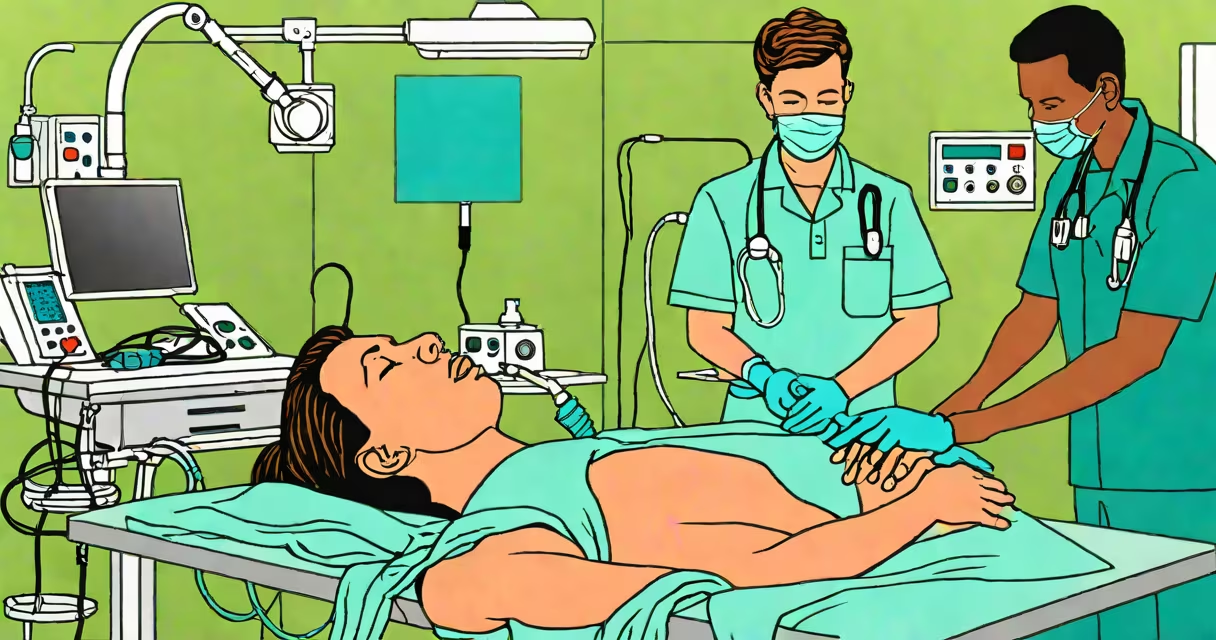
To become a paramedic in the United States, you must complete a state-approved paramedic program, earn national certification through the National Registry of Emergency Medical Technicians (NREMT), and meet state-specific licensing requirements. The process typically takes 12 to 24 months after completing EMT training and includes classroom instruction, clinical rotations, and field internships.
Paramedics are licensed healthcare providers who deliver advanced emergency medical care. They assess patients, administer medications, perform advanced airway management, interpret electrocardiograms (ECGs), and use defibrillators. Unlike basic EMTs, paramedics are trained to manage complex medical emergencies such as cardiac arrest, severe trauma, and acute respiratory failure.
The National Highway Traffic Safety Administration (NHTSA) outlines the core curriculum standards for paramedic education. These standards require a minimum of 1,200 hours of training, including 400 hours of clinical experience and 400 hours of field internship. Programs must cover anatomy, physiology, pharmacology, trauma care, pediatric and geriatric emergencies, and psychosocial aspects of patient care.
Training begins with becoming an Emergency Medical Technician (EMT). Most paramedic programs require applicants to hold current EMT-Basic certification. This ensures foundational skills in patient assessment, CPR, bleeding control, and basic airway management are already established.
Once accepted into a paramedic program, students attend classes five days a week for six to twelve months. Coursework includes pathophysiology, pharmacology, and advanced procedures such as intravenous therapy, endotracheal intubation, and cardiac monitoring. Students learn to interpret ECG rhythms and administer drugs like epinephrine, atropine, and nitroglycerin under protocols.
Clinical rotations occur in hospital emergency departments, intensive care units, and operating rooms. Students observe and assist in real-time patient care under supervision. Field internships involve riding with experienced paramedics in ambulances, responding to 911 calls, and managing live emergencies. These experiences build decision-making under pressure and reinforce textbook knowledge.
Paramedic programs are offered through community colleges, technical schools, and university health science centers. They vary in duration, cost, and structure. Some programs are accelerated (12 months), while others take two years, especially those with embedded associate degrees.
| Program Type | Duration | Typical Cost (USD) | Delivery Mode |
|---|---|---|---|
| Community College Certificate | 12-18 months | $3,000-$8,000 | On-campus, hybrid |
| University Associate Degree | 24 months | $10,000-$20,000 | On-campus, online coursework |
| Accelerated Certificate | 6-12 months | $6,000-$12,000 | Intensive, full-time |
Admission requirements vary by institution but commonly include a high school diploma or GED, college-level biology and chemistry courses, CPR certification, and a passing score on the EMT exam. Some programs require a background check and drug screening before enrollment.
Not all states accept the same paramedic credentials. For example, California requires additional state-specific exams beyond NREMT certification. New York mandates a separate state license issued by the Department of Health. Always verify local requirements before enrolling.
Paramedics work in emergency medical services (EMS) systems across urban, suburban, and rural areas. They respond to medical emergencies, trauma incidents, natural disasters, and mass casualty events. Their training prepares them to function independently in high-risk environments with limited resources.
A 2023 study by the Journal of Emergency Medical Services found that paramedics in high-volume urban EMS systems respond to an average of 120 calls per month. In contrast, rural paramedics may handle fewer than 30 calls monthly but face longer response times and higher rates of critical interventions due to delayed advanced care.
During the 2020 pandemic, paramedics played a key role in transporting suspected COVID-19 patients. They adapted protocols for infection control, used PPE correctly, and maintained patient safety during transport. This demonstrated the real-world adaptability required of trained paramedics.
Many people assume that paramedic training is equivalent to nursing school. This is incorrect. While both roles involve patient care, paramedics focus on acute, time-sensitive interventions in pre-hospital settings. Nurses provide ongoing care in hospitals and clinics, often managing chronic conditions and complex treatments.
Another misconception is that paramedics can practice without national certification. The NREMT is the gold standard for credentialing. According to the NREMT's 2022 annual report, 94% of states require NREMT certification for licensure. Without it, you cannot legally work as a paramedic anywhere in the U.S.
A lesser-known fact: many paramedics pursue additional certifications after initial training. Common add-ons include Advanced Cardiac Life Support (ACLS), Pediatric Advanced Life Support (PALS), and Tactical Emergency Casualty Care (TECC). These improve capabilities in specialized scenarios like military operations or disaster zones.
In a typical week during a paramedic program at a public community college in Texas, a student named Maria spends:
Maria completes her program in 14 months. After passing the NREMT written exam (80% pass rate nationally), she takes the psychomotor exam involving simulated patient scenarios. She passes both and applies for state licensure in Texas. Within three weeks, she receives her license and begins working shifts with a regional EMS provider.
As a former paramedic trainer, I've seen candidates fail the psychomotor exam due to poor time management during simulations. One student rushed through airway placement and missed a critical step-inserting a nasogastric tube. That error led to a failed attempt. Proper pacing and checklist adherence are essential.
After obtaining certification, most paramedics begin employment with fire departments, private ambulance companies, or hospital-based transport teams. Starting salaries range from $45,000 to $65,000 annually, depending on location and employer.
Continuing education is mandatory. Most states require 24 hours of continuing education every two years to maintain licensure. Topics include new guidelines from the American Heart Association, updated trauma protocols, and mental health awareness in crisis response.
For those seeking advancement, options include becoming a paramedic instructor, joining a mobile integrated healthcare team, or transitioning into emergency department roles. Some pursue bachelor's degrees in emergency health sciences or public health.
Understanding what training is needed to be a paramedic clarifies the structured, demanding path required to serve in one of the most important roles in emergency medicine. The combination of academic rigor, hands-on experience, and national certification helps only qualified individuals enter the field.