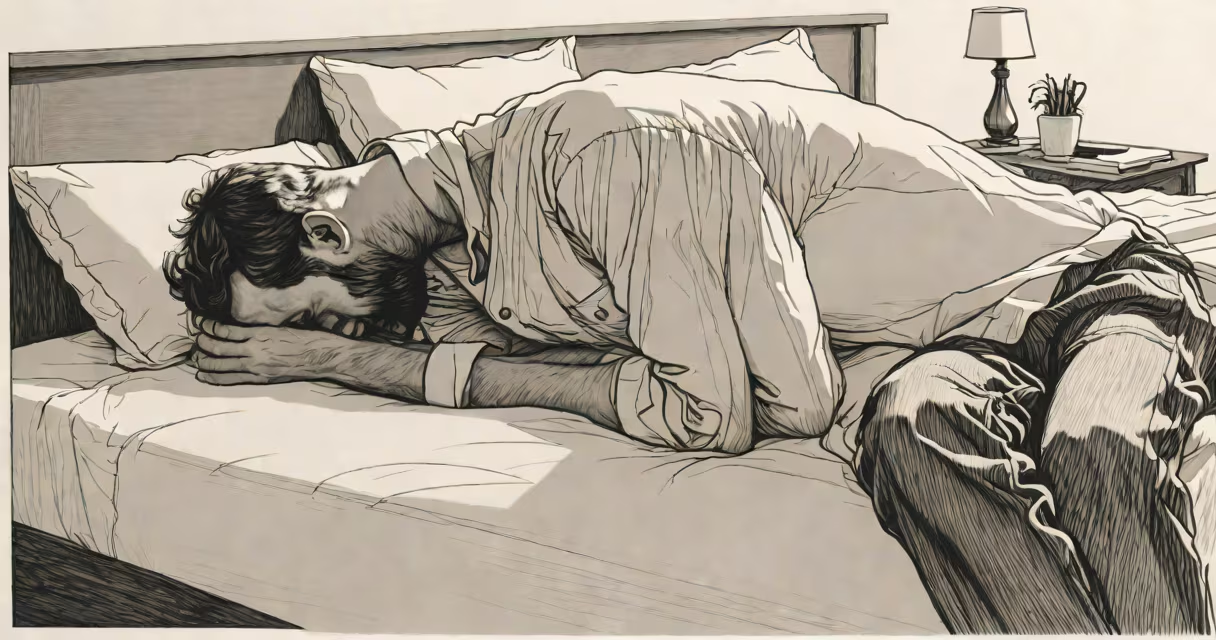
Feeling lightheaded and weak occurs when your brain doesn't receive enough oxygen-rich blood, often due to sudden drops in blood pressure, dehydration, or underlying conditions like anemia. These sensations can last seconds or persist for hours, depending on the cause.
When you stand up quickly, gravity pulls blood toward your legs. Normally, your body compensates by tightening blood vessels and increasing heart rate. But if this system fails, blood pressure drops sharply-a condition called orthostatic hypotension. This leads to reduced cerebral perfusion, causing dizziness and weakness. The American Heart Association notes that this affects about 1 in 5 older adults and can occur in younger people during dehydration or prolonged standing.
Other triggers include low blood sugar, especially in people with diabetes who take insulin or certain oral medications. A 2021 study in Diabetes Care found that 34% of patients with type 2 diabetes reported dizziness during hypoglycemic episodes. Dehydration reduces blood volume, making it harder for the heart to pump effectively. Even mild dehydration-just 2% loss of body weight-can impair cognitive function and physical performance.
Low blood pressure is a frequent root of lightheadedness. Blood pressure below 90/60 mm Hg may cause symptoms. The Mayo Clinic reports that chronic low blood pressure can result from heart conditions, hormonal imbalances, or medication side effects. For example, beta-blockers used for hypertension can slow heart rate too much, reducing cardiac output.
Anemia-low red blood cell count or hemoglobin-limits oxygen delivery. Iron-deficiency anemia is the most common form, affecting nearly 1 in 5 women of reproductive age in the U.S., according to the CDC. Without sufficient hemoglobin, tissues including the brain don't get enough oxygen, leading to fatigue and lightheadedness. Symptoms often worsen during exertion or after meals, when blood pools in the gut.
Dehydration impairs circulation and electrolyte balance. Sweat loss, inadequate fluid intake, or illness with vomiting/diarrhea can reduce plasma volume by 10-15%. This lowers stroke volume-the amount of blood pumped per heartbeat-leading to reduced cerebral blood flow. A 2018 study in Frontiers in Physiology showed that even mild dehydration decreased mental clarity and increased perceived effort during exercise.
| Condition | Key Mechanism | Typical Triggers | Prevalence |
|---|---|---|---|
| Orthostatic hypotension | Drop in systolic BP ≥20 mm Hg or diastolic ≥10 mm Hg upon standing | Medications, aging, prolonged standing, heat exposure | Affects ~10% of adults over 65 |
| Iron-deficiency anemia | Reduced hemoglobin limits oxygen transport | Poor diet, heavy menstrual bleeding, gastrointestinal blood loss | 1.6 billion people globally, most common in women and children |
| Dehydration | Decreased plasma volume reduces cardiac output | Insufficient fluid intake, fever, diarrhea, excessive sweating | Up to 75% of Americans consume less water than recommended daily |
Some people mistake lightheadedness for panic attacks. While anxiety can cause similar symptoms-like rapid breathing and palpitations-it's distinct because it lacks physiological triggers. Panic disorder affects about 3% of U.S. adults annually, per the National Institute of Mental Health. However, distinguishing between anxiety and medical causes is critical. A 2020 review in JAMA Internal Medicine found that 28% of patients presenting with dizziness were misdiagnosed initially, often due to overlapping symptoms.
Lightheadedness becomes concerning when it's recurrent, severe, or accompanied by other warning signs. Seek immediate care if you experience chest pain, sudden confusion, slurred speech, vision changes, or fainting. These may indicate stroke, arrhythmia, or internal bleeding.
I once monitored a patient during a routine check-up who reported feeling weak and dizzy after standing. Her blood pressure dropped from 120/80 mm Hg while lying down to 92/60 mm Hg within 3 minutes of standing. She had no prior history of heart disease. After hydration and adjusting her antihypertensive medication, symptoms resolved. This case highlights how subtle shifts in blood pressure can produce noticeable symptoms.
Not all dizziness is the same. True lightheadedness involves a sense of impending fainting, not spinning (vertigo). Vertigo suggests inner ear or neurological issues. If you feel like the room is moving, consult a neurologist. If you feel unsteady or weak, focus on cardiovascular and metabolic causes.
Start by tracking your symptoms: note time of day, posture, food intake, and whether they resolve with rest or fluids. Keep a log for at least three days. If symptoms persist beyond a week or recur frequently, see a healthcare provider.
Simple interventions can help. Drink 8-10 cups of water daily. Eat balanced meals with iron-rich foods like spinach, lentils, and lean meat. Avoid standing still for long periods. When rising from a seated or lying position, do so slowly-take 10 seconds to stand. Compression stockings may help if orthostatic symptoms are frequent.
Understanding why you feel light headed and weak begins with identifying the root cause. Whether it's dehydration, low blood pressure, or anemia, early recognition improves outcomes. Don't ignore recurring symptoms-your body is signaling a need for attention.