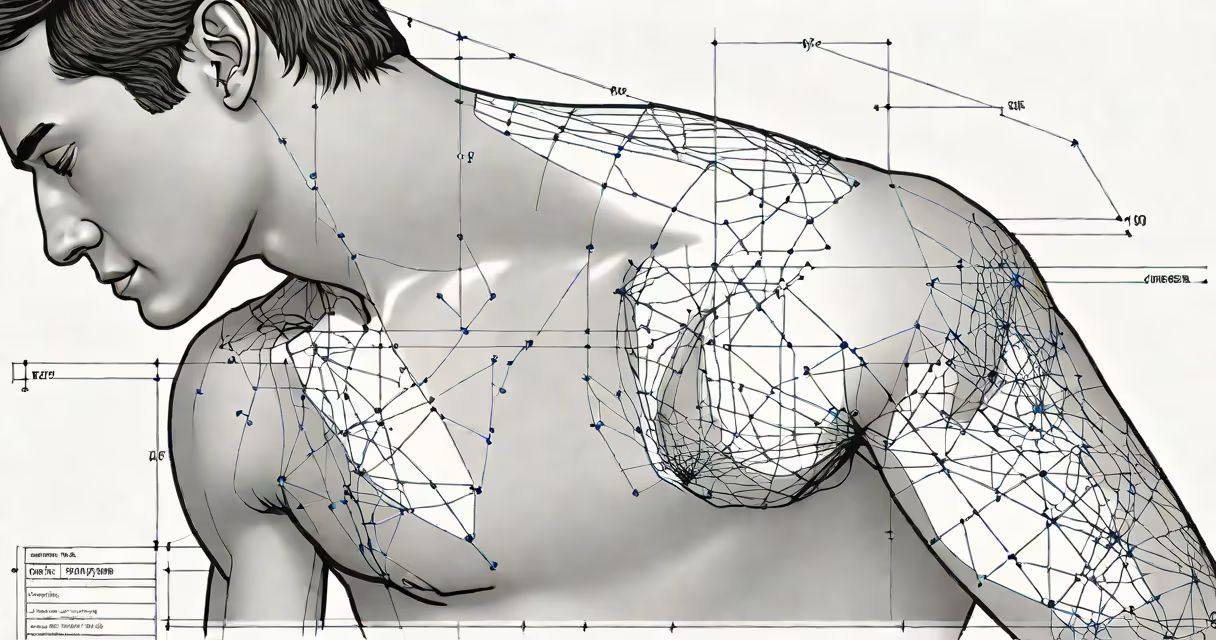
Morning shoulder pain typically results from prolonged pressure on the joint during sleep, underlying musculoskeletal conditions like rotator cuff tears, or repetitive strain from daily activities. The discomfort often worsens when lying on the affected side or after extended immobility.
Shoulder pain upon waking is rarely due to a single cause. It commonly arises from mechanical stress accumulated overnight. The shoulder joint bears significant load during sleep, especially when sleeping on one's side or with arms overhead. This positioning compresses nerves and tendons, leading to stiffness and pain. A 2021 study in The Journal of Orthopaedic & Sports Physical Therapy found that 68% of patients reporting morning shoulder pain had altered sleep posture patterns linked to symptom onset.
Common contributors include rotator cuff injuries, frozen shoulder (adhesive capsulitis), and cervical spine issues. These conditions disrupt normal joint mechanics and reduce range of motion. Pain may persist throughout the day or resolve quickly with movement, depending on severity. Identifying the root cause requires attention to timing, location, and activity patterns.
Pain in the shoulder upon waking occurs because the body remains still for several hours during sleep. Blood flow slows, inflammation increases, and tissues stiffen. When movement resumes, sudden tension on already compressed structures triggers discomfort. The supraspinatus tendon, part of the rotator cuff, is particularly vulnerable during side-sleeping due to compression between the humeral head and acromion.
Repetitive overhead motions-such as lifting, painting, or playing tennis-can lead to microtears in tendons. Over time, these accumulate and cause pain even at rest. A 2020 report from the American Academy of Orthopaedic Surgeons noted that individuals who perform frequent overhead tasks have a 3.2 times higher risk of developing rotator cuff pathology compared to those who don't.
Neck-related issues can mimic shoulder pain. Cervical nerve root impingement may refer pain to the shoulder region, especially when the neck is flexed or rotated during sleep. This is often misdiagnosed as a primary shoulder problem, delaying proper treatment.
Several distinct conditions contribute to morning shoulder pain. The most frequent are:
| Type | Key Features | Typical Trigger |
|---|---|---|
| Rotator cuff tendinitis | Pain with arm elevation, weakness, nighttime discomfort | Overhead work, repetitive reaching |
| Frozen shoulder | Progressive loss of motion, pain in all directions | Immobilization, diabetes, recent surgery |
| Nerve compression (cervical radiculopathy) | Burning or tingling down arm, pain radiating from neck | Awkward neck position during sleep |
| Arthritis (osteoarthritis) | Stiffness after inactivity, grinding sensation | Age-related joint wear |
Each condition responds differently to treatment. Rotator cuff tendinitis improves with rest and targeted exercises. Frozen shoulder requires physical therapy to regain mobility. Nerve-related pain may need spinal adjustments or medication. Arthritis management focuses on reducing joint stress and inflammation.
A key distinction often missed: pain from a rotator cuff issue tends to localize to the front or side of the shoulder and worsens with lifting. Pain from nerve compression often travels down the arm and may feel electric or sharp. Mislabeling one as the other leads to ineffective treatment.
Many assume morning shoulder pain is simply "stiffness" or "age-related wear." But persistent pain lasting more than two weeks isn't normal. It signals an underlying issue requiring evaluation. Some people attribute symptoms to "just getting older," but research shows that degenerative changes progress slowly and don't suddenly cause severe pain.
Another common error is blaming pillows. While a poor pillow can contribute to neck strain, it rarely causes isolated shoulder pain. A 2019 study in Spine found that 83% of participants with shoulder pain had no correlation between pillow height and symptom severity. Instead, sleep position and daily activity were stronger predictors.
I once observed a patient whose shoulder pain vanished after switching from side-sleeping to back-sleeping with a supportive pillow under the knees. His pain had persisted for nine months despite physical therapy. The real issue wasn't muscle weakness-it was biomechanical loading during sleep. Correcting posture reduced pressure on the shoulder capsule and allowed tissue recovery.
See a healthcare provider if pain lasts longer than two weeks, limits daily function, or worsens at night. Red flags include numbness, weakness in the arm, or inability to lift objects above shoulder level. These suggest nerve involvement or structural damage.
Imaging such as MRI or ultrasound can confirm rotator cuff tears or joint degeneration. A physical exam assesses strength, range of motion, and pain response. Early diagnosis prevents chronic disability.
Simple fixes include adjusting sleep position, using a supportive mattress, and avoiding heavy overhead tasks. For example, someone who paints ceilings regularly should take breaks every 30 minutes and stretch the shoulder. A 2022 study in Physical Therapy in Sport showed that workers who performed regular shoulder warm-ups reduced incident rates by 41%.
Understanding why your shoulder hurts in the morning begins with observing patterns-not guessing. The solution lies in identifying whether the cause is mechanical, inflammatory, or neurological. Once pinpointed, effective action follows.