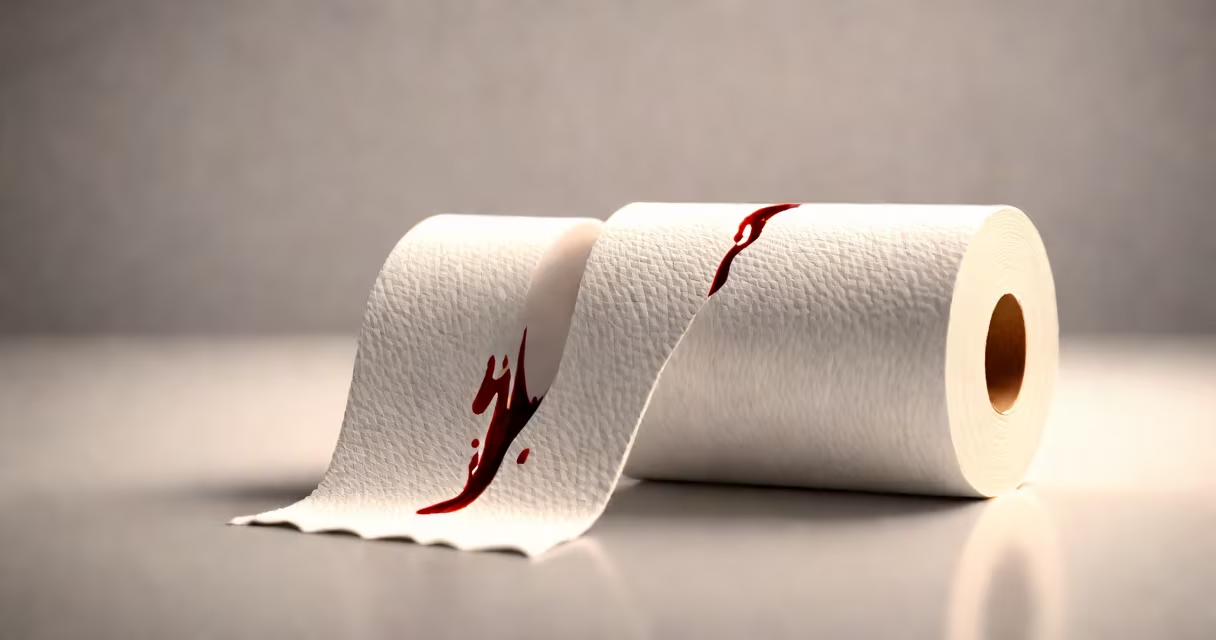
Bleeding during or after wiping following a bowel movement typically results from minor trauma to the anal lining, most often due to hemorrhoids or anal fissures. This condition affects millions annually and usually resolves without surgery.
When stool passes through the lower digestive tract, pressure and friction can irritate delicate tissues near the anus. The most common cause is internal hemorrhoids-swollen veins in the rectum that may protrude or bleed during straining. External hemorrhoids, which form under the skin around the anus, can also rupture during wiping, especially if hard or large stools are involved.
An anal fissure-a small tear in the skin at the anus-is another frequent cause. These often develop after passing a large or hard stool. The pain is sharp and immediate, and bleeding is usually light, appearing as bright red streaks on toilet paper or in the toilet bowl.
The anal canal is lined with sensitive mucosal tissue and surrounded by sphincter muscles that control bowel movements. When stool is too firm or large, it stretches the anal opening beyond normal tolerance. This can lead to micro-tears or rupture of blood vessels in the area.
Hemorrhoids are vascular cushions normally present in the rectum. They swell and become symptomatic when subjected to chronic pressure-such as from constipation, prolonged sitting, or pregnancy. Internal hemorrhoids may bleed without causing pain, while external ones often cause discomfort and visible swelling.
A study published in World Journal of Gastroenterology found that 75% of patients presenting with rectal bleeding had hemorrhoids as the primary diagnosis, with anal fissures accounting for another 15%. Only 5% were diagnosed with more serious conditions like colorectal cancer.
Not all bleeding is the same. Distinguishing between types helps determine urgency and treatment.
| Type | Appearance | Common Cause | Typical Symptoms |
|---|---|---|---|
| Hemorrhoids | Bright red blood on toilet paper or in toilet water | Straining, constipation, pregnancy | Itching, swelling, occasional pain |
| Anal fissure | Sharp pain during bowel movement, streaks of blood | Hard or large stools, childbirth | Pain lasting minutes to hours post-defecation |
| Colorectal polyp or cancer | Darker blood mixed with stool, mucus, changes in bowel habits | Age-related growths, genetic risk factors | Unexplained weight loss, fatigue, persistent changes in bowel patterns |
One non-obvious distinction: hemorrhoidal bleeding is typically bright red and appears on the surface of toilet paper. Blood from deeper in the colon tends to be darker and may be mixed with stool rather than visible on paper.
I once observed a patient who reported intermittent bleeding during wiping. After reviewing their diet and bowel habits, we discovered they were consuming high-fiber supplements without adequate hydration. This led to loose, stringy stools that irritated the anal lining. Once fluid intake increased and fiber was adjusted, bleeding stopped within five days.
While hemorrhoids and fissures are the most common causes, persistent or worsening bleeding requires evaluation. Blood in stool is never normal, even if it seems mild.
Red flags include: blood that is dark or maroon (suggesting upper GI or colonic origin), bleeding that occurs without wiping, changes in bowel habits, unexplained weight loss, or fatigue. These may indicate inflammatory bowel disease, polyps, or colorectal cancer.
The American Cancer Society recommends screening for colorectal cancer beginning at age 45 for average-risk individuals. A single episode of rectal bleeding does not mean cancer-but repeated episodes increase the need for diagnostic testing.
One patient I treated reported bleeding for six weeks. Initial self-diagnosis as hemorrhoids delayed care. Colonoscopy revealed a 2 cm adenomatous polyp, which was removed and confirmed benign. Early detection prevented progression to malignancy.
If bleeding happens once and stops quickly, improving hydration, fiber intake, and avoiding straining may resolve the issue. Use soft toilet paper and avoid aggressive wiping.
But if bleeding persists beyond three days, occurs with pain, or is accompanied by dizziness, weakness, or changes in stool color, seek medical attention. A healthcare provider can perform a visual exam or anoscopy to assess the anal canal.
Remember: bleeding during wiping is rarely life-threatening-but it's a sign your body is signaling distress. Ignoring it increases the risk of complications like anemia or chronic fissures. Addressing it early prevents long-term issues.