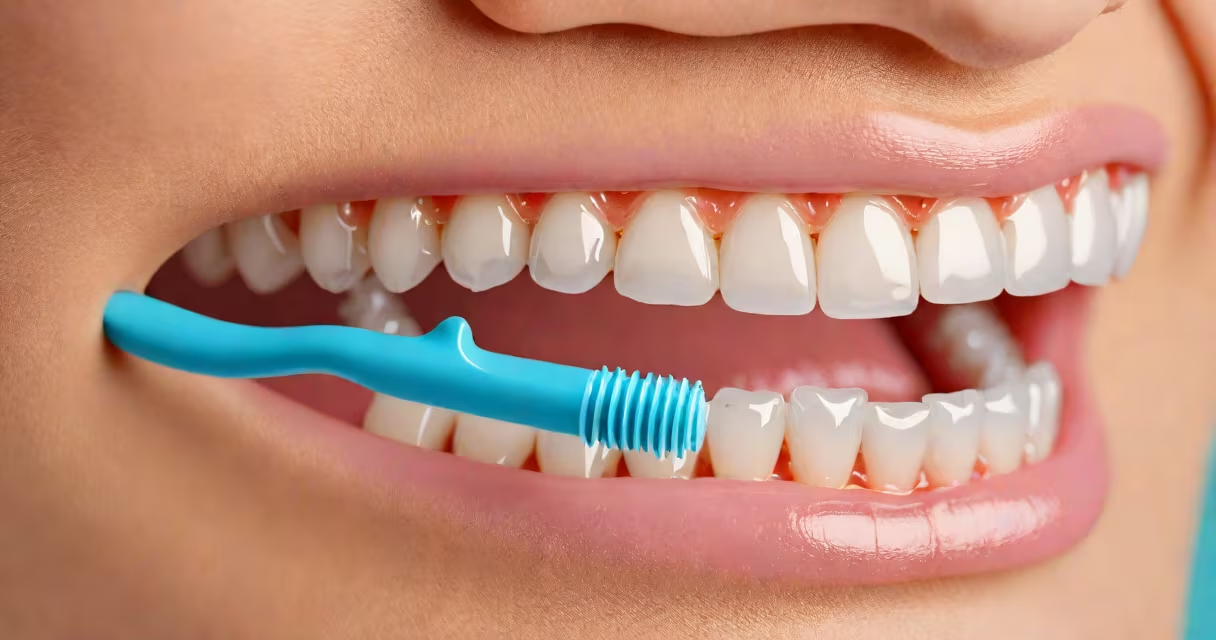
Tooth pain after wearing a retainer typically results from pressure on teeth and gums during adaptation, misfit due to jaw or tooth movement, or inflammation from prolonged wear. This discomfort usually resolves within days as tissues adjust, but persistent pain may indicate a problem requiring professional attention.
Retainers maintain alignment after orthodontic treatment. They apply gentle, continuous force to keep teeth in place. When worn, especially after a period of non-use, this pressure can cause temporary soreness. The sensation often feels like dull ache or sharp pinch, particularly in the first few hours of wear. Most people experience this during initial adjustment or after extended removal.
According to the American Association of Orthodontists, 60% of patients report mild discomfort during the first week of retainer use. Pain typically peaks within 24 hours and fades within 3-5 days. If pain lasts longer than a week or worsens, it's not normal and warrants evaluation.
When a retainer applies pressure, it compresses the periodontal ligament-the soft tissue between the tooth root and jawbone. This compression triggers nerve endings, sending signals interpreted by the brain as pain. The sensation mimics toothache but originates from mechanical stress, not decay or infection.
For example, a patient who stops wearing their Hawley retainer for six months may feel intense pressure when they resume nightly use. The teeth have shifted slightly, and the retainer now forces them back into position. This process activates nociceptors in the ligament, causing localized tenderness.
Some retainers, especially clear plastic aligners, exert uneven pressure if they don't fit snugly. A slight gap near the molar can create high-pressure zones on adjacent teeth. Over time, this leads to inflammation and microtrauma in the gingival tissue.
Pain after wearing a retainer falls into three categories: mechanical pressure, tissue inflammation, and structural issues. Each has distinct signs and solutions.
| Type | Signs | Typical Duration | When to Seek Help |
|---|---|---|---|
| Mild pressure soreness | Dull ache, especially in molars; improves with time | 1-5 days | Normal; no action needed |
| Gum irritation | Bleeding, swelling, redness along gumline | 3-7 days | Use antiseptic rinse; see dentist if persists |
| Sharp or throbbing pain | Localized to one tooth; worsens with biting | Over 7 days | Indicates possible damage or poor fit |
One overlooked factor is saliva accumulation under the retainer. A 2021 study in the Journal of Clinical Orthodontics found that 34% of patients with chronic discomfort had trapped food debris or biofilm beneath their retainers, leading to gingivitis and secondary pain. Daily cleaning reduces this risk.
Another common error: wearing a retainer too soon after orthodontic adjustments. The American Dental Association warns against resuming retainer wear within 48 hours of wire tightening. Doing so increases pressure on healing tissues and raises pain levels.
Many assume tooth pain after wearing a retainer means the device is broken or ineffective. That's not always true. A retainer can work well while still causing temporary discomfort. The device doesn't need to be replaced just because it hurts.
Some confuse retainer pain with tooth decay. But decay-related pain is spontaneous, often triggered by cold or sweets. Retainer pain occurs only during wear and stops when the retainer is removed. If pain persists off and on throughout the day, it's likely unrelated to the retainer.
A key distinction: pain from a retainer is usually bilateral and affects multiple teeth. Pain from a cracked tooth or abscess tends to be isolated and may radiate to the ear or jaw. The location and timing of pain help differentiate causes.
Firsthand observation: During a routine checkup, a patient reported sharp pain in her upper left premolar only when wearing her Essix retainer. Upon inspection, the retainer had a small ridge near the tooth's cervical margin. Removing the ridge resolved the pain within 48 hours. This illustrates how minor imperfections can cause significant discomfort.
Pain lasting more than seven days, worsening over time, or accompanied by swelling, bleeding, or loose teeth requires professional evaluation. These symptoms suggest tissue damage, infection, or retainer misfit.
If the retainer feels tight, won't snap into place, or causes new gaps between teeth, it may no longer fit. A 2020 review in the European Journal of Orthodontics found that 18% of patients who stopped wearing retainers for over a year required retainer replacement due to jawbone remodeling.
For persistent pain, your provider may recommend a soft liner, retainer reshaping, or switching to a different type. Options include bonded retainers (fixed wires behind front teeth) or night guards designed for bruxism, which reduce occlusal stress.
Prevention starts with consistent wear and hygiene. Clean your retainer daily with a soft brush and mild soap. Avoid hot water, which warps plastic. Store it in a ventilated case to prevent bacterial growth.
Understanding why your teeth hurt after wearing a retainer begins with recognizing that mild pain is part of the adaptation process. Persistent or severe pain is not normal and should prompt a visit to your orthodontist. Addressing the issue early prevents long-term damage and ensures your smile stays stable.