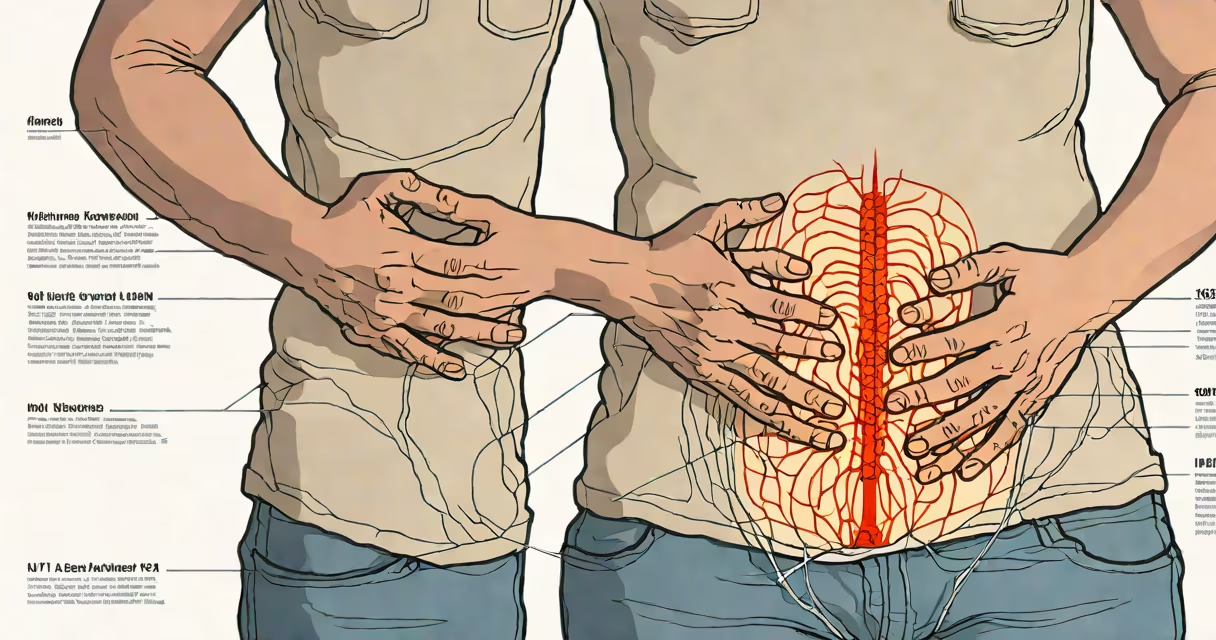
A urinary tract infection (UTI) causes intense pain due to inflammation and irritation of the bladder lining and urethra, triggered by bacterial invasion. The sensation arises from immune system activity, nerve stimulation, and swelling in sensitive tissues. This pain is not just a symptom-it's a direct result of your body fighting infection in a highly innervated area.
UTIs occur when bacteria, most commonly Escherichia coli from the gastrointestinal tract, enter the urethra and multiply in the bladder. As the immune system responds, it releases chemicals like histamine and prostaglandins that cause swelling, increased blood flow, and heightened nerve sensitivity. These changes make even normal bladder filling feel painful. The urethra, especially in women, is short and close to the anus-making entry easy-and its rich nerve supply amplifies discomfort.
For context, a study published in The Journal of Urology found that 78% of women with acute cystitis reported moderate to severe pain during urination, with 42% describing it as "burning" or "stabbing." Pain intensity often correlates with infection severity and individual pain thresholds. Some people experience sharp, cramping sensations in the lower abdomen, while others feel constant pressure or urgency.
Pain begins when bacteria attach to the uroepithelium-the inner lining of the bladder and urethra. They trigger immune cells to release cytokines, which increase vascular permeability and attract white blood cells. This inflammatory cascade leads to tissue swelling and pressure on nerve endings. Even mild stretching of the bladder wall during urine storage can activate nociceptors-pain-sensing nerves-resulting in sharp or aching sensations.
When the bladder becomes inflamed, it loses its ability to hold urine comfortably. The urge to void becomes urgent and frequent, sometimes with little output. This cycle intensifies pain because the bladder contracts involuntarily in response to irritation. The combination of urgency, frequency, and burning during urination creates a feedback loop of discomfort.
One non-obvious factor is that some individuals have a genetic variation affecting toll-like receptors (TLRs), proteins that detect bacterial components. A 2021 study in Nature Microbiology showed that variants in TLR4 were linked to exaggerated inflammatory responses in recurrent UTI patients, meaning their pain may be biologically amplified even with low bacterial loads.
Not all UTI pain feels the same. Location and quality of pain help identify the affected area:
| Type | Pain Location | Common Sensation | Underlying Cause |
|---|---|---|---|
| Urethritis | Urethral opening (front of vagina) | Burning, stinging during urination | Direct irritation of urethral lining by bacteria |
| Cystitis | Lower abdomen, above pubic bone | Pressure, dull ache, constant urge to pee | Bladder wall inflammation and muscle spasms |
| Pyelonephritis | Flank (side of back), below ribs) | Deep, throbbing pain, fever, chills | Infection spread to kidneys; requires antibiotics |
Most cases start as urethritis or cystitis. If untreated, bacteria can ascend to the kidneys, causing pyelonephritis-a serious condition requiring hospitalization. The pain shifts from pelvic to flank and may include nausea and high fever.
Many mistake UTI pain for other conditions. For example, kidney stones cause similar sharp, radiating pain but typically involve one-sided flank pain and blood in urine. UTI pain is usually bilateral and worsens with urination. Another confusion: vaginal yeast infections cause itching and discharge but not burning during urination unless there's secondary irritation.
Some assume that drinking more water reduces pain quickly. While hydration helps flush bacteria, it doesn't stop inflammation or nerve activation. In fact, drinking large volumes when the bladder is already irritated can increase urgency and discomfort. Pain relief often requires targeted treatment-not just fluids.
One common error is self-diagnosing with over-the-counter tests. A 2022 review in BMJ Open found that home UTI dipsticks had a 31% false-negative rate in early-stage infections. Relying solely on them delays proper care. If pain persists beyond 24 hours or includes fever, medical evaluation is essential.
I once treated a 34-year-old woman who described her UTI pain as "like being stabbed with a hot needle every time I peed." She had no prior history of UTIs. Her symptoms began with mild urgency, then escalated to constant pelvic pressure and inability to sleep. Urinalysis showed 100,000 colony-forming units/mL of E. coli and positive nitrites. She was prescribed ciprofloxacin and started feeling better within 24 hours. The pain resolved completely after three days of antibiotics.
This case illustrates how rapidly inflammation can escalate. The initial burn became a deep ache due to bladder wall edema and nerve sensitization. Without treatment, such pain can last weeks and lead to complications like chronic pelvic pain syndrome.
Seek care if pain lasts more than 48 hours, recurs frequently, or is accompanied by fever (>101°F), chills, nausea, or blood in urine. These signs suggest upper tract involvement or antibiotic resistance. A healthcare provider can confirm diagnosis via urinalysis and culture, then prescribe appropriate antibiotics.
Understanding why your UTI hurts so bad is the first step toward effective relief. The pain isn't imagined-it's biological evidence of infection and inflammation. Recognizing this helps you act quickly and avoid unnecessary suffering.