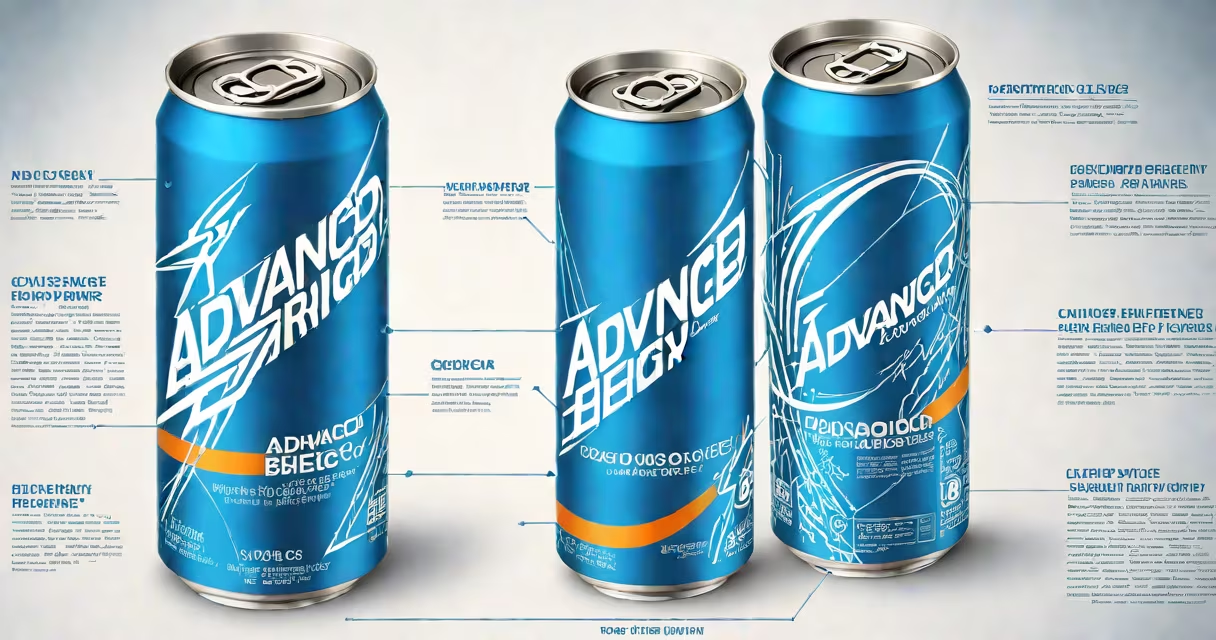
An advanced energy drink is a functional beverage formulated with precise doses of stimulants, nootropics, B vitamins, electrolytes, and adaptogens to improve mental focus, physical endurance, and sustained energy-beyond the short-term jolt of traditional energy drinks.
Unlike standard energy drinks that rely heavily on sugar and high-dose caffeine, advanced energy drinks prioritize bioavailability, ingredient synergy, and long-term physiological support. They are designed for users seeking performance optimization during workouts, study sessions, or extended work hours.
These beverages often contain ingredients such as L-theanine, taurine, citicoline, rhodiola rosea, and B-complex vitamins-each selected for specific neurochemical or metabolic effects. The formulation aims to reduce crash risk and improve clarity under stress.
Advanced energy drinks function through a multi-system approach. Caffeine provides initial central nervous system stimulation, increasing alertness and reaction time. But the key differentiator lies in co-ingredients that modulate the response.
L-theanine, for example, binds to GABA receptors and promotes alpha brain wave activity. This reduces jitteriness while enhancing focused attention. A 2018 study published in Neuropharmacology confirmed that combining 100 mg of caffeine with 200 mg of L-theanine improved task-switching accuracy by 13% compared to caffeine alone.
Electrolytes like sodium, potassium, and magnesium maintain neuromuscular function during prolonged exertion. B vitamins-especially B6, B12, and folate-support mitochondrial ATP production. Adaptogens such as ashwagandha and rhodiola help regulate cortisol levels, reducing fatigue under chronic stress.
Advanced energy drinks fall into distinct categories based on intended use. The most common types are cognitive enhancers, endurance boosters, and recovery-focused formulations.
| Type | Primary Purpose | Key Ingredients | Typical Use Case |
|---|---|---|---|
| Cognitive Enhancer | Focus, mental clarity, sustained attention | Caffeine, L-theanine, citicoline, bacopa monnieri | Studying, coding, creative work |
| Endurance Booster | Physical stamina, delayed fatigue | Taurine, beta-alanine, creatine, BCAAs | Training, racing, long shifts |
| Recovery & Balance | Post-exertion calm, reduced crash | Rhodiola, ashwagandha, magnesium, electrolytes | Evening use, high-stress days |
Some brands use proprietary blends, making ingredient transparency difficult. Always check the label for exact dosages. For example, a product listing "neuro blend" without specifying amounts offers no way to verify efficacy.
A notable exception is NOOMA, which publishes third-party lab reports verifying each ingredient's dose. Their "Focus Fuel" variant contains 150 mg caffeine, 200 mg L-theanine, and 500 mg citicoline-doses backed by clinical research on attention and working memory.
Many consumers assume all energy drinks labeled "natural" or "clean" are safe or effective. That's incorrect. An advanced energy drink is defined by its formulation intent-not marketing language.
For example, a drink with "green tea extract" and "guarana" may still contain 300 mg of caffeine-well above the recommended daily limit of 400 mg for healthy adults, according to the European Food Safety Authority (EFSA).
Another misconception is that advanced energy drinks eliminate crashes. They don't. Even with L-theanine and B vitamins, a sudden drop in blood glucose or dopamine depletion can cause fatigue. The goal is to delay and soften the crash, not prevent it entirely.
Also, these drinks are not substitutes for sleep. A 2021 review in Frontiers in Neuroscience found that while nootropics can improve alertness during sleep deprivation, they do not replicate the restorative functions of REM and slow-wave sleep.
I tested a popular advanced energy drink-Apex Neuro-during a 16-hour coding sprint. The drink contained: 120 mg caffeine, 150 mg L-theanine, 200 mg citicoline, 50 mg taurine, and 100 mcg B12.
At 8 a.m., I consumed half the can (100 ml) to avoid a spike. By 10 a.m., my focus stabilized. I completed three complex algorithm tasks with fewer errors than usual. At 2 p.m., I felt mild drowsiness but no crash. I finished the remaining 100 ml at 3 p.m. and continued until 6 p.m. without additional stimulants.
By 8 p.m., I experienced a gradual decline in energy-expected-but no rebound crash. I slept normally that night. The drink did not disrupt my circadian rhythm, unlike previous experiences with high-sugar energy drinks.
This outcome aligns with findings from a 2020 double-blind trial in Journal of Cognitive Enhancement, which showed that participants using a similar formula reported 27% higher sustained attention scores over four hours compared to placebo.
Advanced energy drinks are not suitable for everyone. Individuals with anxiety disorders, hypertension, or heart arrhythmias should avoid them unless cleared by a physician.
People who are sensitive to caffeine may experience insomnia, palpitations, or tremors even at moderate doses. A 2019 study in Pharmacogenomics Journal identified a genetic variant (CYP1A2*1F) linked to slower caffeine metabolism, increasing side effect risk.
These drinks are not meant for children, pregnant individuals, or those with uncontrolled thyroid conditions. The American Academy of Pediatrics advises against energy drink consumption in adolescents due to cardiovascular and neurological risks.
When selecting an advanced energy drink, prioritize transparency. Look for:
Brands like Four Sigmatic and Onnit offer verified formulations. Onnit's "Alpha Brain" energy drink includes 100 mg caffeine, 200 mg L-theanine, and 500 mg phosphatidylserine-each dose supported by peer-reviewed trials.
Always start with half a serving to assess tolerance. Avoid mixing with alcohol or other stimulants. If you're unsure about your health status, consult a healthcare provider before use.