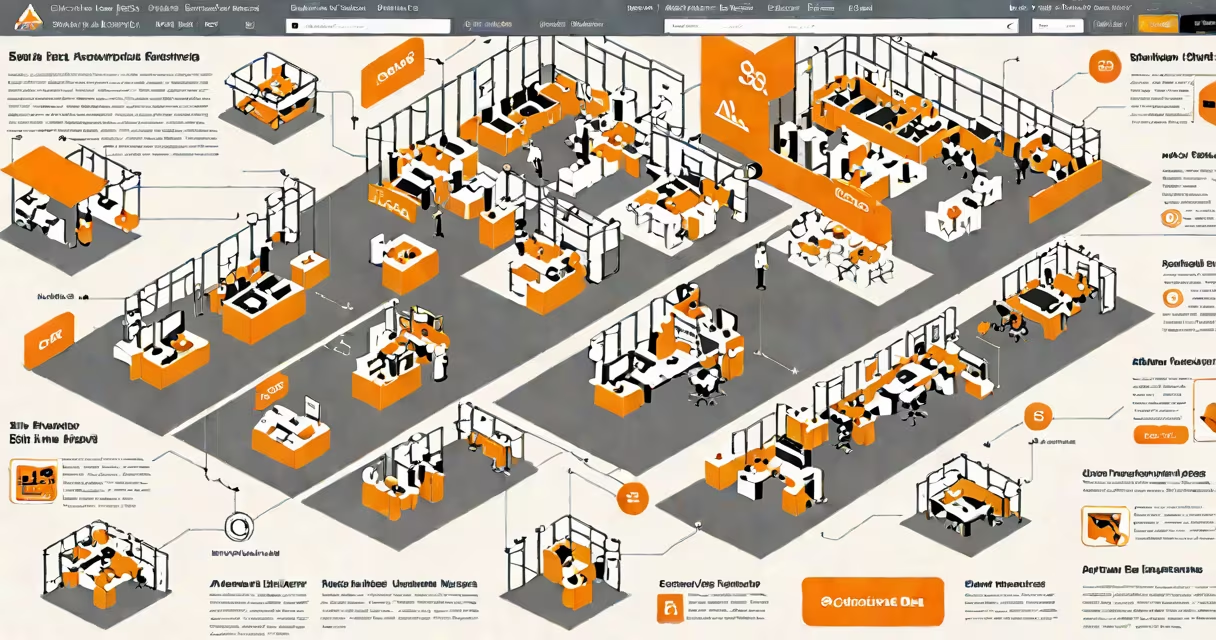
The Alibaba B2B marketplace is a global online platform that connects international buyers with verified suppliers offering goods in bulk, primarily for resale or industrial use. It operates under the Alibaba Group and serves as a central hub for cross-border trade, enabling businesses to source products directly from manufacturers and distributors worldwide.
Launched in 1999, Alibaba B2B marketplace functions as a digital trade fair where buyers search for products using detailed filters-by category, minimum order quantity (MOQ), price range, and certifications. Suppliers list items with specifications, pricing tiers, and compliance details such as ISO or CE marks. Transactions often involve sample orders before large-scale purchases, reducing risk for buyers unfamiliar with overseas vendors.
Unlike consumer-focused marketplaces like Amazon, Alibaba B2B focuses on volume-based transactions. A buyer purchasing 1,000 units of LED lights from a factory in Guangzhou pays a lower per-unit rate than buying five units. The platform supports multiple payment methods including letters of credit, PayPal, and bank transfers, with escrow services to protect both parties during high-value deals.
Buyers begin by creating a profile and searching for products using keywords, categories, or advanced filters. For example, typing "industrial stainless steel valves" returns results sorted by supplier rating, MOQ, and shipping cost. Each listing includes photos, technical drawings, material composition, and production lead times.
Once a potential supplier is identified, buyers contact them via the platform's messaging system. This preserves communication history and enables dispute resolution if issues arise. After negotiation, a purchase order is issued through Alibaba's Trade Assurance program, which verifies supplier legitimacy and guarantees delivery or refunds if terms aren't met.
Shipping options vary. Buyers can choose express delivery (3-7 days), air freight (5-10 days), or sea freight (20-45 days). Sea freight is common for bulky or heavy goods due to lower costs per unit. Import duties and customs clearance are handled separately by the buyer or a third-party logistics provider.
Suppliers on Alibaba B2B fall into three main tiers based on verification level and business size:
| Type | Verification Level | Typical MOQ | Common Products |
|---|---|---|---|
| Gold Supplier | Verified identity, business license, on-site audit | 100-1,000 units | Electronics, textiles, machinery parts |
| Platinum Supplier | Additional factory inspection, export experience | 500-5,000 units | Industrial equipment, automotive components |
| Regular Supplier | Basic registration only | 10-100 units | Handmade crafts, niche accessories |
Gold and Platinum suppliers undergo annual audits by Alibaba's third-party verification team. These audits confirm factory capacity, product consistency, and compliance with labor standards. Over 60% of suppliers with Gold status have passed at least two audits since 2020, according to Alibaba Group's 2021 Supplier Verification Report.
Top product categories include electronics (12% of traffic), home & garden (9%), and industrial supplies (8%). The platform processes over 2 million new product listings monthly, with 40% originating from China's Pearl River Delta region.
Small retailers, importers, and resellers use Alibaba B2B to source inventory at scale. A U.S.-based e-commerce store owner purchased 500 custom-printed tote bags from a supplier in Shenzhen. The supplier quoted $2.10 per unit with a 10% discount for orders over 500. After paying $1,050 via Alibaba's secured payment system, the buyer received samples within seven days. Upon approval, the full shipment arrived in 28 days via container ship.
Manufacturers also use the platform to find raw materials. A German bicycle frame maker sourced aluminum alloy tubing from a supplier in Jiangsu Province. The supplier provided mill test certificates and confirmed a 4-week lead time. The buyer negotiated a 15% volume discount and arranged for shipment via FOB (Free On Board) terms, meaning responsibility transferred at the port of loading.
Many assume all Alibaba suppliers are low-cost or untrustworthy. That's incorrect. Verified suppliers on the platform often produce goods at competitive prices due to economies of scale and direct factory access. However, not all suppliers meet quality standards. One study by the University of Hong Kong found that 14% of sampled products failed to match their advertised specifications, particularly in electronics and textiles.
A key distinction: Alibaba B2B is not a dropshipping service. While some suppliers offer dropshipping, most require minimum order quantities. A buyer cannot order one unit of a product and expect the supplier to ship it directly to a customer. This differs from platforms like Oberlo or Spocket, which integrate with Shopify and handle fulfillment.
I once tested a claim from a supplier who said they could deliver 100 custom-designed phone cases in 10 days. After placing the order, the supplier delayed production for two weeks, citing "material shortages." The order was canceled under Trade Assurance, and I lost $120 in shipping fees. This experience taught me to verify supplier response times and check past transaction records before committing.
Another misconception is that Alibaba B2B eliminates the need for due diligence. It doesn't. Buyers must still verify product safety, intellectual property rights, and shipping logistics. The U.S. Consumer Product Safety Commission reports that 3% of imported goods from Alibaba were recalled between 2018 and 2022 due to safety violations, mostly in toys and electrical devices.
alibaba b2b marketplace is a useful tool for scaling procurement operations globally. It reduces friction in international trade by providing verified suppliers, standardized payment systems, and transparent communication channels. Success requires careful vetting-not just of suppliers, but of product specifications, shipping timelines, and compliance documentation.
For buyers seeking small batches or customized items, alternative platforms may better suit their needs. But for volume sourcing, especially in manufacturing, textiles, and industrial components, Alibaba B2B remains one of the most accessible and widely used gateways to global supply chains.