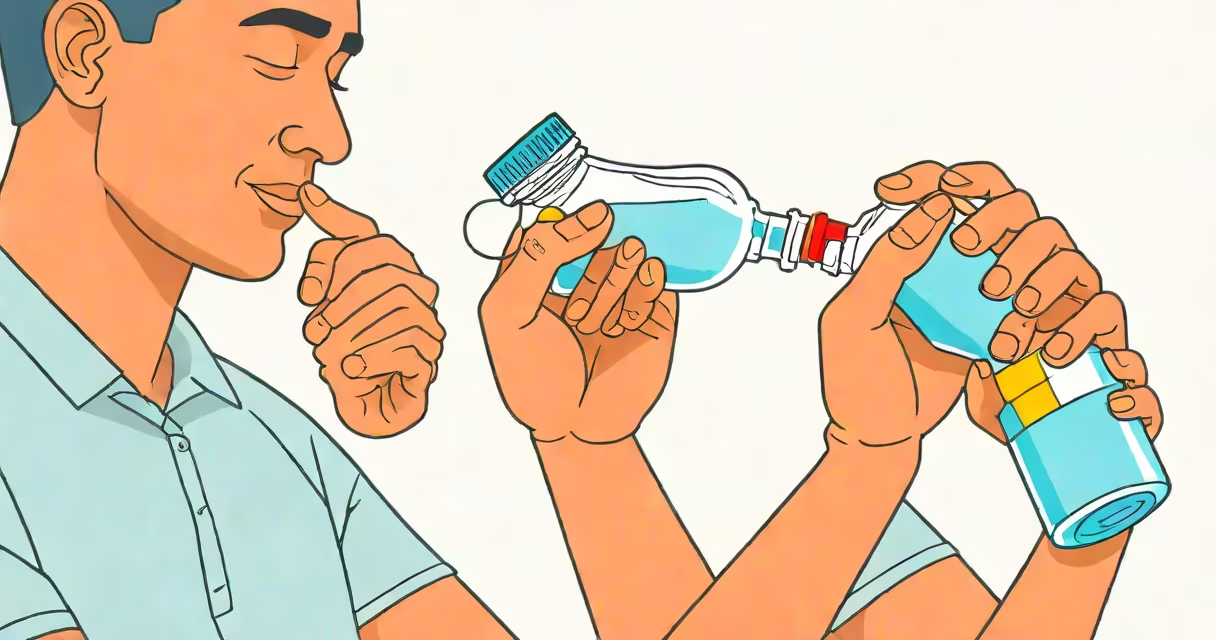
Acid reflux pain results from stomach acid flowing back into the esophagus, causing burning discomfort behind the breastbone. Over-the-counter medications like antacids, H2 blockers, and proton pump inhibitors (PPIs) reduce acid or neutralize it quickly. For mild or occasional symptoms, natural approaches such as ginger or baking soda may provide relief.
Antacids neutralize existing stomach acid. They act within minutes and typically relieve pain for 1-2 hours. Common ingredients include calcium carbonate, magnesium hydroxide, and aluminum hydroxide. These work by raising the pH in the stomach, reducing irritation to the esophageal lining.
H2 blockers, such as famotidine (Pepcid) and ranitidine (Zantac), reduce acid production by blocking histamine receptors in the stomach lining. They take 30-60 minutes to start working and last 6-12 hours. They're effective for preventing nighttime reflux and managing moderate symptoms.
Proton pump inhibitors (PPIs), including omeprazole (Prilosec) and lansoprazole (Prevacid), inhibit the enzyme responsible for acid secretion. They require 1-4 days of daily use to reach full effect and are most effective when taken before meals. PPIs suppress acid production for up to 24 hours and are recommended for frequent or persistent reflux.
The choice of medication depends on symptom frequency and severity. Occasional heartburn lasting less than twice a week may respond well to antacids. For symptoms occurring more than twice weekly, H2 blockers or PPIs are preferred.
| Treatment Type | Onset Time | Duration of Effect | Best For |
|---|---|---|---|
| Antacids (e.g., Tums, Maalox) | 1-5 minutes | 1-2 hours | Occasional, mild pain |
| H2 Blockers (e.g., Pepcid AC, Zantac 360) | 30-60 minutes | 6-12 hours | Frequent heartburn, nighttime symptoms |
| PPIs (e.g., Prilosec OTC, Prevacid 24HR) | 1-4 days of use | 24 hours | Recurrent or chronic reflux |
Antacids are safe for short-term use but can cause constipation (calcium-based) or diarrhea (magnesium-based). Long-term use of H2 blockers is linked to reduced vitamin B12 absorption. PPIs, while effective, carry risks of bone fractures, low magnesium levels, and increased infection risk with prolonged use. The FDA advises limiting PPI use to 14 days unless directed otherwise.
Some people prefer natural remedies due to concerns about side effects. Ginger, shown in a 2019 double-blind study published in Phytotherapy Research, reduced reflux symptoms in 60% of participants compared to placebo. Fresh ginger tea or capsules (250-500 mg) taken before meals may ease nausea and slow gastric emptying.
Baking soda (sodium bicarbonate) mixed in water creates a rapid acid-neutralizing effect. A ½ teaspoon dissolved in 4 oz of water can relieve pain within minutes. However, it's high in sodium-1,250 mg per dose-and not suitable for people with hypertension or kidney disease.
Other natural strategies include elevating the head of the bed by 6 inches, avoiding eating 3 hours before lying down, and limiting alcohol, caffeine, and spicy foods. A 2021 review in Journal of Clinical Gastroenterology found that lifestyle changes alone improved symptoms in 45% of patients with mild reflux.
Many assume antacids are harmless because they're available without a prescription. This is incorrect. Regular use of calcium-based antacids increases the risk of kidney stones. A 2020 study in Renal Failure found users had a 30% higher incidence of nephrolithiasis over five years.
Another error is using PPIs long-term without medical supervision. The American Gastroenterological Association recommends stopping PPIs after eight weeks if symptoms resolve, to avoid rebound hyperacidity. Patients who stop abruptly often experience worsening symptoms.
People also confuse acid reflux with heart attacks. Chest pain from reflux feels like a burning sensation behind the sternum, often worsened by bending or lying down. Heart attack pain is typically crushing, radiates to the left arm or jaw, and occurs during exertion. If chest pain lasts longer than 15 minutes or includes sweating, dizziness, or shortness of breath, seek emergency care immediately.
A 42-year-old office worker reported weekly acid reflux pain after lunch. He initially used Tums (calcium carbonate) but experienced bloating and constipation. Switching to famotidine 20 mg twice daily before lunch and dinner reduced his episodes by 70%. After four weeks, he stopped the medication and maintained improvement through dietary changes-cutting out tomatoes, citrus, and late-night snacks-and elevating his bed.
He later tried ginger supplements (500 mg twice daily) during a flare-up. While not as fast-acting as famotidine, ginger helped prevent nausea and reduced reliance on antacids. His doctor confirmed no signs of Barrett's esophagus or erosive esophagitis via endoscopy.
Acid reflux pain that persists despite over-the-counter treatment for more than two weeks warrants evaluation. Red flags include difficulty swallowing, unexplained weight loss, or black stools (indicating gastrointestinal bleeding). Persistent symptoms may indicate gastroesophageal reflux disease (GERD), which requires prescription therapy or endoscopic assessment.