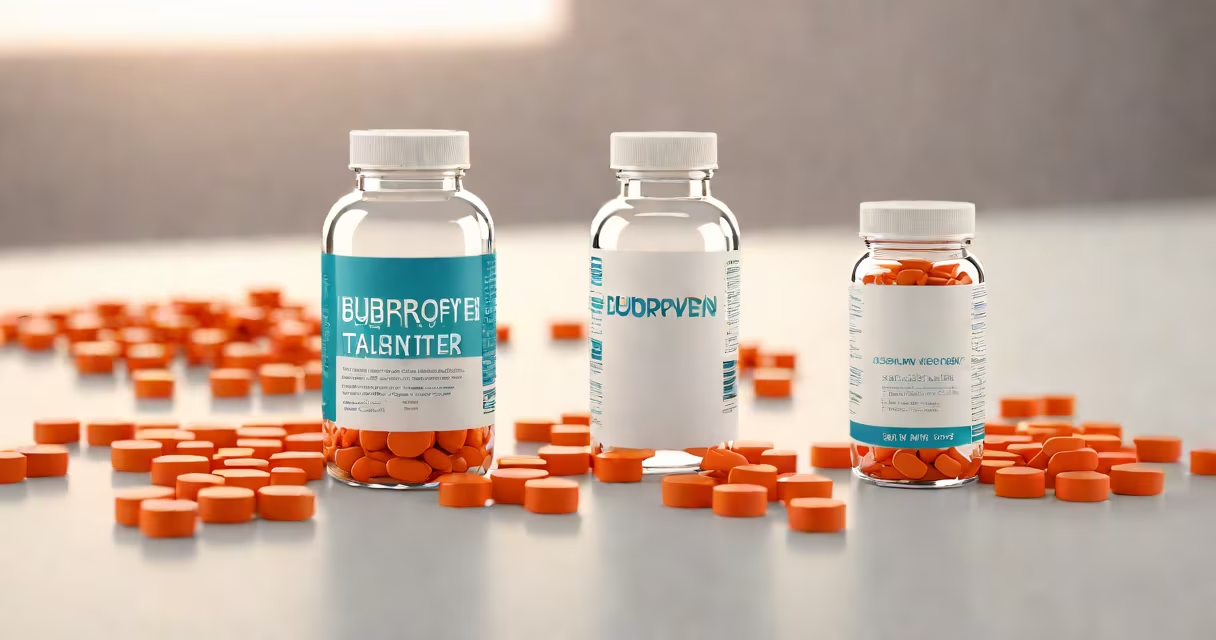
Over the counter anti inflammatory medications are nonprescription drugs that reduce pain, swelling, and fever by inhibiting enzymes involved in inflammation. These include common NSAIDs like ibuprofen, naproxen, and aspirin, widely available in pharmacies and grocery stores.
These drugs act by blocking cyclooxygenase (COX) enzymes, which produce prostaglandins-chemicals that promote inflammation, pain, and fever. By reducing prostaglandin levels, over the counter anti inflammatory agents relieve discomfort associated with minor injuries, arthritis flare-ups, menstrual cramps, and colds.
According to the U.S. Food and Drug Administration (FDA), ibuprofen and naproxen sodium are approved for short-term use in adults for conditions such as headaches, muscle soreness, and joint pain. Aspirin is also approved for pain and fever reduction, though it's less commonly used for chronic inflammation due to higher gastrointestinal risk.
When tissue is injured or infected, cells release signaling molecules called prostaglandins. These substances cause blood vessels to dilate, increase permeability, and attract immune cells-hallmarks of inflammation. Prostaglandins also sensitize nerve endings, leading to pain perception.
Over the counter anti inflammatory drugs interfere with the COX enzyme pathway. There are two main forms: COX-1 and COX-2. COX-1 protects the stomach lining and supports platelet function. COX-2 is primarily activated during injury and inflammation. Traditional NSAIDs like ibuprofen inhibit both enzymes, which explains their effectiveness-but also their side effect profile.
A key distinction: newer COX-2 selective inhibitors (like celecoxib) are prescription-only because they carry cardiovascular risks. Over the counter options are nonselective, meaning they suppress both COX-1 and COX-2. This dual action reduces inflammation but increases the chance of stomach irritation and bleeding.
The most widely used over the counter anti inflammatory drugs fall into three categories based on chemical structure and mechanism:
| Drug | Active Ingredient | Typical Dose (Adults) | Duration of Action | Common Brand Names |
|---|---|---|---|---|
| Ibuprofen | 200 mg per tablet | Every 6-8 hours | 6-8 hours | Advil, Motrin |
| Naproxen Sodium | 220 mg per tablet | Every 8-12 hours | 12 hours | Aleve |
| Aspirin | 325 mg per tablet | Every 4-6 hours | 4-6 hours | Bayer, Ecotrin |
Each drug has a different half-life and dosing schedule. Ibuprofen is often preferred for acute pain due to its rapid onset. Naproxen provides longer-lasting relief, making it useful for ongoing conditions like osteoarthritis. Aspirin is unique in that it irreversibly blocks platelets, which is why it's used in low doses for heart attack prevention-but this property makes it unsuitable for frequent use in healthy individuals.
One lesser-known fact: ibuprofen is not effective for all types of pain. A 2021 study published in Pain Medicine found that NSAIDs were less effective for neuropathic pain (nerve-related pain) compared to musculoskeletal pain. This means someone with sciatica or diabetic nerve pain may see little benefit from over the counter anti inflammatory drugs.
Over the counter anti inflammatory drugs are routinely used for everyday ailments. The American College of Rheumatology recommends them as first-line treatment for mild to moderate osteoarthritis pain, especially when combined with weight management and physical therapy.
For example, a 45-year-old office worker with lower back pain from sitting too long might take 400 mg of ibuprofen every six hours for two days. After that, if symptoms persist, they'd consult a doctor. This is standard usage and aligns with FDA guidelines.
They're also used to manage fever and discomfort during viral infections. A 2020 review in Frontiers in Pharmacology confirmed that ibuprofen effectively reduces fever in children and adults, though it should not be given to children under 6 months without medical advice.
Many people assume over the counter anti inflammatory drugs are safe simply because they don't require a prescription. That's incorrect. Long-term or high-dose use increases the risk of gastrointestinal bleeding, kidney damage, and hypertension.
One major misconception is that these drugs can treat the underlying cause of inflammation. They only mask symptoms. For example, someone with rheumatoid arthritis-a chronic autoimmune condition-might take naproxen daily for years. While it reduces joint pain, it doesn't slow disease progression. Without proper medical care, joint damage continues unchecked.
Another error: combining multiple over the counter anti inflammatory products. Taking both ibuprofen and aspirin together raises bleeding risk dramatically. The National Institutes of Health warns against mixing NSAIDs unless directed by a physician.
During my time working in a community pharmacy, I saw a patient take Aleve and Advil simultaneously to relieve severe knee pain. He developed stomach bleeding within 48 hours. His doctor later explained that overlapping NSAID use doubled his risk of gastrointestinal complications.
People with certain health conditions should not use these drugs without consulting a doctor. This includes those with:
Pregnant women in the third trimester should avoid all NSAIDs. The FDA states they can cause premature closure of the ductus arteriosus in fetuses, a critical blood vessel in the developing heart.
Children under 12 should not take ibuprofen or naproxen without pediatric dosing guidance. Aspirin is contraindicated in children due to the risk of Reye's syndrome, a rare but life-threatening condition linked to viral infections and aspirin use.
If over the counter anti inflammatory drugs aren't suitable or don't provide relief, alternatives exist. Acetaminophen (Tylenol) reduces pain and fever but does not affect inflammation. It's safer for people with stomach issues but offers no anti-inflammatory benefit.
For persistent pain, a healthcare provider may prescribe stronger NSAIDs, corticosteroids, or disease-modifying antirheumatic drugs (DMARDs). This guide covers anti inflammatory options for pets, including dosage considerations and safety warnings specific to animals.
When pain lasts more than seven days despite consistent use, worsens, or is accompanied by swelling, redness, or fever, medical evaluation is necessary. Self-treatment without professional oversight can delay diagnosis of serious conditions like infection, gout, or cancer.
Understanding the role of over the counter anti inflammatory drugs helps prevent misuse. They are effective tools for temporary relief but not cures. Always follow label instructions and consult a healthcare provider if you have concerns about long-term use.