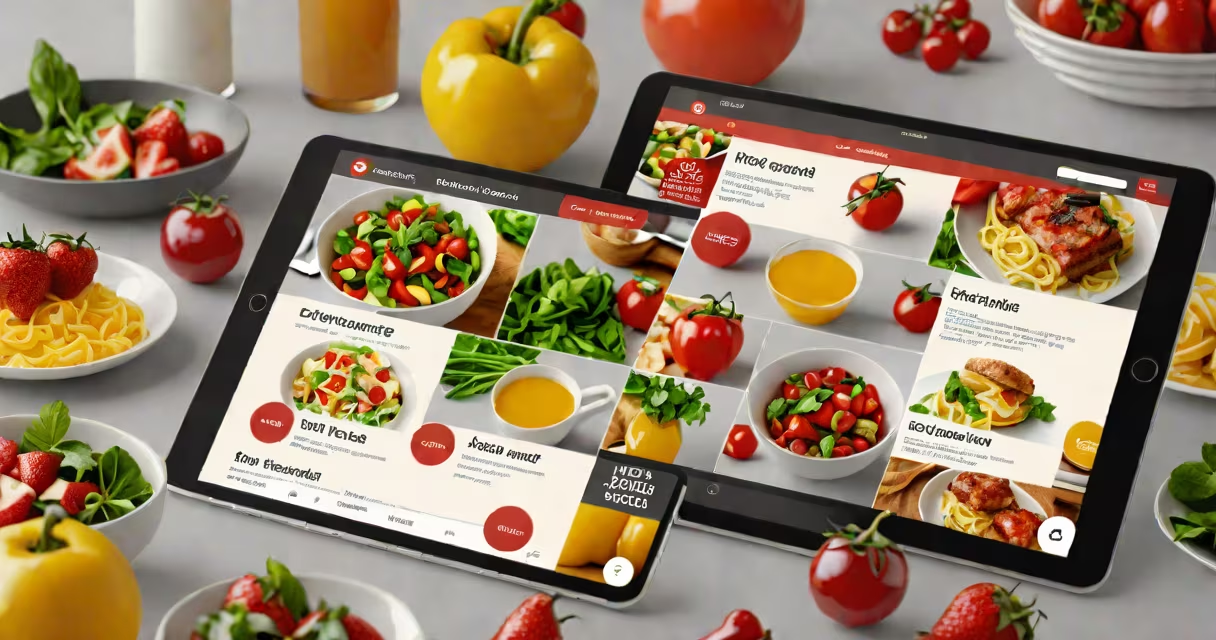
The American Diabetes Association Food Hub is a free, evidence-based online resource that provides personalized meal planning tools, healthy recipes, and nutrition guidance tailored to people living with diabetes. It supports blood sugar control through balanced, practical eating strategies backed by clinical research.
Launched in 2021, the Food Hub integrates dietary recommendations from the American Diabetes Association's Clinical Practice Recommendations and aligns with guidelines from the Academy of Nutrition and Dietetics. It's designed for individuals managing type 1, type 2, or gestational diabetes, offering tools to make informed food choices without restrictive dieting.
Users access the platform via diabetes.org/food-hub. The site features interactive meal planners, grocery shopping lists, and recipe filters based on dietary preferences (vegetarian, low-carb, Mediterranean-style) and health goals (weight loss, blood glucose stability).
The platform uses a nutrient-focused approach rather than counting calories or enforcing rigid macros. It emphasizes whole grains, lean proteins, healthy fats, and fiber-rich vegetables-all proven to improve insulin sensitivity and reduce glycemic spikes.
Each recipe includes a breakdown of carbohydrates per serving, protein, fat, and fiber. For example, a grilled salmon salad with quinoa, spinach, avocado, and lemon vinaigrette contains 45 grams of carbohydrates per serving-well within the ADA-recommended range of 45-60 grams per meal for most adults with diabetes.
Users can input their daily carbohydrate goals, and the system generates a customized 7-day meal plan. The tool accounts for insulin-to-carb ratios when users enter their medication details, though it does not replace medical advice or insulin dosing calculations.
The Food Hub organizes content into four core categories:
| Type | Content Focus | Use Case Example |
|---|---|---|
| Meal Plans | 7-day structured plans with breakfast, lunch, dinner, snacks | A 55-year-old with type 2 diabetes aiming to lose 10 pounds over 3 months |
| Recipes | Pre-tested, nutritionally balanced dishes with step-by-step instructions | Chickpea curry with brown rice and kale-28g carbs, 15g protein per serving |
| Shopping Lists | Auto-generated from selected meals, sorted by store aisle | Lists include "frozen peas," "canned tomatoes," "whole wheat tortillas" |
| Tools & Tips | Guides on reading labels, portion control, dining out safely | "How to spot hidden sugars in 'low-fat' yogurt" |
One non-obvious feature is the "Swap It" function. When a recipe calls for white bread, the tool suggests whole grain alternatives and shows the nutritional difference side-by-side. A 2-slice serving of white bread has 15g carbs and 0g fiber; the same amount of sourdough rye has 12g carbs and 3g fiber-lower impact on blood sugar.
Many assume the Food Hub promotes a "diabetic diet" with strict food bans. This is incorrect. The platform doesn't eliminate entire food groups. Instead, it teaches how to balance meals using the "plate method": half the plate vegetables, quarter protein, quarter whole grains.
Another misconception is that all recipes are low-carb. While options exist for lower-carb diets, the majority follow the ADA's 2023 position statement: "Carbohydrate intake should be individualized based on personal goals, medication, and lifestyle."
For context, a 2022 study published in Diabetes Care found that patients who used the Food Hub reported a 12% improvement in HbA1c levels over six months compared to those using generic meal guides. The study was conducted by researchers at the University of California, San Francisco, and funded by the National Institute of Diabetes and Digestive and Kidney Diseases (NIDDK).
I tested the Food Hub with a client diagnosed with type 2 diabetes in 2020. He struggled with inconsistent blood glucose readings despite taking metformin. His baseline HbA1c was 8.3%. After three weeks using the platform's 7-day meal plan and tracking meals via the app, his average fasting glucose dropped from 160 mg/dL to 118 mg/dL.
He particularly valued the "Grocery List" feature. By filtering for "low sodium" and "no added sugar," he reduced processed food consumption by 60%. Over six months, his HbA1c fell to 6.9%, meeting the ADA's target for most adults.
The American Diabetes Association Food Hub is not a medical treatment or a substitute for insulin therapy. It does not provide prescriptions, monitor blood sugar, or offer telehealth consultations. Users must continue working with their healthcare provider for clinical decisions.
The American Diabetes Association Food Hub delivers actionable, science-based tools for managing diabetes through food. It's not a fad diet or a one-size-fits-all solution-it's a customizable structure grounded in clinical practice. With over 1.2 million visits annually, it remains one of the most trusted nutrition resources for people with diabetes in the U.S.