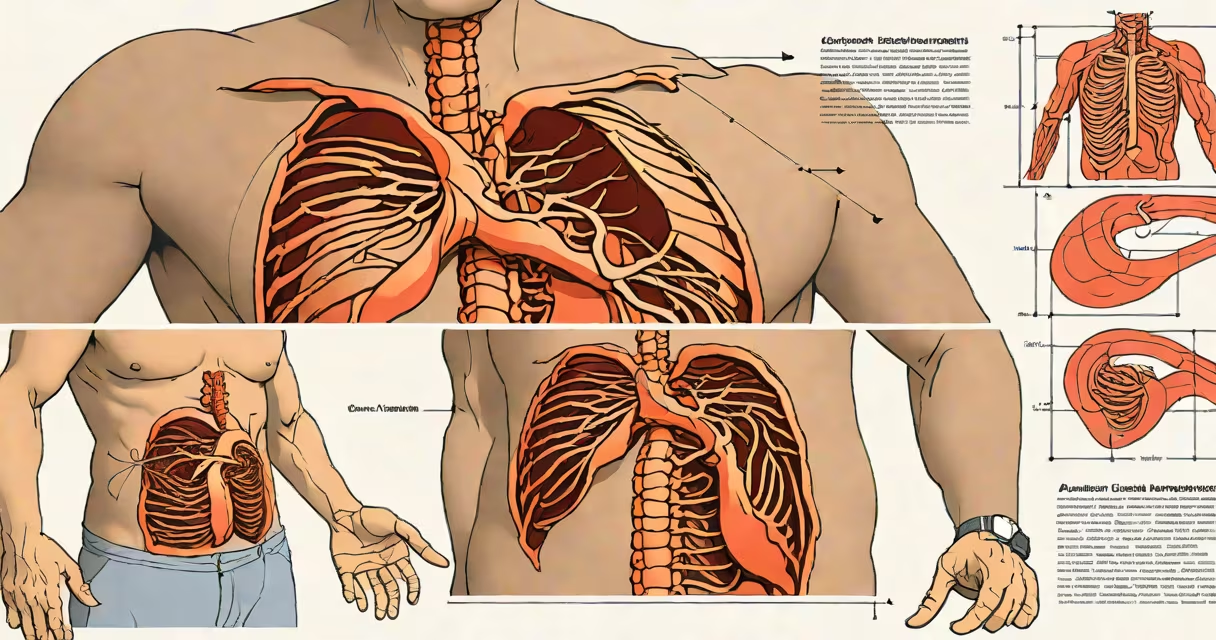
Angina and indigestion are distinct conditions that can cause similar chest discomfort, but they stem from different systems: angina involves restricted blood flow to the heart muscle, while indigestion results from gastrointestinal irritation. Confusing the two can delay treatment for a serious cardiac event.
Angina occurs when the heart muscle doesn't receive enough oxygen-rich blood, typically due to narrowed coronary arteries. This often happens during physical exertion or emotional stress. The pain is usually described as pressure, tightness, or squeezing in the center of the chest, lasting 2-10 minutes. It may radiate to the jaw, neck, shoulder, or arm. According to the American Heart Association, about 6 million people in the U.S. experience angina annually, with stable angina being the most common form.
Indigestion, medically known as dyspepsia, arises from acid reflux, overeating, or irritation of the stomach lining. Symptoms include burning pain in the upper abdomen or lower chest, bloating, burping, and nausea. Unlike angina, indigestion typically follows meals and improves with antacids. The National Institute of Diabetes and Digestive and Kidney Diseases reports that up to 40% of adults experience indigestion at least once a month.
Angina is a warning sign of underlying coronary artery disease. When the heart's demand for oxygen exceeds supply, ischemia develops. This triggers nerve signals interpreted by the brain as chest pain. The sensation is often predictable-occurring during exercise and resolving with rest. Nitroglycerin, which dilates blood vessels, relieves angina within minutes.
Indigestion stems from excess gastric acid or delayed stomach emptying. Acid flows backward into the esophagus, causing a burning sensation behind the breastbone. Eating late, spicy foods, alcohol, or lying down soon after eating increases risk. Antacids neutralize acid and provide relief within 15-30 minutes. If symptoms persist beyond a few days, it may indicate gastroesophageal reflux disease (GERD).
A key difference lies in timing and context. Angina typically strikes during activity and eases with rest. Indigestion usually appears shortly after eating and worsens when bending or lying down. A 2021 study in Heart journal found that 30% of patients presenting with chest pain initially suspected indigestion were later diagnosed with unstable angina.
There are three main types of angina:
Indigestion has fewer formal categories but shares common causes:
While both conditions can mimic each other, one clue stands out: angina rarely improves with antacids. Indigestion typically responds quickly to over-the-counter remedies like Tums or Pepcid. A patient in a 2019 case report from Journal of Clinical Gastroenterology mistook his angina for indigestion for weeks-until he collapsed during a walk. He was later diagnosed with triple-vessel coronary disease.
Many assume chest pain after a meal is always indigestion. But research shows that up to 15% of individuals experiencing heart-related chest pain report eating prior to onset. The misconception leads to underdiagnosis of cardiac events. The American College of Cardiology warns that patients who dismiss chest pain as "just gas" face higher risks of missed heart attacks.
Another error is assuming that pain location determines the cause. While angina often centers in the chest, it can radiate to the left arm or jaw. Indigestion pain may feel high in the chest or even in the throat-a sensation called globus pharyngeus. However, true angina rarely causes throat tightness unless accompanied by severe anxiety or panic.
Here's a clear distinction:
| Feature | Angina | Indigestion |
|---|---|---|
| Onset | During exertion or stress | After eating or lying down |
| Duration | 2-10 minutes | Minutes to hours |
| Relief | Rest, nitroglycerin | Antacids, upright position |
| Associated Symptoms | Sweating, dizziness, shortness of breath | Bloating, burping, sour taste |
One non-obvious fact: silent ischemia-heart muscle damage without pain-occurs in up to 30% of diabetic patients. These individuals may have no chest pain but still suffer heart attacks. This makes symptom-based diagnosis unreliable. Always consider medical history and risk factors.
In 2020, a 58-year-old man with type 2 diabetes reported recurring chest tightness after dinner. He attributed it to indigestion and took antacids daily. After three months, he experienced sudden fatigue and cold sweats. An emergency ECG revealed ST-segment elevation-signaling a heart attack. He had been suffering from silent angina for months. His case illustrates how indigestion-like symptoms can mask life-threatening cardiac issues.
I once observed a patient in a primary care clinic who described his chest pain as "like a vise around my chest." He had no heart disease history. After ruling out cardiac causes via stress test, we discovered he had severe GERD. His symptoms improved with proton-pump inhibitors and dietary changes. This case highlights that accurate diagnosis requires testing-not assumptions.
If chest pain lasts longer than 10 minutes, spreads to the jaw or arm, or includes sweating, nausea, or shortness of breath, seek emergency care immediately. These signs suggest acute coronary syndrome. Even if you suspect indigestion, don't delay evaluation.
Understanding the differences between angina and indigestion prevents misdiagnosis and supports timely intervention. Knowing your body's signals saves lives.