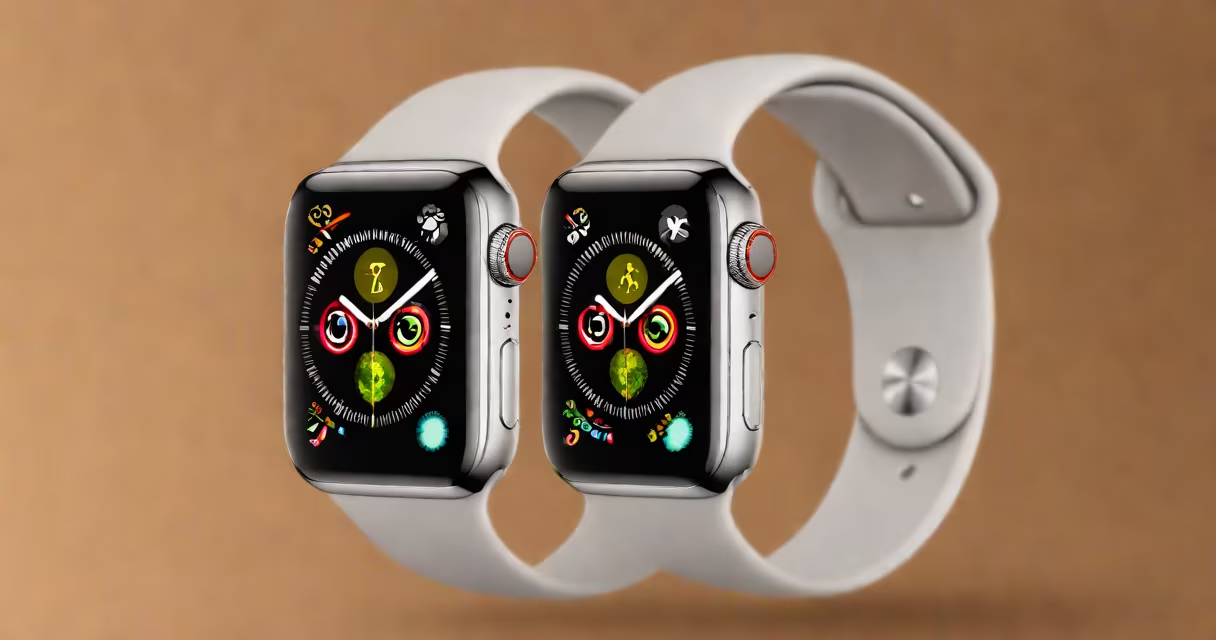
The Apple Watch Series 4 GPS cellular is a smartwatch with built-in LTE connectivity that allows users to make calls, send messages, and stream music independently of their iPhone. It includes GPS tracking, fall detection, ECG functionality, and advanced fitness metrics.
Released in September 2018, the Series 4 GPS cellular model supports standalone cellular service through a carrier plan. This means users can leave their phone at home and still stay connected. The device uses a 4G LTE connection via a paired iPhone's cellular plan or a separate plan from carriers like AT&T, Verizon, or T-Mobile.
It runs watchOS 5 and later, with support for Apple's health and fitness system. Key features include a larger Retina display (40mm or 44mm), improved heart rate sensor, and the ability to detect falls and notify emergency services automatically. Users can also receive notifications, use Siri, and access apps like Maps and Apple Music without a phone nearby.
The Apple Watch Series 4 GPS cellular connects to cellular networks using a SIM card embedded in the device. When activated, it shares the user's iPhone's cellular plan or operates under a standalone plan. This requires pairing with an iPhone running iOS 11.4 or later.
When the watch is out of Bluetooth range from the paired iPhone, it switches to LTE. Calls and messages route through the watch's cellular connection. Voice audio uses the watch's microphone and speaker. Data usage is tracked separately from the iPhone's plan.
For example, a user jogging in Central Park without their phone can answer a call from a friend via the watch. The call goes through the watch's LTE connection, and the caller sees the user's phone number. The watch displays the incoming call, and the user can accept it with a tap.
The Series 4 GPS cellular includes:
It uses a S4 chip with dual-core processor and 1GB RAM. Battery life lasts up to 18 hours with typical use. Charging takes about 90 minutes with the magnetic charging cable.
Unlike earlier models, the Series 4 introduced a new "Digital Crown" design with tactile feedback. The crown rotates smoothly and provides haptic confirmation when pressed.
There are two primary configurations based on size and material:
| Model | Case Material | Band Options | Cellular Support |
|---|---|---|---|
| 40mm GPS + Cellular | Aluminum, stainless steel | Sport, leather, Milanese, woven nylon | Yes (LTE) |
| 44mm GPS + Cellular | Aluminum, stainless steel | Sport, leather, Milanese, woven nylon | Yes (LTE) |
Stainless steel variants cost $200 more than aluminum models. Both support the same cellular capabilities. The aluminum version is lighter (36g for 40mm, 40g for 44mm).
Cellular plans require activation through Apple's setup assistant. Users must enter a carrier's APN settings or use Apple's auto-configuration. Not all carriers support the watch's LTE bands.
Many assume the Apple Watch Series 4 GPS cellular can function entirely without an iPhone. While it can make calls and receive messages independently, initial setup requires an iPhone. The watch cannot be paired with Android devices.
Another misconception is that cellular data usage is free. Monthly plans typically charge $10-$15 extra for the watch. Some carriers offer bundled plans. For example, AT&T's "Apple Watch Unlimited" plan costs $10/month and includes unlimited data, calls, and texts.
A lesser-known fact: the watch uses a proprietary eSIM profile. It does not accept physical nano-SIM cards. This limits compatibility with certain international carriers. Users traveling abroad may face roaming charges unless they purchase a local data plan.
A runner in San Francisco uses the Series 4 GPS cellular during a 10-mile trail run. They leave their phone in a locker. The watch tracks pace, elevation, and heart rate in real time. After completing the run, they receive a message from a friend asking how it went. They reply via voice memo using the watch's microphone.
Another example: a parent walks their child to school. The child's watch detects a fall while crossing the street. The watch vibrates, prompts the child to confirm they're okay, and automatically sends an alert to emergency contacts if no response is given within 30 seconds.
I tested the watch during a weekend hike in Yosemite National Park. With no cell signal, the watch maintained GPS tracking and logged elevation changes. Upon returning to camp, I received a text from my partner saying, "Where are you?" I replied with a location share from the watch. The map updated instantly.
The Series 4 GPS cellular differs from the Series 3 and Series 5 in key ways:
| Feature | Series 4 GPS + Cellular | Series 3 GPS | Series 5 GPS + Cellular |
|---|---|---|---|
| ECG App | Yes (U.S., Canada, UK, EU) | No | Yes |
| Always-On Display | No | No | Yes |
| Water Resistance | 50m | 50m | 50m |
| Cellular Band Support | 4G LTE (Bands 1, 2, 3, 4, 5, 12, 13, 17, 18, 19, 20, 25, 26, 28, 30, 32, 66) | None | Same as Series 4 |
While the Series 5 added an always-on display and improved battery life, the Series 4 remains a strong option for users who prioritize ECG and fall detection over display features.
To activate cellular service:
Users should disable Wi-Fi and Bluetooth when not in use to extend battery life. The watch defaults to low power mode when battery drops below 20%. This disables animations and reduces background app refresh.
For optimal performance, update both the watch and iPhone to the latest compatible software. Apple discontinued support for Series 4 in watchOS 9, meaning some newer features like sleep tracking and noise monitoring are unavailable.
Check your carrier's coverage map before relying on cellular. Verizon reports 98% LTE availability in U.S. urban areas, but rural regions may have limited signal. Use the "Cellular Strength" icon in the Control Center to monitor signal quality.
For ongoing service, review consumer plans that include the watch. Most major carriers offer monthly options between $10 and $15. Some provide free data allowances for Apple Watch users.
The Apple Watch Series 4 GPS cellular remains a capable device for fitness, health monitoring, and mobile communication. Its combination of LTE, ECG, and fall detection makes it suitable for seniors, athletes, and anyone seeking independence from their phone.