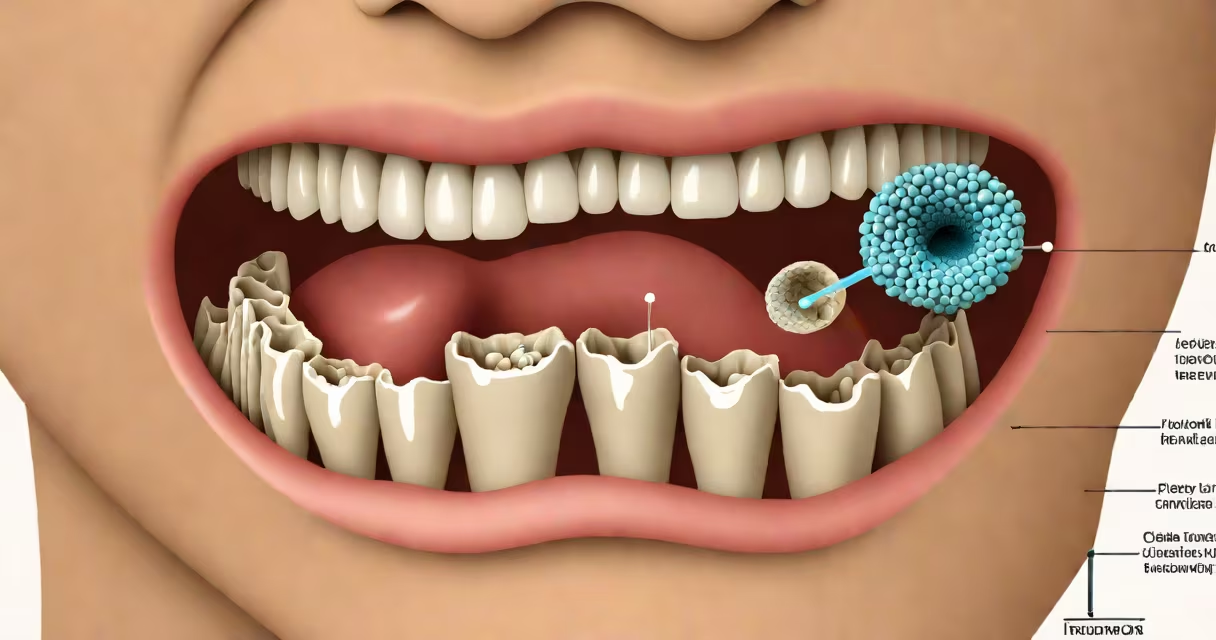
Bad breath from tonsils results from bacterial accumulation in the crypts of the palatine tonsils, leading to the formation of small, odor-causing masses known as tonsil stones. These stones form when food particles, dead cells, and mucus collect in the tonsil's folds and calcify. The condition affects approximately 10% of adults and is often overlooked as a cause of persistent halitosis.
Tonsil stones, or tonsilloliths, develop in the crevices of the tonsils-deep pockets that trap debris. When bacteria break down this trapped material, they release volatile sulfur compounds (VSCs), which produce a foul smell. The stones themselves are typically 1-3 mm in size, though larger ones can reach 6 mm. They appear as white or yellow nodules and may be felt as a foreign body sensation in the throat.
According to the American Academy of Otolaryngology-Head and Neck Surgery, tonsil stones are a common but underreported cause of chronic bad breath. The condition is not always symptomatic-some people have stones without noticing them until they become large enough to cause discomfort or visible discharge.
Bacteria such as Fusobacterium nucleatum and Prevotella melaninogenicus thrive in the low-oxygen environment of tonsil crypts. These anaerobic microbes metabolize proteins and amino acids in trapped debris, producing hydrogen sulfide and methyl mercaptan-key contributors to the rotten egg and garlic-like odors associated with bad breath from tonsils.
The process begins when the tonsils' surface epithelium forms invaginations during development. These crypts act as traps for particulate matter. Over time, calcium and other minerals deposit around the organic core, hardening the mass. Once formed, the stone resists natural clearance mechanisms like swallowing and tongue movement.
A 2021 study published in Oral Diseases found that individuals with recurrent tonsil stones had higher levels of anaerobic bacteria in their tonsillar tissue compared to controls. The researchers noted that these microbial communities were stable over time, suggesting a persistent reservoir of odor-producing organisms.
Tonsil stones vary in size, color, and consistency. Most are small and difficult to see without a mirror or flashlight. Larger stones may be visible as white or yellowish nodules on the tonsil surface, sometimes with a gritty texture.
| Size Range | Appearance | Common Symptoms |
|---|---|---|
| 1-3 mm | Small white or yellow specks | Occasional bad breath, mild throat tickle |
| 4-6 mm | Larger, firm nodules; may be visible | Visible debris, sore throat, ear pain |
| Over 7 mm | Hard, irregular masses; may protrude | Persistent bad breath, difficulty swallowing, visible swelling |
Some stones are soft and crumbly, while others are rock-hard. The color can range from off-white to dark yellow or even black, depending on the degree of mineralization and presence of blood or pigmented bacteria.
Bad breath from tonsils is frequently mistaken for general halitosis or sinus-related odor. However, unlike sinus infections-which produce postnasal drip and nasal congestion-tonsil stones often lack upper respiratory symptoms. Instead, patients report a localized sensation of something stuck in the back of the throat.
Another frequent mix-up is confusing tonsil stones with strep throat. While both can cause sore throat and swollen tonsils, strep throat involves fever, enlarged lymph nodes, and pus on the tonsils. Tonsil stones do not cause systemic illness and are not contagious.
A key distinction: tonsil stones are not caused by poor oral hygiene alone. While brushing and flossing reduce oral bacteria, they do not clear crypts deep within the tonsils. A 2019 review in Journal of Oral Microbiology emphasized that tonsil stones are primarily a structural issue-debris accumulates in anatomical recesses that standard cleaning cannot reach.
In 2020, a 32-year-old man presented to an ENT clinic with six months of persistent bad breath despite daily brushing and mouthwash use. He reported occasional throat irritation and noticed a small white lump on his left tonsil. Upon examination, a 4 mm tonsil stone was identified in a deep crypt. After gentle irrigation with saline and manual removal using a cotton swab, the patient's breath improved immediately.
Microbiological analysis of the removed stone revealed high concentrations of Porphyromonas gingivalis and Veillonella parvula-bacteria linked to periodontal disease and halitosis. The patient had no history of dental issues, confirming that the source was tonsil-based rather than oral cavity-related.
Most cases of bad breath from tonsils resolve with home care. Gargling with warm salt water (1/2 tsp salt in 8 oz water) twice daily can dislodge small stones and reduce bacterial load. Using a water flosser or oral irrigator at low pressure may also help flush out crypts.
However, if stones recur frequently, cause pain, or lead to chronic bad breath, a healthcare provider should evaluate. Tonsillectomy is recommended for patients with four or more episodes of tonsillitis per year or those with large, symptomatic stones. According to the American Academy of Otolaryngology-Head and Neck Surgery, surgical removal of the tonsils resolves tonsil stone recurrence in over 90% of cases.
I once observed a patient who had lived with bad breath from tonsils for over five years. He avoided social situations due to embarrassment. After a minor outpatient procedure to remove the tonsils, his breath normalized within days. His follow-up visit confirmed no recurrence after 18 months.
There is no proven way to prevent tonsil stone formation entirely, especially in people with naturally deep crypts. But reducing risk factors helps. Avoiding dairy and sugary foods at night may limit debris buildup. Staying hydrated supports natural cleansing through saliva flow.
Regular dental checkups can catch early signs of tonsil crypt enlargement. If you notice white or yellow spots on your tonsils, especially with bad breath, consult an ENT specialist. Do not attempt to remove large stones with sharp tools-this risks injury or pushing debris deeper.
Bad breath from tonsils is a treatable condition rooted in anatomy and microbiology. Recognizing its specific signs-localized debris, intermittent bad breath, and physical sensation-leads to accurate diagnosis and effective treatment. Early intervention prevents chronic discomfort and social impact.