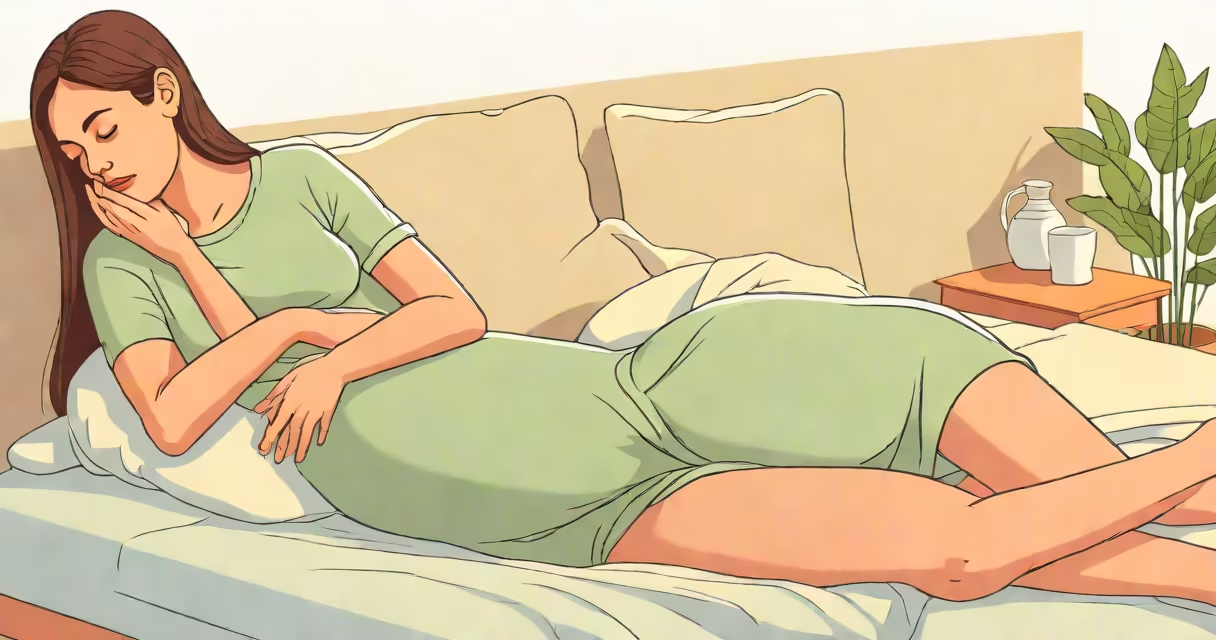
Bad cramping in the first trimester refers to sharp, persistent, or severe abdominal pain during the first 12 weeks of pregnancy that goes beyond typical mild twinges. It may indicate normal uterine changes, but can also signal complications such as ectopic pregnancy or miscarriage.
First-trimester cramping results from rapid hormonal shifts and physical changes as the uterus expands. Progesterone relaxes smooth muscle, including the intestines and uterine walls, which can cause bloating and cramping. The embryo implanting into the uterine lining also triggers minor contractions. These are usually mild and intermittent.
However, bad cramping-defined as pain that lasts longer than a few minutes, worsens over time, or occurs with bleeding-is not normal. The American College of Obstetricians and Gynecologists (ACOG) states that any significant abdominal pain during early pregnancy warrants medical evaluation to rule out serious conditions.
Cramping begins around week 5 to 6 of pregnancy. The fertilized egg embeds into the uterine lining, triggering localized inflammation and minor tissue remodeling. This process causes brief, wave-like sensations similar to menstrual cramps. Most women describe it as a dull ache or tightness in the lower abdomen.
As the uterus grows, ligaments stretch to accommodate the expanding organ. The round ligaments, which support the uterus, can spasm and cause sharp, one-sided cramps-often felt on the side of the pelvis. These are typically brief and resolve with movement or position changes.
When cramping becomes bad, it often involves sustained pressure, stabbing pain, or pain that radiates to the back or thighs. A 2021 study in Obstetrics & Gynecology found that women reporting severe cramping were twice as likely to have an ectopic pregnancy or spontaneous abortion compared to those with mild symptoms.
Not all cramping is the same. Different patterns suggest different underlying causes:
| Type | Characteristics | Common Causes |
|---|---|---|
| Mild, intermittent | Short bursts, low intensity, resolves on its own | Implantation, ligament stretching, gas |
| Sharp, one-sided | Pain focused on one side, may come and go | Ligament strain, ovarian cysts |
| Constant, severe | Persistent pain, worsening over hours, may include fever or dizziness | Ectopic pregnancy, miscarriage, infection |
One non-obvious distinction: cramping from constipation is often dull and located in the lower left abdomen. It improves with bowel movements. Cramping from uterine growth or implantation is typically centered in the lower midline and may come with bloating.
I once observed a patient who described "cramps like labor" at 7 weeks. She had no bleeding, but the pain was constant and woke her at night. An ultrasound confirmed a missed miscarriage-a pregnancy that stopped developing early. Her cramping wasn't from uterine contraction but from retained tissue causing inflammation. This case underscores that not all cramping is benign.
Bad cramping requires prompt attention if accompanied by any of the following:
According to the CDC, ectopic pregnancies occur in about 1 in 50 pregnancies. They often start with mild cramping but progress rapidly. If left untreated, they can rupture and cause life-threatening hemorrhage. Early diagnosis through transvaginal ultrasound is critical.
Some women mistake bad cramping for food poisoning or a urinary tract infection. But unlike UTIs-which cause burning during urination-early pregnancy cramping is unrelated to bladder function. A urine test can differentiate between infection and pregnancy-related pain.
For mild cramping, simple measures often help. Staying hydrated supports digestion and reduces bloating. Walking 10-15 minutes daily improves blood flow and eases ligament tension. Warm baths (not hot) can relieve muscle spasms.
Over-the-counter acetaminophen (Tylenol) is safe in pregnancy for pain relief, but avoid ibuprofen and aspirin. ACOG recommends no more than 3,000 mg per day of acetaminophen during pregnancy.
If cramping persists or worsens, consult your provider. They may order blood tests to check hCG levels and progesterone. Low progesterone can contribute to cramping and increase miscarriage risk. In some cases, progesterone supplements are prescribed.
While cramping is common, bad cramping isn't normal. It's not just "part of being pregnant." Recognizing red flags and seeking timely care protects both mother and fetus. If you're unsure, don't wait-contact your healthcare provider.
Bad cramping first trimester is not a single event-it's a warning sign. When pain feels intense, lasts, or comes with other symptoms, it's time to act. Your health and your baby's well-being depend on it.