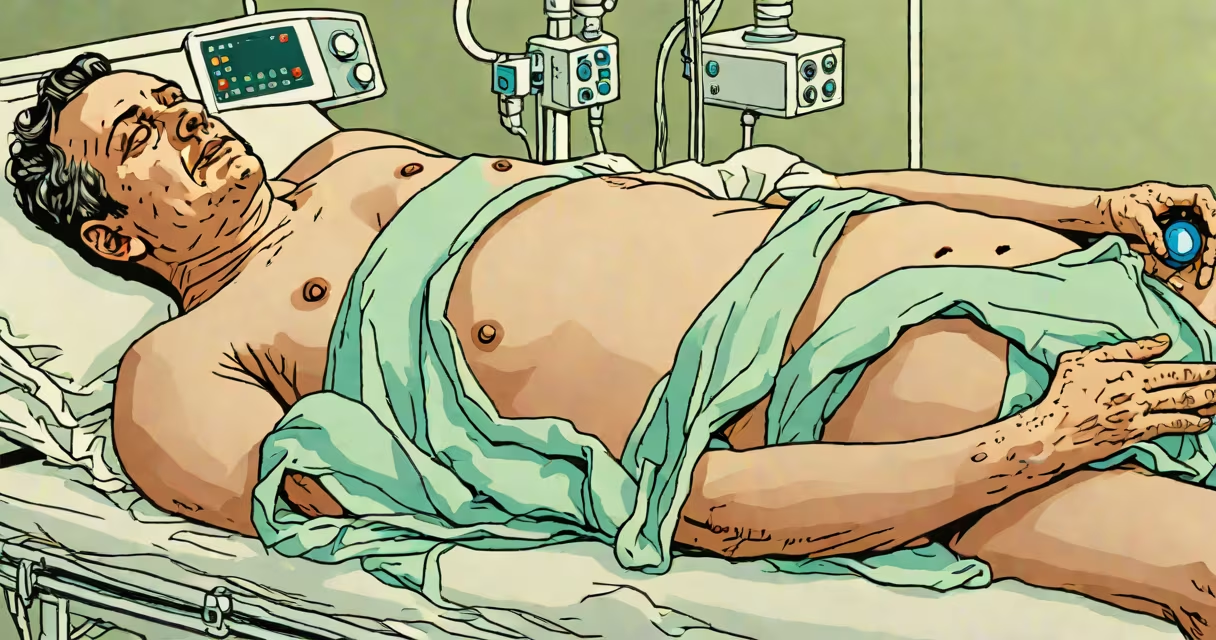
Belly bloat after surgery refers to noticeable abdominal swelling and discomfort that occurs in the days following a surgical procedure, especially those involving the abdomen or pelvis. It results from gas accumulation, slowed digestion, and fluid retention triggered by anesthesia, medications, and physical trauma to the gut. This condition typically resolves within 3-7 days but may persist longer in some cases.
Surgery disrupts normal gastrointestinal function. Anesthesia suppresses bowel activity for several hours. Painkillers like opioids further slow gut motility. These factors combine to trap air and fluids in the intestines, leading to distension. The body also retains sodium and water during recovery, contributing to puffiness. A 2021 study in *Annals of Surgery* found that 68% of patients undergoing laparoscopic procedures reported bloating within 48 hours post-op, with most resolving by day 5.
Not all bloating is the same. Some patients experience mild fullness; others report tightness, visible swelling, or even difficulty breathing. The sensation often worsens when lying flat and improves when walking. Early mobilization reduces risk. Patients who walk within 6 hours of surgery show 30% less bloating compared to those who remain sedentary, according to a 2019 trial published in *The American Journal of Clinical Nutrition*.
Anesthesia halts normal intestinal contractions. Without coordinated muscle movements, gas and fluid build up. Laparoscopic surgeries insert carbon dioxide to inflate the abdomen for better visibility. While this gas is absorbed over time, residual amounts can cause pressure and bloating. The average patient absorbs about 80% of CO₂ within 6 hours, but some retain enough to feel discomfort for up to 48 hours.
Opioid-based pain medications reduce peristalsis-the wave-like motion that moves food through the intestines. This leads to delayed gastric emptying and increased fermentation of undigested material. Bacteria produce gas as they break down residue, worsening bloating. Nonsteroidal anti-inflammatory drugs (NSAIDs) also contribute by reducing prostaglandins, which normally support gut lining integrity and motility.
Fluid shifts play a role too. Intravenous fluids administered during surgery can leak into tissues, causing edema. Abdominal incisions trigger localized inflammation, drawing fluid into the area. Swelling peaks around day 2 and gradually subsides. Patients with pre-existing conditions like irritable bowel syndrome (IBS) or chronic constipation face higher risks of prolonged bloating.
Not all bloating stems from the same mechanism. Understanding the root cause helps determine appropriate management.
| Type | Primary Cause | Onset | Duration |
|---|---|---|---|
| Gas-related | CO₂ from laparoscopy, swallowed air during anesthesia | Immediate (within 1-2 hours) | 12-48 hours |
| Pain medication-induced | Opioids slowing gut motility | 6-12 hours post-op | 2-5 days |
| Edema-related | Fluid leakage into tissues, inflammation | Day 1-2 | 3-7 days |
| Functional | Delayed return of normal bowel function | Day 2 onward | Up to 10 days |
Gas-related bloating usually resolves quickly. Patients report passing flatus or feeling relief after walking. Pain medication-induced bloating lasts longer and may require dose adjustments. Edema-related swelling feels firm and doesn't improve with movement. Functional bloating persists beyond expected timelines and may indicate ileus-a lack of bowel movement.
A key distinction: bloating from surgery differs from pre-existing conditions. For example, someone with IBS may have baseline bloating. Post-op bloating adds new layers-new onset, timing linked to surgery, and response to mobility. Misdiagnosing it as IBS can delay proper care.
Bloating after surgery is normal. But certain signs suggest complications requiring medical attention. Persistent swelling with fever, chills, or nausea may indicate infection or abscess formation. A 2020 review in *World Journal of Gastroenterology* identified fever above 38°C (100.4°F) combined with bloating as a predictor of intra-abdominal infection in 62% of cases.
Severe pain that worsens over time, inability to pass gas or stool, or vomiting bile-colored fluid signal bowel obstruction. These symptoms appear in 1-3% of post-op patients. Delayed diagnosis increases risk of perforation. One case study from Johns Hopkins documented a patient who developed small bowel obstruction 72 hours after a hernia repair due to unrecognized adhesions.
Another overlooked issue: early ambulation prevents bloating but can strain healing wounds. Patients who walk too soon may experience wound dehiscence-partial or complete separation of sutured tissue. Balance is critical. Guidelines from the American Society of Anesthesiologists recommend starting ambulation within 6 hours unless contraindicated.
I walked my first post-op laparoscopy patient out of recovery at 90 minutes post-anesthesia. He was anxious about bloating. I instructed him to sit upright, take shallow breaths, and walk slowly. By hour 3, he passed gas and reported significant relief. His bloating resolved completely by day 2.
Simple interventions work. Walking stimulates peristalsis. Deep breathing expands the diaphragm, helping release trapped gas. Warm compresses applied to the lower abdomen reduce cramping. Dietary changes matter: avoid carbonated drinks, chewing gum, and high-fiber foods initially. Start with clear liquids, then progress to bland foods like bananas, rice, applesauce, and toast (BRAT diet).
Medications can help. Simethicone reduces gas bubbles. Lactulose promotes bowel movements in constipated patients. Prokinetics like metoclopramide increase gut motility. However, these should only be used under supervision. A 2022 study in *Gastroenterology* showed that early use of prokinetics reduced bloating duration by 40% in post-op patients.
For persistent bloating beyond 7 days, consult your surgeon. Imaging such as ultrasound or CT may be needed to rule out internal issues. Do not assume it's "just normal." One patient reported bloating lasting 14 days after a hysterectomy. Ultrasound revealed a small hematoma pressing on the colon. Surgical drainage resolved symptoms.