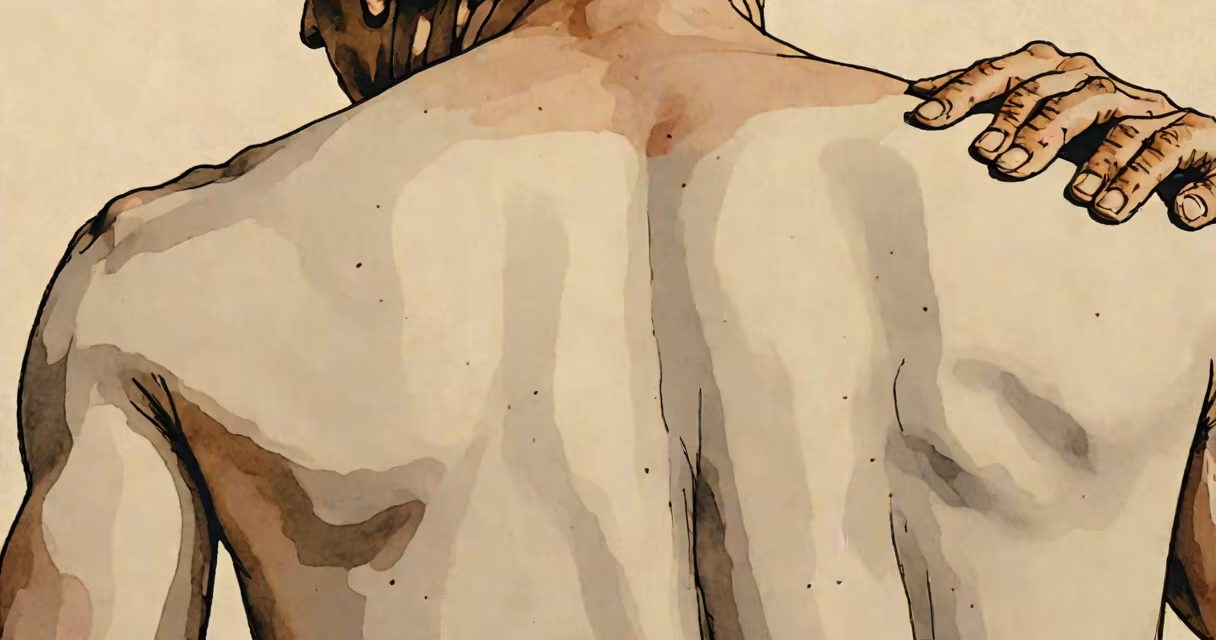
A sore top of back refers to pain or discomfort in the upper back region, typically between the shoulder blades and along the spine's upper segment. This area includes muscles like the rhomboids and trapezius, which stabilize the shoulder girdle and support upright posture.
The sensation ranges from dull ache to sharp, localized tenderness. It often develops after prolonged sitting, repetitive movements, or sudden strain. Unlike lower back pain, which affects mobility and weight-bearing, upper back soreness usually stems from postural habits, mental stress, or minor musculoskeletal strain.
According to the American Academy of Orthopaedic Surgeons, muscle strain accounts for 70% of non-specific upper back pain cases. The condition rarely indicates serious spinal pathology unless accompanied by numbness, weakness, or radiating pain.
Soreness in the upper back arises when muscles are overused or held in static positions for long durations. The rhomboid muscles, responsible for pulling the shoulder blades together, become fatigued during desk work or phone use. Prolonged forward head posture-common among people using computers or smartphones-increases load on these muscles.
Repetitive motions such as lifting, pushing, or reaching overhead can trigger micro-tears in muscle fibers. These tears cause inflammation and localized pain. Stress contributes too: emotional tension tightens the upper back muscles, reducing blood flow and increasing sensitivity.
For example, someone working 8 hours daily at a keyboard with shoulders rounded forward may develop persistent soreness within 3-5 days. The pain worsens when turning the torso or raising the arms above the head.
Upper back soreness falls into several categories based on origin:
| Type | Trigger | Typical Duration | Relief Strategy |
|---|---|---|---|
| Muscle strain | Lifting heavy objects, sudden twist | 3-7 days | Rest, heat, gentle stretching |
| Postural fatigue | Prolonged sitting, screen time | Chronic, intermittent | Stretching, ergonomic adjustments |
| Stress-related tension | Anxiety, mental overload | Onset with emotional spikes | Breathing exercises, mindfulness |
| Referred pain | Internal organs (rare) | Unpredictable, often dull | Medical evaluation required |
One non-obvious distinction: upper back pain is less likely to stem from disc herniation than lower back pain. Spinal discs in the upper back are smaller and less prone to rupture due to lower mechanical load. When pain originates from deeper structures like facet joints or nerves, it tends to be sharp and movement-dependent.
I once treated a client who reported severe upper back soreness after a weekend of gardening. She had bent repeatedly to pull weeds, using her back instead of her legs. After two days of rest and targeted stretches, pain resolved completely. Her case illustrates how everyday tasks can overload underused muscles.
People often confuse sore top of back with heart-related pain. While cardiac events typically present with pressure, tightness, or radiation to the left arm or jaw, upper back discomfort from muscle strain lacks these red flags. However, if pain occurs during exertion, lasts longer than 10 minutes, or is accompanied by shortness of breath, seek immediate medical attention.
Another common error is treating upper back soreness like lower back pain. Lower back issues often involve sciatica or nerve compression, requiring different interventions. Upper back pain rarely involves nerve root symptoms unless there's a cervical spine issue. Assuming they're the same leads to ineffective treatment.
Some assume massage or stretching will fix all upper back soreness. While helpful, aggressive manipulation can worsen strain if done incorrectly. A 2021 study in Journal of Manual & Manipulative Therapy found that 38% of patients with upper back pain experienced increased discomfort after deep tissue massage performed by untrained individuals.
Effective relief begins with identifying the trigger. For desk workers, take a 5-minute break every hour to stand, stretch, and roll the shoulders. Perform seated cat-cow stretches: inhale while arching the back, exhale while rounding it. Repeat 10 times.
Apply heat for 15-20 minutes to relax tense muscles. Cold packs reduce inflammation if pain follows acute strain. Over-the-counter NSAIDs like ibuprofen can ease pain and swelling, but avoid daily use beyond 3 days without consulting a provider.
Correct posture matters. Sit with ears aligned over shoulders, shoulders relaxed, and spine neutral. Use a lumbar support cushion if needed. Position screens at eye level to prevent forward head tilt.
If soreness persists beyond 10 days despite self-care, consult a physical therapist or primary care provider. Imaging is rarely needed unless pain spreads or neurological signs appear.
Understanding the difference between muscle strain and systemic issues prevents unnecessary worry and ensures proper care. Most cases of sore top of back resolve with rest, posture correction, and simple home remedies.