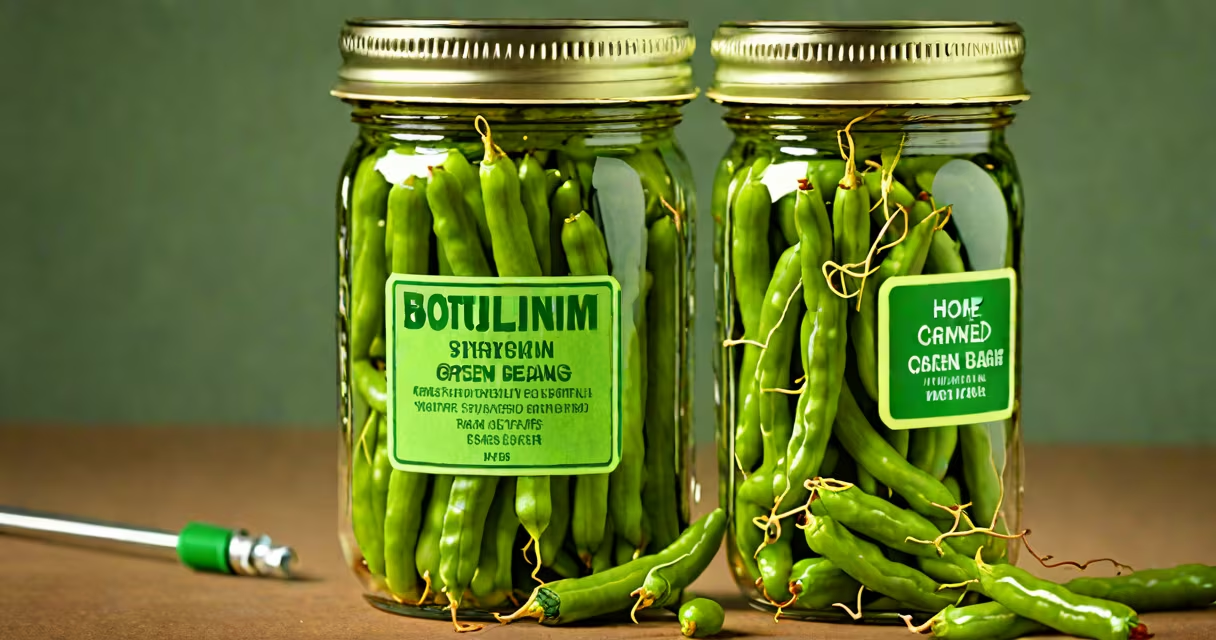
Botulinum food poisoning is a severe form of foodborne illness caused by ingesting preformed neurotoxins produced by the bacterium Clostridium botulinum. These toxins attack the nervous system, leading to paralysis and potentially death if untreated.
The condition arises when people consume foods contaminated with the toxin, typically in low-acid, improperly canned, or vacuum-packed items. Unlike most foodborne illnesses that result from live bacteria multiplying in the gut, botulinum food poisoning involves ingestion of a potent toxin already present in the food.
According to the Centers for Disease Control and Prevention (CDC), fewer than 100 cases are reported annually in the United States, but the mortality rate remains high-up to 5% even with treatment. The toxin acts rapidly, with symptoms appearing between 6 hours and 36 hours after consumption.
Clostridium botulinum thrives in oxygen-free environments such as sealed jars, vacuum-sealed pouches, or improperly processed canned goods. When conditions are warm and low in acidity, the bacteria grow and secrete botulinum toxin, which is heat-stable and not destroyed by normal cooking temperatures.
Once ingested, the toxin binds to nerve endings at neuromuscular junctions, blocking the release of acetylcholine-a neurotransmitter essential for muscle contraction. Without this signal, muscles cannot activate, leading to flaccid paralysis. Symptoms progress from cranial nerves (double vision, drooping eyelids, slurred speech) to limb weakness and eventually respiratory failure.
A 2018 CDC report documented a case in which a man developed symptoms within 12 hours of eating home-canned green beans. He required mechanical ventilation for 14 days and full recovery took over six months. This illustrates the rapid onset and prolonged recovery typical of the disease.
There are seven known serotypes of botulinum toxin (A through G), but only types A, B, E, and F cause human illness. Type A is the most common in foodborne cases and the most potent-just 1 nanogram per kilogram of body weight can be lethal.
Type E is particularly associated with fish and seafood products, especially those stored at room temperature. A 2020 study published in Emerging Infectious Diseases found that 42% of confirmed foodborne botulism cases in Alaska involved wild-caught salmon consumed raw or undercooked.
| Toxin Type | Common Source | Onset Time | Severity |
|---|---|---|---|
| A | Home-canned vegetables, meats | 12-36 hours | High |
| B | Meat, poultry, dairy | 18-36 hours | High |
| E | Fish, shellfish, fermented foods | 6-36 hours | High |
| F | Unknown sources, rare | 12-48 hours | Moderate |
The toxin itself is not detectable by sight, smell, or taste. There is no warning sign in contaminated food. The CDC emphasizes that "if a can is bulging, leaking, or damaged, do not eat the contents-even if it appears normal."
Botulinum toxin is not used in food production. Instead, it is intentionally manufactured in clinical settings for medical and cosmetic applications. Types A and B are approved by the U.S. Food and Drug Administration (FDA) for treating muscle spasms, migraines, and wrinkles.
Medical-grade botulinum toxin is purified, diluted, and administered in microgram doses-far below the lethal threshold. In contrast, foodborne botulism results from uncontrolled bacterial growth and toxin formation in food environments lacking proper acidification or heat processing.
Home canning is the most frequent source of outbreaks. The USDA warns that boiling home-canned foods for 10 minutes before eating does not neutralize the toxin. Only pressure canning at 240°F (116°C) for the correct time duration ensures safety.
Botulinum food poisoning is often mistaken for other neurological disorders due to overlapping symptoms. Early signs-such as blurred vision, dry mouth, and difficulty swallowing-are similar to stroke, Guillain-Barré syndrome, or myasthenia gravis.
A key differentiator is the absence of fever, diarrhea, or abdominal pain-common in other foodborne illnesses. Botulinum food poisoning presents with symmetric descending paralysis, beginning with cranial nerves and progressing downward. This pattern is unique among foodborne diseases.
Another misconception is that spoilage indicates danger. While bad odor or visible mold may signal contamination in many pathogens, Clostridium botulinum produces no sensory cues. A 2017 outbreak in California traced to improperly canned mushrooms showed no visual or olfactory signs. All five affected individuals had normal-looking, sealed jars.
For context, a 2021 study in Journal of Food Protection found that 73% of consumers incorrectly believed they could detect botulism by smell. This misjudgment contributes to delayed diagnosis and higher fatality rates.
I once observed a public health team inspect a rural kitchen during a botulism investigation. The family had stored homemade tomato sauce in mason jars left on a shelf for two years. The jars were unopened, sealed, and appeared intact. When opened, the contents emitted no odor, showed no discoloration, and looked normal. A lab test later confirmed type A toxin presence. The family had no idea the food was dangerous until symptoms emerged.
Botulinum food poisoning is not contagious. It cannot spread from person to person. The risk comes solely from consuming contaminated food.
Infant botulism, a related but distinct condition, occurs when infants ingest spores that germinate in their intestines. It is not foodborne in the same way-spores are found in soil, honey, and dust. The CDC advises against giving honey to children under 12 months old.
Unlike most foodborne illnesses, botulinum food poisoning does not involve gastrointestinal symptoms. Patients may feel weak or dizzy but rarely vomit or have diarrhea. This absence of GI distress is a red flag for clinicians.
Early treatment with antitoxin is critical. The FDA-approved antitoxin (Botox Antitoxin) must be administered within 24 hours of symptom onset to prevent progression. Delayed treatment increases the risk of needing ventilator support.
Botulinum food poisoning is rare but deadly. Prevention lies in proper food handling-especially for home-canned goods. Always follow USDA guidelines for pressure canning. When in doubt, throw it out.
Understanding this condition helps avoid fatal errors. The toxin is invisible, odorless, and relentless. But it is preventable.