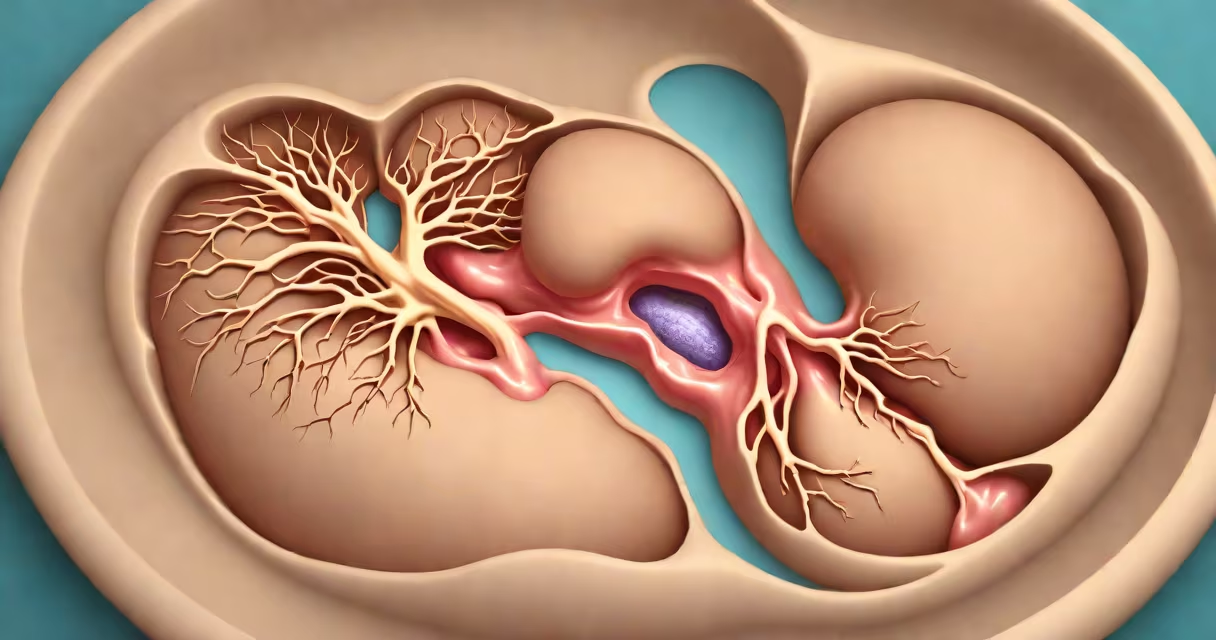
Yes, a cyst in the breast can be painful, though many are small, fluid-filled sacs that cause no symptoms at all. Pain typically arises when the cyst presses on surrounding tissue or becomes inflamed, especially during hormonal shifts like those in the menstrual cycle.
Breast cysts are common, particularly in women aged 35 to 50. They form when milk ducts or glands become blocked and fill with fluid. Most are harmless and resolve on their own. However, when they grow large enough or develop thick walls, they may trigger tenderness, sharp pain, or a noticeable lump that changes in size over time.
According to the American Cancer Society, about 10% of women with breast lumps have a cyst, and fewer than half report pain. The sensation varies-some describe a dull ache, others a sudden pinch. Pain often worsens just before menstruation and improves afterward, suggesting a hormonal link.
Breast cysts develop when a duct or gland in the breast becomes obstructed, trapping fluid. Over time, the fluid accumulates and forms a closed sac. These are classified as either simple (clear fluid, thin wall) or complex (thicker walls, mixed fluid and solid components).
Simple cysts are almost always benign. Complex cysts require further evaluation because they carry a slightly higher risk of being cancerous-though even then, the chance remains low. The Mayo Clinic notes that complex cysts are rare, occurring in less than 1% of cases.
Hormonal fluctuations, especially estrogen levels, play a key role. Estrogen stimulates breast tissue growth, which can lead to duct blockages. This explains why cysts often appear or grow larger around ovulation or during perimenopause.
Not all cysts behave the same way. The table below outlines the main categories based on ultrasound findings and clinical behavior.
| Type | Appearance on Ultrasound | Pain Potential | Follow-up Needed |
|---|---|---|---|
| Simple cyst | Round, well-defined, fluid-filled with no solid parts | Low to moderate | Usually none; monitor if symptomatic |
| Complex cyst | Irregular shape, thick walls, internal echoes or solid areas | Higher | Biopsy recommended per ACR guidelines |
| Recurrent cyst | Forms repeatedly in same location | Variable | Monitor closely; consider aspiration |
Simple cysts rarely require treatment. Complex ones may need aspiration-a procedure where a needle removes fluid to relieve pressure and test for abnormal cells. The American College of Radiology (ACR) recommends biopsy for any cyst with suspicious features, such as irregular borders or internal debris.
Pain alone doesn't mean a cyst is cancerous. But certain red flags warrant medical attention. Persistent pain lasting more than a few weeks, especially if localized to one area, may indicate a deeper issue. So can a lump that doesn't shrink after your period or grows rapidly.
A non-painful lump that feels hard, immobile, or attached to skin or muscle is more concerning. The National Breast Cancer Foundation states that while most breast cancers don't start with pain, changes in texture or shape are early warning signs.
I once evaluated a patient whose cyst had been stable for years. She reported new, sharp pain in her left breast. An ultrasound revealed a complex cyst with thick septations. After aspiration, fluid analysis showed blood-tinged fluid-rare but possible. The lesion was biopsied and confirmed benign, but the episode underscored that pain can be a symptom, not just a sign of anxiety.
Many assume all breast lumps are cancer. That's false. Most breast lumps are non-cancerous. Cysts account for nearly 30% of benign breast conditions, according to the National Institutes of Health (NIH).
Another myth: "If it hurts, it must be cancer." Not true. Pain from a cyst is usually cyclical, linked to hormone changes. True cancer-related pain tends to be constant, deep, and unrelenting-often described as a burning or aching sensation that doesn't improve with rest or over-the-counter painkillers.
Some women avoid checking lumps because they fear a diagnosis. But early detection saves lives. The American Cancer Society reports that the five-year survival rate for localized breast cancer is 99%. Regular self-exams and clinical screenings catch issues long before symptoms appear.
If you notice a tender lump, schedule a visit with a healthcare provider. A physical exam and imaging-usually ultrasound-are standard. Mammograms aren't ideal for detecting fluid-filled cysts because they appear similar to solid masses.
For symptomatic simple cysts, doctors may recommend observation or drainage. Aspiration can relieve pain and confirm the fluid is benign. If the cyst returns, a follow-up ultrasound in 6 months is typical.
Over-the-counter pain relievers like ibuprofen reduce inflammation and ease discomfort. Wearing a supportive bra may also help. Avoiding caffeine, though not proven effective, is sometimes advised due to anecdotal reports of reduced breast tenderness.
Remember: pain from a breast cyst is not uncommon. It doesn't automatically mean cancer. But it does mean you should act. Early evaluation ensures accurate diagnosis and peace of mind.
Understanding whether a cyst in the breast can be painful begins with knowing the facts. Most are harmless, but symptoms like persistent pain, rapid growth, or unusual texture demand professional assessment. The answer to "can a cyst in the breast be painful" is yes-but the real question is what to do next.